
Andere Kunden interessierten sich auch für
 Get Better at Anything14,99 €
 Disaster Anarchy35,99 €
 Hygge Home: The Danish Art of Cozy Living22,22 €
 Not the End of the World8,99 €
 Mikrotopia19,80 €
 The Feminist Art of Walking13,99 €
 The Boy Who Harnessed the Wind8,99 €





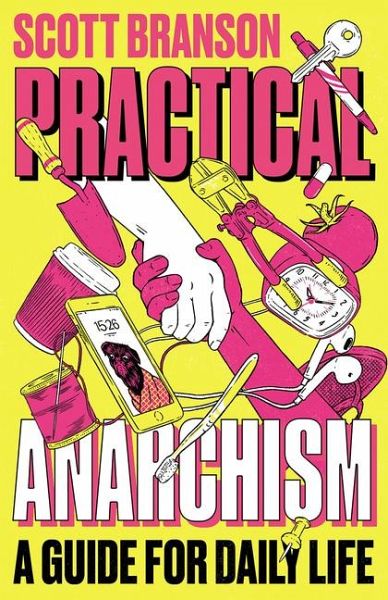
You may not realise it, but you are probably already practicing anarchism in your daily life. From relationships to school, work, art, even the way you organise your time, anarchism can help you find fulfilment, empathy and liberation in the everyday.From the small questions such as 'Why should I steal?' to the big ones like 'how do I love?', Scott Branson shows that anarchism isnt only something we do when we react to the news, protest or even riot. With practical examples enriched by history and theory, these tips will empower you to break free from the consumerist trappings of our world.Anarchism is not just for white men, but for everyone. In reading this book, you can detach from patriarchal masculinity, norms of family, gender, sexuality, racialisation, individual responsibility and the destruction of our planet, and replace them with ideas of sustainable living, with ties of mutual aid, and the horizon of collective liberation.