27,99 €
inkl. MwSt.
Versandkostenfrei*Erscheint vorauss. 19. Februar 2026
Melden Sie sich
hier
hier
für den Produktalarm an, um über die Verfügbarkeit des Produkts informiert zu werden.

14 °P sammeln
Andere Kunden interessierten sich auch für
 Language and the Politics of Emotion43,99 €
 The Syntax and Pragmatics of Anaphora64,99 €
 Unpacking Metaphor-related Prepositions in Political Discourse31,99 €
 Literacy, Emotion and Authority43,99 €
 The Power of Language9,99 €
 Truth-Conditional Pragmatics55,99 €
 Semantics Versus Pragmatics67,99 €

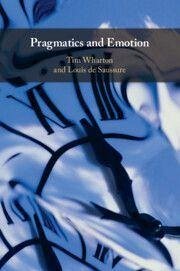
It has long been received wisdom in semantics and pragmatics that 'the head' and 'the heart' are two opposing forces, a view that has led scholars, until now, to explore the mental processes behind cognition, and the mental processes behind emotion, as two separate entities. This bold, innovative book challenges this view, and provides an original study of how we communicate our emotions through language, drawing on both pragmatic theory and affective science. It begins with the assumption that emotional or expressive meaning plays such a central role in human interaction that any pragmatic theory worth its salt must account for it. It meets the associated challenges head-on and strives to integrate affect within one theory of utterance interpretation, showing that emotional meaning and rationality/reasoning can be analysed within one framework. Written in a clear and concise style, it is essential reading for anyone interested in communication and emotion.