David M. Stark
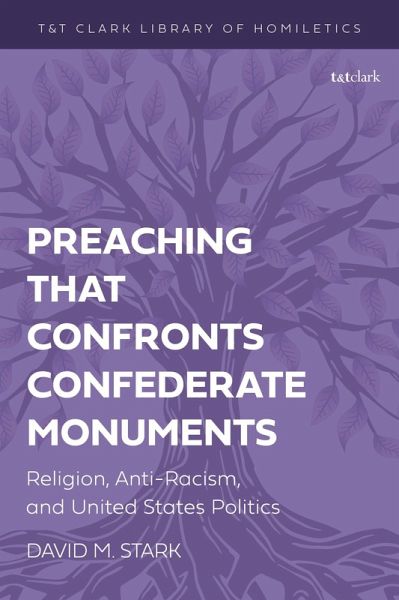
Preaching that Confronts Confederate Monuments
Religion, Anti-Racism, and United States Politics
David M. Stark
Preaching that Confronts Confederate Monuments
Religion, Anti-Racism, and United States Politics
- Gebundenes Buch
- Merkliste
- Auf die Merkliste
- Bewerten Bewerten
- Teilen
- Produkt teilen
- Produkterinnerung
- Produkterinnerung
Draws on Confederate monuments as a preaching presence and site of contested speech to suggest localized strategies for transformative anti-racist preaching.
Andere Kunden interessierten sich auch für
Biblical Realism Confronts the Nation20,99 €
Biblical Realism Confronts the Nation36,99 €
Monuments and Identities in the Caucasus204,99 €
Ira Maurice PriceThe Monuments and the Old Testament36,99 €
William C TaylorIllustrations Of The Bible From The Monuments Of Egypt30,99 €
John FoxeFox's Book of Martyrs; Or, the Acts and Monuments of the Christian Church40,99 €
Ralph D. CurtinMonuments24,99 €-
-
-
Draws on Confederate monuments as a preaching presence and site of contested speech to suggest localized strategies for transformative anti-racist preaching.
Produktdetails
- Produktdetails
- Verlag: T&T Clark
- Seitenzahl: 198
- Erscheinungstermin: 27. November 2025
- Englisch
- Abmessung: 240mm x 161mm x 15mm
- Gewicht: 467g
- ISBN-13: 9780567719812
- ISBN-10: 0567719812
- Artikelnr.: 72174572
- Herstellerkennzeichnung
- Libri GmbH
- Europaallee 1
- 36244 Bad Hersfeld
- gpsr@libri.de
- Verlag: T&T Clark
- Seitenzahl: 198
- Erscheinungstermin: 27. November 2025
- Englisch
- Abmessung: 240mm x 161mm x 15mm
- Gewicht: 467g
- ISBN-13: 9780567719812
- ISBN-10: 0567719812
- Artikelnr.: 72174572
- Herstellerkennzeichnung
- Libri GmbH
- Europaallee 1
- 36244 Bad Hersfeld
- gpsr@libri.de
David M. Stark is Assistant Professor of Homiletics and Co-director of the Truth, Racial Healing, and Transformation Center at the University of the South, US.
Acknowledgements
Abbreviations
1. Introduction
a. Confederate Monuments and the Church
b. Confederate Monuments within U.S. monumental culture
c. Preaching and Monuments
d. Preaching Monuments
2. Moving Mountains: De-centering the Presence and Preaching of Confederate
Monuments
a. A Theological and Homiletical Reading of the Presence and Preaching of
Confederate Monuments
b. Preaching that De-centers the Presence and Preaching of Confederate
Monuments
c. Moving Mountains: Preaching as Collaboration with Monument Removal,
Relocation, and Recontextualization
3. When the Stones Cry Out Perversely: Preaching that Confronts the
Proclamation of Monuments to the Lost Cause
a. Orality, Monuments, and Meaning-Making
b. Rhetorical Analysis of Confederate Memorial Dedication Speeches and
Resistance Speech
c. Preaching to Confront Monuments to the Lost Cause
4. When the Stones Cry Out Perversely: Preaching that Confronts the
Proclamation of Monuments to the Lost Cause, Case Study 1: Chapel Hill,
North Carolina
a. Julian Carr's Speech at the Dedication of Silent Sam, 1913
b. Contemporary Proclamation that Confronts Julian Carr's Silent Sam Speech
c. Preaching to Confront Monuments to the Lost Cause
5. When the Stones Cry Out Perversely: Preaching that Confronts the
Proclamation of Monuments to the Lost Cause, Case Study 2: Richmond,
Virginia
a. Archer Anderson's Speech at the dedication of the Monument to General
Robert E. Lee, 1890
b. Contemporary Proclamation that Confronts Archer Anderson's Dedication
Speech
c. Preaching to Confront Monuments to the Lost Cause
d. Homiletical Reflection: Preaching as Confrontation and Change Agent
6. Standing up to Nebuchadnezzar's Statues: What Naming Commissions Can
Teach Preachers about Confronting White Supremacy
a. A brief history of Naming Commissions in the U.S.
b. Naming Commissions as Institutional Equivocation
c. Naming Commissions as a Way to Mark Institutional Change
d. Standing Up: Preaching toward Transformation
7. Preaching Stones, Living Monuments: A Conclusion
a. (Re)membering Space: Sewanee's Black Heritage Trail
b. Bringing Monuments Home: A Pilgrimage to the Memorial for Peace and
Justice
c. (Re)Moving Mountains: Sermons Etched on Hand and Heart
Bibliography
Index
Abbreviations
1. Introduction
a. Confederate Monuments and the Church
b. Confederate Monuments within U.S. monumental culture
c. Preaching and Monuments
d. Preaching Monuments
2. Moving Mountains: De-centering the Presence and Preaching of Confederate
Monuments
a. A Theological and Homiletical Reading of the Presence and Preaching of
Confederate Monuments
b. Preaching that De-centers the Presence and Preaching of Confederate
Monuments
c. Moving Mountains: Preaching as Collaboration with Monument Removal,
Relocation, and Recontextualization
3. When the Stones Cry Out Perversely: Preaching that Confronts the
Proclamation of Monuments to the Lost Cause
a. Orality, Monuments, and Meaning-Making
b. Rhetorical Analysis of Confederate Memorial Dedication Speeches and
Resistance Speech
c. Preaching to Confront Monuments to the Lost Cause
4. When the Stones Cry Out Perversely: Preaching that Confronts the
Proclamation of Monuments to the Lost Cause, Case Study 1: Chapel Hill,
North Carolina
a. Julian Carr's Speech at the Dedication of Silent Sam, 1913
b. Contemporary Proclamation that Confronts Julian Carr's Silent Sam Speech
c. Preaching to Confront Monuments to the Lost Cause
5. When the Stones Cry Out Perversely: Preaching that Confronts the
Proclamation of Monuments to the Lost Cause, Case Study 2: Richmond,
Virginia
a. Archer Anderson's Speech at the dedication of the Monument to General
Robert E. Lee, 1890
b. Contemporary Proclamation that Confronts Archer Anderson's Dedication
Speech
c. Preaching to Confront Monuments to the Lost Cause
d. Homiletical Reflection: Preaching as Confrontation and Change Agent
6. Standing up to Nebuchadnezzar's Statues: What Naming Commissions Can
Teach Preachers about Confronting White Supremacy
a. A brief history of Naming Commissions in the U.S.
b. Naming Commissions as Institutional Equivocation
c. Naming Commissions as a Way to Mark Institutional Change
d. Standing Up: Preaching toward Transformation
7. Preaching Stones, Living Monuments: A Conclusion
a. (Re)membering Space: Sewanee's Black Heritage Trail
b. Bringing Monuments Home: A Pilgrimage to the Memorial for Peace and
Justice
c. (Re)Moving Mountains: Sermons Etched on Hand and Heart
Bibliography
Index
Acknowledgements
Abbreviations
1. Introduction
a. Confederate Monuments and the Church
b. Confederate Monuments within U.S. monumental culture
c. Preaching and Monuments
d. Preaching Monuments
2. Moving Mountains: De-centering the Presence and Preaching of Confederate
Monuments
a. A Theological and Homiletical Reading of the Presence and Preaching of
Confederate Monuments
b. Preaching that De-centers the Presence and Preaching of Confederate
Monuments
c. Moving Mountains: Preaching as Collaboration with Monument Removal,
Relocation, and Recontextualization
3. When the Stones Cry Out Perversely: Preaching that Confronts the
Proclamation of Monuments to the Lost Cause
a. Orality, Monuments, and Meaning-Making
b. Rhetorical Analysis of Confederate Memorial Dedication Speeches and
Resistance Speech
c. Preaching to Confront Monuments to the Lost Cause
4. When the Stones Cry Out Perversely: Preaching that Confronts the
Proclamation of Monuments to the Lost Cause, Case Study 1: Chapel Hill,
North Carolina
a. Julian Carr's Speech at the Dedication of Silent Sam, 1913
b. Contemporary Proclamation that Confronts Julian Carr's Silent Sam Speech
c. Preaching to Confront Monuments to the Lost Cause
5. When the Stones Cry Out Perversely: Preaching that Confronts the
Proclamation of Monuments to the Lost Cause, Case Study 2: Richmond,
Virginia
a. Archer Anderson's Speech at the dedication of the Monument to General
Robert E. Lee, 1890
b. Contemporary Proclamation that Confronts Archer Anderson's Dedication
Speech
c. Preaching to Confront Monuments to the Lost Cause
d. Homiletical Reflection: Preaching as Confrontation and Change Agent
6. Standing up to Nebuchadnezzar's Statues: What Naming Commissions Can
Teach Preachers about Confronting White Supremacy
a. A brief history of Naming Commissions in the U.S.
b. Naming Commissions as Institutional Equivocation
c. Naming Commissions as a Way to Mark Institutional Change
d. Standing Up: Preaching toward Transformation
7. Preaching Stones, Living Monuments: A Conclusion
a. (Re)membering Space: Sewanee's Black Heritage Trail
b. Bringing Monuments Home: A Pilgrimage to the Memorial for Peace and
Justice
c. (Re)Moving Mountains: Sermons Etched on Hand and Heart
Bibliography
Index
Abbreviations
1. Introduction
a. Confederate Monuments and the Church
b. Confederate Monuments within U.S. monumental culture
c. Preaching and Monuments
d. Preaching Monuments
2. Moving Mountains: De-centering the Presence and Preaching of Confederate
Monuments
a. A Theological and Homiletical Reading of the Presence and Preaching of
Confederate Monuments
b. Preaching that De-centers the Presence and Preaching of Confederate
Monuments
c. Moving Mountains: Preaching as Collaboration with Monument Removal,
Relocation, and Recontextualization
3. When the Stones Cry Out Perversely: Preaching that Confronts the
Proclamation of Monuments to the Lost Cause
a. Orality, Monuments, and Meaning-Making
b. Rhetorical Analysis of Confederate Memorial Dedication Speeches and
Resistance Speech
c. Preaching to Confront Monuments to the Lost Cause
4. When the Stones Cry Out Perversely: Preaching that Confronts the
Proclamation of Monuments to the Lost Cause, Case Study 1: Chapel Hill,
North Carolina
a. Julian Carr's Speech at the Dedication of Silent Sam, 1913
b. Contemporary Proclamation that Confronts Julian Carr's Silent Sam Speech
c. Preaching to Confront Monuments to the Lost Cause
5. When the Stones Cry Out Perversely: Preaching that Confronts the
Proclamation of Monuments to the Lost Cause, Case Study 2: Richmond,
Virginia
a. Archer Anderson's Speech at the dedication of the Monument to General
Robert E. Lee, 1890
b. Contemporary Proclamation that Confronts Archer Anderson's Dedication
Speech
c. Preaching to Confront Monuments to the Lost Cause
d. Homiletical Reflection: Preaching as Confrontation and Change Agent
6. Standing up to Nebuchadnezzar's Statues: What Naming Commissions Can
Teach Preachers about Confronting White Supremacy
a. A brief history of Naming Commissions in the U.S.
b. Naming Commissions as Institutional Equivocation
c. Naming Commissions as a Way to Mark Institutional Change
d. Standing Up: Preaching toward Transformation
7. Preaching Stones, Living Monuments: A Conclusion
a. (Re)membering Space: Sewanee's Black Heritage Trail
b. Bringing Monuments Home: A Pilgrimage to the Memorial for Peace and
Justice
c. (Re)Moving Mountains: Sermons Etched on Hand and Heart
Bibliography
Index