
Jahangir Moini
Principles of Pharmacology
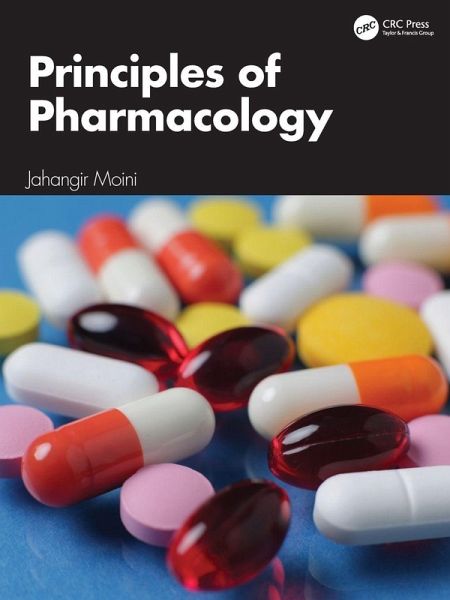
Jahangir Moini
Principles of Pharmacology
- Broschiertes Buch
- Merkliste
- Auf die Merkliste
- Bewerten Bewerten
- Teilen
- Produkt teilen
- Produkterinnerung
- Produkterinnerung
Benefits health providers without in-depth training in pharmacology, such as Pharmacy technicians, medical assistants, dental students, medical students, nurse practitioners, physician assistants, surgical technicians, and physical therapists
Benefits health providers without in-depth training in pharmacology, such as Pharmacy technicians, medical assistants, dental students, medical students, nurse practitioners, physician assistants, surgical technicians, and physical therapists
Produktdetails
- Produktdetails
- Verlag: CRC Press
- Seitenzahl: 352
- Erscheinungstermin: 23. Dezember 2025
- Englisch
- Abmessung: 280mm x 210mm x 19mm
- Gewicht: 862g
- ISBN-13: 9781032609478
- ISBN-10: 1032609478
- Artikelnr.: 75618369
- Herstellerkennzeichnung
- Libri GmbH
- Europaallee 1
- 36244 Bad Hersfeld
- gpsr@libri.de
- Verlag: CRC Press
- Seitenzahl: 352
- Erscheinungstermin: 23. Dezember 2025
- Englisch
- Abmessung: 280mm x 210mm x 19mm
- Gewicht: 862g
- ISBN-13: 9781032609478
- ISBN-10: 1032609478
- Artikelnr.: 75618369
- Herstellerkennzeichnung
- Libri GmbH
- Europaallee 1
- 36244 Bad Hersfeld
- gpsr@libri.de
Dr. Moini was an assistant professor in the Department of Preventive Medicine at Tehran University Medical School for nine years. For 18 years, he was the Director of Epidemiology for the Brevard County Health Department. For 15 years, he was the Director of Science and Health for Everest University in Melbourne, FL. He was also a Professor of Science and Health at Everest University for 24 years. He was a Professor of Science and Health at Eastern Florida State College for six years but is now retired. He is an international author of 62 books. His Anatomy and Physiology for Healthcare Professionals was translated and released in Japan and South Korea in 2020. His Complications of Diabetes Mellitus was translated into Spanish and released in 2023.
preface
About the author
Unit I: Fundamentals of Pharmacology
Chapter 1: Drug Classifications, Drug Names, and Drug Sources
Chapter 2: Drug Development, Drug Approval and Drug Regulation
Chapter 3: Pharmacokinetics
Chapter 4: Pharmacodynamics
Chapter 5: Pharmacogenomics and Drug Toxicity
Chapter 6: Drug Interactions and Adverse Drug Effects
Chapter 7: Dietary Nutrition & Herbal Remedies
Chapter 8: Medication Errors
Unit II: Drugs Affecting the Nervous System
Chapter 9: Drugs Affecting the Central Nervous System
Chapter 10: Drugs Affecting the Autonomic Nervous System
Chapter 11: Psychotherapeutic Agents
Chapter 12: Local and General Anesthetics
Chapter 13: Substance Abuse
Unit III: Drugs Affecting the Cardiovascular System
Chapter 14: Drugs Affecting the Heart
Chapter 15: Drugs Affecting Hyperlipidemia
Chapter 16: Drugs Affecting Hypertension
Chapter 17: Drugs Affecting Arrhythmia
Chapter 18: Drugs Affecting Coagulation Disorders
Chapter 19: Anti-anemic Drugs
Unit IV: Drugs Affecting Metabolic and Endocrine Function
Chapter 20: Drugs Affecting the Endocrine System
Chapter 21: Antidiabetic Drugs
Unit V: Drugs Affecting Body Systems
Chapter 22: Drugs Affecting the Respiratory System
Chapter 23: Drugs Affecting the Urinary System
Chapter 24: Drugs Affecting the Digestive System
Chapter 25: Drugs Affecting the Skeletal System
Chapter 26: Muscle Relaxants
Unit VI: Drugs for Pain Management and Inflammation
Chapter 27: Acetaminophen and NSAIDs
Chapter 28: Opioid Analgesics
Unit VII: Drugs for Special Conditions
Chapter 29: Antineoplastic Drugs
Chapter 30: Vitamins and Minerals
Unit VIII: Anti-infective Agents
Chapter 31: Antibacterial Agents
Chapter 32: Antiviral Agents
Chapter 33: Antifungal Agents
Chapter 34: Antiprotozoal Agents
Chapter 35: Antituberculosis Agents
Chapter 36: Immunizations
Unit IX: Emergency Pharmacology
Chapter 37: Poisons and Antidotes
Appendices
Appendix A
Appendix B
Appendix C: Answer Keys to Clinical Case Studies
About the author
Unit I: Fundamentals of Pharmacology
Chapter 1: Drug Classifications, Drug Names, and Drug Sources
Chapter 2: Drug Development, Drug Approval and Drug Regulation
Chapter 3: Pharmacokinetics
Chapter 4: Pharmacodynamics
Chapter 5: Pharmacogenomics and Drug Toxicity
Chapter 6: Drug Interactions and Adverse Drug Effects
Chapter 7: Dietary Nutrition & Herbal Remedies
Chapter 8: Medication Errors
Unit II: Drugs Affecting the Nervous System
Chapter 9: Drugs Affecting the Central Nervous System
Chapter 10: Drugs Affecting the Autonomic Nervous System
Chapter 11: Psychotherapeutic Agents
Chapter 12: Local and General Anesthetics
Chapter 13: Substance Abuse
Unit III: Drugs Affecting the Cardiovascular System
Chapter 14: Drugs Affecting the Heart
Chapter 15: Drugs Affecting Hyperlipidemia
Chapter 16: Drugs Affecting Hypertension
Chapter 17: Drugs Affecting Arrhythmia
Chapter 18: Drugs Affecting Coagulation Disorders
Chapter 19: Anti-anemic Drugs
Unit IV: Drugs Affecting Metabolic and Endocrine Function
Chapter 20: Drugs Affecting the Endocrine System
Chapter 21: Antidiabetic Drugs
Unit V: Drugs Affecting Body Systems
Chapter 22: Drugs Affecting the Respiratory System
Chapter 23: Drugs Affecting the Urinary System
Chapter 24: Drugs Affecting the Digestive System
Chapter 25: Drugs Affecting the Skeletal System
Chapter 26: Muscle Relaxants
Unit VI: Drugs for Pain Management and Inflammation
Chapter 27: Acetaminophen and NSAIDs
Chapter 28: Opioid Analgesics
Unit VII: Drugs for Special Conditions
Chapter 29: Antineoplastic Drugs
Chapter 30: Vitamins and Minerals
Unit VIII: Anti-infective Agents
Chapter 31: Antibacterial Agents
Chapter 32: Antiviral Agents
Chapter 33: Antifungal Agents
Chapter 34: Antiprotozoal Agents
Chapter 35: Antituberculosis Agents
Chapter 36: Immunizations
Unit IX: Emergency Pharmacology
Chapter 37: Poisons and Antidotes
Appendices
Appendix A
Appendix B
Appendix C: Answer Keys to Clinical Case Studies
preface
About the author
Unit I: Fundamentals of Pharmacology
Chapter 1: Drug Classifications, Drug Names, and Drug Sources
Chapter 2: Drug Development, Drug Approval and Drug Regulation
Chapter 3: Pharmacokinetics
Chapter 4: Pharmacodynamics
Chapter 5: Pharmacogenomics and Drug Toxicity
Chapter 6: Drug Interactions and Adverse Drug Effects
Chapter 7: Dietary Nutrition & Herbal Remedies
Chapter 8: Medication Errors
Unit II: Drugs Affecting the Nervous System
Chapter 9: Drugs Affecting the Central Nervous System
Chapter 10: Drugs Affecting the Autonomic Nervous System
Chapter 11: Psychotherapeutic Agents
Chapter 12: Local and General Anesthetics
Chapter 13: Substance Abuse
Unit III: Drugs Affecting the Cardiovascular System
Chapter 14: Drugs Affecting the Heart
Chapter 15: Drugs Affecting Hyperlipidemia
Chapter 16: Drugs Affecting Hypertension
Chapter 17: Drugs Affecting Arrhythmia
Chapter 18: Drugs Affecting Coagulation Disorders
Chapter 19: Anti-anemic Drugs
Unit IV: Drugs Affecting Metabolic and Endocrine Function
Chapter 20: Drugs Affecting the Endocrine System
Chapter 21: Antidiabetic Drugs
Unit V: Drugs Affecting Body Systems
Chapter 22: Drugs Affecting the Respiratory System
Chapter 23: Drugs Affecting the Urinary System
Chapter 24: Drugs Affecting the Digestive System
Chapter 25: Drugs Affecting the Skeletal System
Chapter 26: Muscle Relaxants
Unit VI: Drugs for Pain Management and Inflammation
Chapter 27: Acetaminophen and NSAIDs
Chapter 28: Opioid Analgesics
Unit VII: Drugs for Special Conditions
Chapter 29: Antineoplastic Drugs
Chapter 30: Vitamins and Minerals
Unit VIII: Anti-infective Agents
Chapter 31: Antibacterial Agents
Chapter 32: Antiviral Agents
Chapter 33: Antifungal Agents
Chapter 34: Antiprotozoal Agents
Chapter 35: Antituberculosis Agents
Chapter 36: Immunizations
Unit IX: Emergency Pharmacology
Chapter 37: Poisons and Antidotes
Appendices
Appendix A
Appendix B
Appendix C: Answer Keys to Clinical Case Studies
About the author
Unit I: Fundamentals of Pharmacology
Chapter 1: Drug Classifications, Drug Names, and Drug Sources
Chapter 2: Drug Development, Drug Approval and Drug Regulation
Chapter 3: Pharmacokinetics
Chapter 4: Pharmacodynamics
Chapter 5: Pharmacogenomics and Drug Toxicity
Chapter 6: Drug Interactions and Adverse Drug Effects
Chapter 7: Dietary Nutrition & Herbal Remedies
Chapter 8: Medication Errors
Unit II: Drugs Affecting the Nervous System
Chapter 9: Drugs Affecting the Central Nervous System
Chapter 10: Drugs Affecting the Autonomic Nervous System
Chapter 11: Psychotherapeutic Agents
Chapter 12: Local and General Anesthetics
Chapter 13: Substance Abuse
Unit III: Drugs Affecting the Cardiovascular System
Chapter 14: Drugs Affecting the Heart
Chapter 15: Drugs Affecting Hyperlipidemia
Chapter 16: Drugs Affecting Hypertension
Chapter 17: Drugs Affecting Arrhythmia
Chapter 18: Drugs Affecting Coagulation Disorders
Chapter 19: Anti-anemic Drugs
Unit IV: Drugs Affecting Metabolic and Endocrine Function
Chapter 20: Drugs Affecting the Endocrine System
Chapter 21: Antidiabetic Drugs
Unit V: Drugs Affecting Body Systems
Chapter 22: Drugs Affecting the Respiratory System
Chapter 23: Drugs Affecting the Urinary System
Chapter 24: Drugs Affecting the Digestive System
Chapter 25: Drugs Affecting the Skeletal System
Chapter 26: Muscle Relaxants
Unit VI: Drugs for Pain Management and Inflammation
Chapter 27: Acetaminophen and NSAIDs
Chapter 28: Opioid Analgesics
Unit VII: Drugs for Special Conditions
Chapter 29: Antineoplastic Drugs
Chapter 30: Vitamins and Minerals
Unit VIII: Anti-infective Agents
Chapter 31: Antibacterial Agents
Chapter 32: Antiviral Agents
Chapter 33: Antifungal Agents
Chapter 34: Antiprotozoal Agents
Chapter 35: Antituberculosis Agents
Chapter 36: Immunizations
Unit IX: Emergency Pharmacology
Chapter 37: Poisons and Antidotes
Appendices
Appendix A
Appendix B
Appendix C: Answer Keys to Clinical Case Studies