
Privacy and Power
Herausgeber: Miller, Russell A.
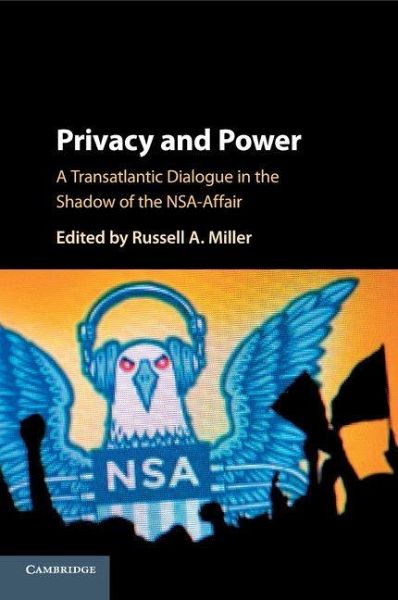
Privacy and Power
Herausgeber: Miller, Russell A.
- Broschiertes Buch
- Merkliste
- Auf die Merkliste
- Bewerten Bewerten
- Teilen
- Produkt teilen
- Produkterinnerung
- Produkterinnerung
This book documents and explains the differences in the ways Americans and Europeans approach the issues of privacy and intelligence gathering.
This book documents and explains the differences in the ways Americans and Europeans approach the issues of privacy and intelligence gathering.
Produktdetails
- Produktdetails
- Verlag: Cambridge University Press
- Seitenzahl: 812
- Erscheinungstermin: 22. Februar 2018
- Englisch
- Abmessung: 229mm x 152mm x 43mm
- Gewicht: 1152g
- ISBN-13: 9781316609101
- ISBN-10: 1316609103
- Artikelnr.: 51384354
- Herstellerkennzeichnung
- Libri GmbH
- Europaallee 1
- 36244 Bad Hersfeld
- gpsr@libri.de
- Verlag: Cambridge University Press
- Seitenzahl: 812
- Erscheinungstermin: 22. Februar 2018
- Englisch
- Abmessung: 229mm x 152mm x 43mm
- Gewicht: 1152g
- ISBN-13: 9781316609101
- ISBN-10: 1316609103
- Artikelnr.: 51384354
- Herstellerkennzeichnung
- Libri GmbH
- Europaallee 1
- 36244 Bad Hersfeld
- gpsr@libri.de
Introduction; Privacy and power: a transatlantic dialogue in the shadow of
the NSA-Affair Russell A. Miller; Part I. Privacy and Data-Protection for
the Digital Age: 1. Foucault's panopticon - a model for NSA surveillance?
Sarah Horowitz; 2. A rose by any other name? The comparative law of the
NSA-Affair Russell A. Miller; 3. Privacy as a public good Joshua Fairfield
and Christoph Engel; 4. The right to data protection: a no right thesis
Ralf Poscher; Part II. Framing the Transatlantic Debate: 5. Privacy,
Rechtsstaatlichkeit, and the legal limits on extraterritorial surveillance
Anne Peters; 6. Privacy, hypocrisy, and a defense of surveillance Benjamin
Wittes; Part III. Transatlantic Perspectives on the NSA-Affair; Section 1.
American Voices: 7. Sensing disturbances in the Force: unofficial
reflections on developments and challenges in the US-Germany security
relationship Ronald Lee; 8. Metadeath: how does metadata surveillance
inform lethal consequences? Margaret Hu; 9. 'We're in this together' -
reframing EU responses to criminal unauthorized disclosures of US
intelligence activities Andrew Borene; 10. Fourth Amendment rights for
nonresident aliens Alec Walen; 11. Forget about it? Harmonizing European
and American protections for privacy, free speech, and due process Dawn
Nunziato; Section 2. European Voices: 12. The challenge of limiting
intelligence agencies' mass surveillance regimes: why Western democracies
cannot give up on communication privacy Konstantin von Notz; 13. German
exceptionalism? The debate about the German foreign intelligence service
(BND) Stefan Heumann; 14. The NSU case - structural reform of intelligence
agencies' involvement in criminal investigations? Marc Engelhart; 15. Legal
restraints on the extraterritorial activities of Germany's intelligence
services Klaus Gärditz; 16. Assessing the CJEU's 'Google decision' - a
tentative first approach Johannes Masing; Part IV. Transnational Legal
Responses to Privacy and Intelligence Gathering; Section 1. International
Law: 17. Towards multilateral standards for foreign surveillance reform Ian
Brown, Morton H. Halperin, Ben Hayes, Ben Scott and Mathias Vermeulen; 18.
Espionage, security interests, and human rights in the second machine age:
NSA mass surveillance and the framework of public international law Silja
Voeneky; 19. The need for an institutionalized and transparent set of
domestic legal rules governing transnational intelligence sharing in
democratic societies Susana Sanchez Ferro; Section 2. European Law: 20.
Developments in European data protection law in the shadow of the
NSA-Affair Jens-Peter Scheider; 21. Why blanket surveillance is no security
blanket: data retention in the UK after the European Data Retention
Directive Lucia Zedner; 22. Do androids forget European sheep? - the CJEU's
concept of a 'right to be forgotten' and the German perspective Bernd
Holznagel and Sarah Hartmann; 23. Adequate transatlantic data exchange in
the shadow of the NSA-Affair Els De Busser; Part V. Transatlantic
Reflections on the Cultural Meaning of Privacy and Intelligence Gathering:
24. The intimacy of Stasi surveillance, the NSA-Affair, and contemporary
German cinema Laura Heins; 25. Hans Fallada, the Nazis, and the defense of
privacy Roger Crockett; 26. 'It runs its secret course in public' -
watching the mass ornament with Dr Mabuse Summer Renault-Steele; 27.
Secrecy, surveillance, spy fiction: myth-making and the misunderstanding of
trust in the transatlantic intelligence relationship Eva Jobs; 28.
CITIZENME: what Laura Poitras got wrong about the NSA-Affair Russell Miller
and Stephen Chovanec.
the NSA-Affair Russell A. Miller; Part I. Privacy and Data-Protection for
the Digital Age: 1. Foucault's panopticon - a model for NSA surveillance?
Sarah Horowitz; 2. A rose by any other name? The comparative law of the
NSA-Affair Russell A. Miller; 3. Privacy as a public good Joshua Fairfield
and Christoph Engel; 4. The right to data protection: a no right thesis
Ralf Poscher; Part II. Framing the Transatlantic Debate: 5. Privacy,
Rechtsstaatlichkeit, and the legal limits on extraterritorial surveillance
Anne Peters; 6. Privacy, hypocrisy, and a defense of surveillance Benjamin
Wittes; Part III. Transatlantic Perspectives on the NSA-Affair; Section 1.
American Voices: 7. Sensing disturbances in the Force: unofficial
reflections on developments and challenges in the US-Germany security
relationship Ronald Lee; 8. Metadeath: how does metadata surveillance
inform lethal consequences? Margaret Hu; 9. 'We're in this together' -
reframing EU responses to criminal unauthorized disclosures of US
intelligence activities Andrew Borene; 10. Fourth Amendment rights for
nonresident aliens Alec Walen; 11. Forget about it? Harmonizing European
and American protections for privacy, free speech, and due process Dawn
Nunziato; Section 2. European Voices: 12. The challenge of limiting
intelligence agencies' mass surveillance regimes: why Western democracies
cannot give up on communication privacy Konstantin von Notz; 13. German
exceptionalism? The debate about the German foreign intelligence service
(BND) Stefan Heumann; 14. The NSU case - structural reform of intelligence
agencies' involvement in criminal investigations? Marc Engelhart; 15. Legal
restraints on the extraterritorial activities of Germany's intelligence
services Klaus Gärditz; 16. Assessing the CJEU's 'Google decision' - a
tentative first approach Johannes Masing; Part IV. Transnational Legal
Responses to Privacy and Intelligence Gathering; Section 1. International
Law: 17. Towards multilateral standards for foreign surveillance reform Ian
Brown, Morton H. Halperin, Ben Hayes, Ben Scott and Mathias Vermeulen; 18.
Espionage, security interests, and human rights in the second machine age:
NSA mass surveillance and the framework of public international law Silja
Voeneky; 19. The need for an institutionalized and transparent set of
domestic legal rules governing transnational intelligence sharing in
democratic societies Susana Sanchez Ferro; Section 2. European Law: 20.
Developments in European data protection law in the shadow of the
NSA-Affair Jens-Peter Scheider; 21. Why blanket surveillance is no security
blanket: data retention in the UK after the European Data Retention
Directive Lucia Zedner; 22. Do androids forget European sheep? - the CJEU's
concept of a 'right to be forgotten' and the German perspective Bernd
Holznagel and Sarah Hartmann; 23. Adequate transatlantic data exchange in
the shadow of the NSA-Affair Els De Busser; Part V. Transatlantic
Reflections on the Cultural Meaning of Privacy and Intelligence Gathering:
24. The intimacy of Stasi surveillance, the NSA-Affair, and contemporary
German cinema Laura Heins; 25. Hans Fallada, the Nazis, and the defense of
privacy Roger Crockett; 26. 'It runs its secret course in public' -
watching the mass ornament with Dr Mabuse Summer Renault-Steele; 27.
Secrecy, surveillance, spy fiction: myth-making and the misunderstanding of
trust in the transatlantic intelligence relationship Eva Jobs; 28.
CITIZENME: what Laura Poitras got wrong about the NSA-Affair Russell Miller
and Stephen Chovanec.
Introduction; Privacy and power: a transatlantic dialogue in the shadow of
the NSA-Affair Russell A. Miller; Part I. Privacy and Data-Protection for
the Digital Age: 1. Foucault's panopticon - a model for NSA surveillance?
Sarah Horowitz; 2. A rose by any other name? The comparative law of the
NSA-Affair Russell A. Miller; 3. Privacy as a public good Joshua Fairfield
and Christoph Engel; 4. The right to data protection: a no right thesis
Ralf Poscher; Part II. Framing the Transatlantic Debate: 5. Privacy,
Rechtsstaatlichkeit, and the legal limits on extraterritorial surveillance
Anne Peters; 6. Privacy, hypocrisy, and a defense of surveillance Benjamin
Wittes; Part III. Transatlantic Perspectives on the NSA-Affair; Section 1.
American Voices: 7. Sensing disturbances in the Force: unofficial
reflections on developments and challenges in the US-Germany security
relationship Ronald Lee; 8. Metadeath: how does metadata surveillance
inform lethal consequences? Margaret Hu; 9. 'We're in this together' -
reframing EU responses to criminal unauthorized disclosures of US
intelligence activities Andrew Borene; 10. Fourth Amendment rights for
nonresident aliens Alec Walen; 11. Forget about it? Harmonizing European
and American protections for privacy, free speech, and due process Dawn
Nunziato; Section 2. European Voices: 12. The challenge of limiting
intelligence agencies' mass surveillance regimes: why Western democracies
cannot give up on communication privacy Konstantin von Notz; 13. German
exceptionalism? The debate about the German foreign intelligence service
(BND) Stefan Heumann; 14. The NSU case - structural reform of intelligence
agencies' involvement in criminal investigations? Marc Engelhart; 15. Legal
restraints on the extraterritorial activities of Germany's intelligence
services Klaus Gärditz; 16. Assessing the CJEU's 'Google decision' - a
tentative first approach Johannes Masing; Part IV. Transnational Legal
Responses to Privacy and Intelligence Gathering; Section 1. International
Law: 17. Towards multilateral standards for foreign surveillance reform Ian
Brown, Morton H. Halperin, Ben Hayes, Ben Scott and Mathias Vermeulen; 18.
Espionage, security interests, and human rights in the second machine age:
NSA mass surveillance and the framework of public international law Silja
Voeneky; 19. The need for an institutionalized and transparent set of
domestic legal rules governing transnational intelligence sharing in
democratic societies Susana Sanchez Ferro; Section 2. European Law: 20.
Developments in European data protection law in the shadow of the
NSA-Affair Jens-Peter Scheider; 21. Why blanket surveillance is no security
blanket: data retention in the UK after the European Data Retention
Directive Lucia Zedner; 22. Do androids forget European sheep? - the CJEU's
concept of a 'right to be forgotten' and the German perspective Bernd
Holznagel and Sarah Hartmann; 23. Adequate transatlantic data exchange in
the shadow of the NSA-Affair Els De Busser; Part V. Transatlantic
Reflections on the Cultural Meaning of Privacy and Intelligence Gathering:
24. The intimacy of Stasi surveillance, the NSA-Affair, and contemporary
German cinema Laura Heins; 25. Hans Fallada, the Nazis, and the defense of
privacy Roger Crockett; 26. 'It runs its secret course in public' -
watching the mass ornament with Dr Mabuse Summer Renault-Steele; 27.
Secrecy, surveillance, spy fiction: myth-making and the misunderstanding of
trust in the transatlantic intelligence relationship Eva Jobs; 28.
CITIZENME: what Laura Poitras got wrong about the NSA-Affair Russell Miller
and Stephen Chovanec.
the NSA-Affair Russell A. Miller; Part I. Privacy and Data-Protection for
the Digital Age: 1. Foucault's panopticon - a model for NSA surveillance?
Sarah Horowitz; 2. A rose by any other name? The comparative law of the
NSA-Affair Russell A. Miller; 3. Privacy as a public good Joshua Fairfield
and Christoph Engel; 4. The right to data protection: a no right thesis
Ralf Poscher; Part II. Framing the Transatlantic Debate: 5. Privacy,
Rechtsstaatlichkeit, and the legal limits on extraterritorial surveillance
Anne Peters; 6. Privacy, hypocrisy, and a defense of surveillance Benjamin
Wittes; Part III. Transatlantic Perspectives on the NSA-Affair; Section 1.
American Voices: 7. Sensing disturbances in the Force: unofficial
reflections on developments and challenges in the US-Germany security
relationship Ronald Lee; 8. Metadeath: how does metadata surveillance
inform lethal consequences? Margaret Hu; 9. 'We're in this together' -
reframing EU responses to criminal unauthorized disclosures of US
intelligence activities Andrew Borene; 10. Fourth Amendment rights for
nonresident aliens Alec Walen; 11. Forget about it? Harmonizing European
and American protections for privacy, free speech, and due process Dawn
Nunziato; Section 2. European Voices: 12. The challenge of limiting
intelligence agencies' mass surveillance regimes: why Western democracies
cannot give up on communication privacy Konstantin von Notz; 13. German
exceptionalism? The debate about the German foreign intelligence service
(BND) Stefan Heumann; 14. The NSU case - structural reform of intelligence
agencies' involvement in criminal investigations? Marc Engelhart; 15. Legal
restraints on the extraterritorial activities of Germany's intelligence
services Klaus Gärditz; 16. Assessing the CJEU's 'Google decision' - a
tentative first approach Johannes Masing; Part IV. Transnational Legal
Responses to Privacy and Intelligence Gathering; Section 1. International
Law: 17. Towards multilateral standards for foreign surveillance reform Ian
Brown, Morton H. Halperin, Ben Hayes, Ben Scott and Mathias Vermeulen; 18.
Espionage, security interests, and human rights in the second machine age:
NSA mass surveillance and the framework of public international law Silja
Voeneky; 19. The need for an institutionalized and transparent set of
domestic legal rules governing transnational intelligence sharing in
democratic societies Susana Sanchez Ferro; Section 2. European Law: 20.
Developments in European data protection law in the shadow of the
NSA-Affair Jens-Peter Scheider; 21. Why blanket surveillance is no security
blanket: data retention in the UK after the European Data Retention
Directive Lucia Zedner; 22. Do androids forget European sheep? - the CJEU's
concept of a 'right to be forgotten' and the German perspective Bernd
Holznagel and Sarah Hartmann; 23. Adequate transatlantic data exchange in
the shadow of the NSA-Affair Els De Busser; Part V. Transatlantic
Reflections on the Cultural Meaning of Privacy and Intelligence Gathering:
24. The intimacy of Stasi surveillance, the NSA-Affair, and contemporary
German cinema Laura Heins; 25. Hans Fallada, the Nazis, and the defense of
privacy Roger Crockett; 26. 'It runs its secret course in public' -
watching the mass ornament with Dr Mabuse Summer Renault-Steele; 27.
Secrecy, surveillance, spy fiction: myth-making and the misunderstanding of
trust in the transatlantic intelligence relationship Eva Jobs; 28.
CITIZENME: what Laura Poitras got wrong about the NSA-Affair Russell Miller
and Stephen Chovanec.