
Andere Kunden interessierten sich auch für
 Institutes of the Christian Religion58,99 €
 The Works of John Owen; Volume 138,99 €
 Systematic Theology27,99 €
") The Emergence of Pastoral Authority in the French Reformed Church (C.1555-C.1572)138,99 €
The Emergence of Pastoral Authority in the French Reformed Church (C.1555-C.1572)138,99 € Systematic Theology22,99 €
 Calvin for Armchair Theologians19,99 €
 The Doctrine of Election20,99 €


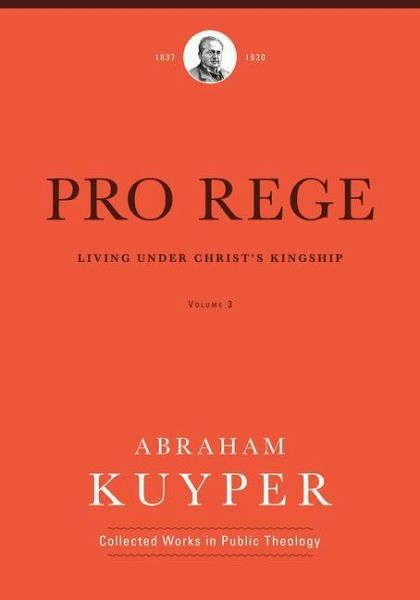
Abraham Kuyper believed that Jesus is King of all creation, making it absurd to distinguish between Christian life inside and outside the church. In previous volumes of Pro Rege, Kuyper examined Christ's universal kingship and its implications for the life of the church and the family; in this third volume, he extends his analysis of Christ's kingship and rule to areas of society not encompassed by the family and the church--specifically, culture and the arts, civil society, and government. Created in partnership with the Abraham Kuyper Translation Society and the Acton Institute for the Study of Religion & Liberty, the Abraham Kuyper Collected Works in Public Theology marks a historic moment in Kuyper studies--one that will deepen and enrich the church's public theology.