
Andere Kunden interessierten sich auch für
 ISOLATION AND IDENTIFICATION OF PROBIOTICS ON SHRIMP43,99 €
 Nanoencapsulation of Probiotic Bitter Gourd Juice Powder43,99 €
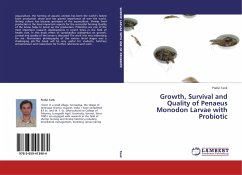
 Growth, Survival and Quality of Penaeus Monodon Larvae with Probiotic33,99 €
 ON BROILERS") EFFECT OF PROBIOTIC (Bacillus subtilis) ON BROILERS29,99 €
EFFECT OF PROBIOTIC (Bacillus subtilis) ON BROILERS29,99 € Probiotic feed additives in pigs: preliminary results and potential40,99 €
 Application of Prebiotic Mannan Oligosaccharide in Aquaculture36,99 €
 Evaluation of growth promoting and ...probiotic Biosyn in Labeo rohita36,99 €
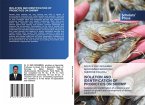
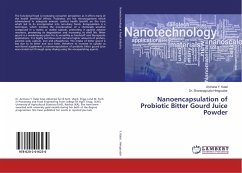
The use of probiotics in aquaculture has become a popular strategy to enhance growth, health, and disease resistance in various fish and shellfish species. Among these, Bacillus coagulans, a lactic acid-producing bacterium, has shown remarkable promise due to its ability to survive harsh environmental conditions, including high temperatures and the acidic environment of the gut. This resilience allows it to exert probiotic effects more effectively compared to other bacteria that may be less stable in the aquaculture environment. One of the primary benefits of Bacillus coagulans is its role in promoting growth performance in aquatic animals. This probiotic aids in the digestion and absorption of nutrients by producing various enzymes, such as proteases, amylases, and lipases. These enzymes break down complex nutrients into simpler forms, making them easier for the host animal to absorb, ultimately leading to improved feed conversion rates and enhanced growth. Studies have shown that fish and shrimp supplemented with Bacillus coagulans in their diet often display faster growth rates and greater weight gain compared to those on non-supplemented diets.