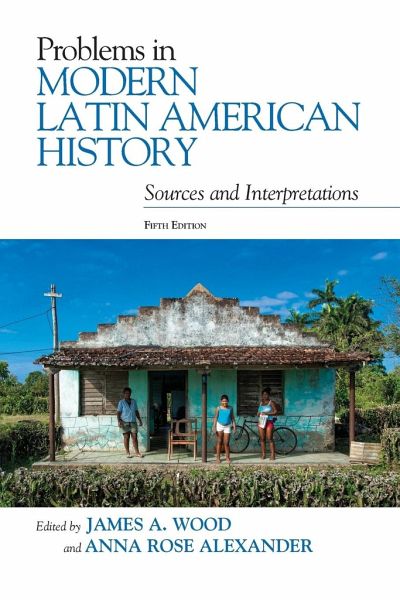
Now in its fifth edition, this leading reader has been updated to include new readings and visual sources. This edition includes a new chapter, "Nature and Protest," on current social movements to help students reflect on the ecological realities that inform their world. In addition, the "Legacies of Colonialism" chapter has been restored to give students an understanding of the deep roots of the problems explored. The reader's unique and successful chapter organization provides a thematic complement to narrative accounts of modern Latin American history. By focusing each chapter on a single…mehr
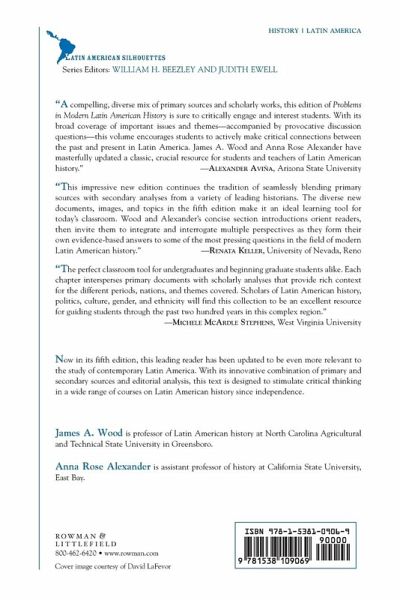
Now in its fifth edition, this leading reader has been updated to include new readings and visual sources. This edition includes a new chapter, "Nature and Protest," on current social movements to help students reflect on the ecological realities that inform their world. In addition, the "Legacies of Colonialism" chapter has been restored to give students an understanding of the deep roots of the problems explored. The reader's unique and successful chapter organization provides a thematic complement to narrative accounts of modern Latin American history. By focusing each chapter on a single concept or interpretive problem-such as nationalism, slavery, or social revolution-the text engages students in the analysis of historical sources and, at the same time, introduces them to the twists and turns of historiography. With its innovative combination of primary and secondary sources and thoughtful editorial analysis, this text is designed specifically to stimulate critical thinking in a wide range of courses on Latin American history since independence.
James A. Wood is professor of Latin American history at North Carolina Agricultural and Technical State University in Greensboro. Anna Rose Alexander is assistant professor of history at California State University, East Bay.
Inhaltsangabe
Preface to the Fifth Edition Chapter I: Legacies of Colonialism 1. Worlds Collide in Tenochtitlan: Camila Townsend 2. Assessing Indian Labor in Quito: Kris Lane 3. Rethinking the Quilombo of Palmares: Stuart B. Schwartz 4. A Priest Reports on Social Conditions in Mexico: Manuel Abad y Queipo 5. The Myth of Completion: Matthew Restall 6. Visual Source: Ordering the Colonized Space Chapter II: Independence 1. The Political Constitution of the Spanish Monarchy: Cortes of Cádiz 2. War to the Death: Simón Bolívar 3. The Vision of Father Morelos: Enrique Krause 4. What Independence Meant for Women: Sarah C. Chambers 5. Ode to Tropical Agriculture: Andrés Bello 6. Tropical Versailles: Kirsten Schultz Chapter III: Slavery 1. Africans in the American World: John Thornton 2. A Cuban Slave's Testimony: Esteban Montejo 3. A Day on a Coffee Plantation: Stanley J. Stein 4. Africa's Botanical Legacy: Judith Carney and Richard Rosomoff 5. Black Wet Nurses: Robert Edgar Conrad 6. Abolitionism in Brazil: Joaquim Nabuco 7. Visual Source: Homage to Princess Isabel Chapter IV: Caudillos 1. Caudillos as Scourge: Charles E. Chapman 2. Caudillos as Profit Maximizers: Eric R. Wolf and Edward C. Hansen 3. Caudillos as Protectors of the Indians: Ralph Lee Woodward Jr. 4. Caudillos as Culture Heroes: Ariel de la Fuente 5. The Ribbons and Rituals of Rosismo: Domingo Faustino Sarmiento 6. Mexico in the Age of Caudillos: Frances Calderón de la Barca 7. Visual Source: Contemporary Caudillos? Chapter V: Liberalism and the Catholic Church 1. A New Generation of Liberals: Frank Safford 2. Liberalism as Anticlericalism: Helen Delpar 3. The Postcolonial Church: John Lynch 4. Good Catholic Reading for Ladies: Carolina Cherniavsky Bozzolo 5. Generational Warrior: Francisco Bilbao 6. The Triumph of Reform: Justo Sierra Chapter VI: Race and Nation Building 1. Neocolonial Ideologies: E. Bradford Burns 2. Civilization versus Barbarism: Domingo Faustino Sarmiento 3. Torn from the Nest: Clorinda Matto de Turner 4. The Specter of Degeneration: Mart in S. Stabb 5. Brazilianization: Aluísio Azevedo 6. A Raceless Nation: Ada Ferrer 7. Visual Source: Barbershop Chapter VII: Nationalism 1. Our America: José Martí 2. Education and the Mexican Revolution: Octavio Paz 3. Mestizo Pride: Gilbert o Freyre 4. Plan for the Realization of Bolívar's Supreme Dream: Augusto Sandino 5. The Shark and the Sardines: Juan José Arévalo 6. Carmen Miranda and Brasilidade: Darién J. Davis Chapter VIII: Populism 1. The Peronist Political Vision: Daniel James 2. Doña María Remembers Perón: María Roldán 3. The First Lady's Peronist Feminism: Eva Perón 4. Father of the Poor? Robert M. Levine 5. Cardenismo and Women's Organizing: Jocelyn Olcott 6. Trujillo, the Benefactor: Lauren Derby Chapter IX: Social Revolution 1. Essence of Guerrilla Warfare: Che Guevara 2. Cuba's Revolutionary Literacy Campaign: Jonathan Kozol 3. Chile's Revolution from Below: Peter Winn 4. The Chilean Road to Socialism: Salvador Allende 5. Christianity and Revolution: Margaret Randall 6. Reflections on Life as a Colombian Revolutionary: María Eugenia Vásquez Perdomo Chapter X: The Cold War 1. Statements of U.S. Foreign Policy Doctrine: Presidents James Monroe, Theodore Roosevelt, and Harry Truman 2. The Lesser of Two Evils: David F. Schmitz 3. The 1964 Scare Campaign: Margaret Power 4. Alleged Assassination Plots Involving Foreign Leaders: Church Committee 5. A Search and Destroy Operation in El Salvador: Mark Danner 6. The Beliefs behind the Policies: Lars Schoultz Chapter XI: The Global Economy 1. Neocolonial Economics: Celso Furtado 2. Neoliberalism and Its Prospects: Milton Friedman 3. Global Neoliberalism: William I. Robinson 4. "I Had Sacrificed My Life": Norma Iglesias Prieto 5. Humanity against Neoliberalism: Subcomandante Marcos 6. The New Left and the Global Economy: Steven Levitsky and Kenneth M. Roberts Chapter XII: Historical Memory 1. Memory, Truth, and Justice: Elizabeth Jelin 2. Opening Chile's Memory Box: Steve J. Stern 3. Human Rights Violations Committed by Government Agents: Chilean National Commission on Truth and Reconciliation 4. Testimony of Atrocity: Rigoberta Menchú 5. Analysis of Rigoberta Menchú's Testimonial: David Stoll 6. Memory of Silence: Guatemalan Commission for Historical Clarification 7. Visual Source: Memory Sites Chapter XIII: Nature and Protest 1. The Death of Ramón González: Angus Wright 2. Fight for the Forest: Chico Mendes 3. Capitalism and Self-Destruction: Berta Cáceres 4. Blood on Their Hands: Philippa de Boissière and Sian Cowman 5. Rights of Nature: Ecuadorian Constitution 6. Lead Poisoning: Javier Auyero and Debora Alejandra Swistun 7. Visual Source: "Let Us Wake Up, Humanity. We're Out of Time" About the Editors
Preface to the Fifth Edition Chapter I: Legacies of Colonialism 1. Worlds Collide in Tenochtitlan: Camila Townsend 2. Assessing Indian Labor in Quito: Kris Lane 3. Rethinking the Quilombo of Palmares: Stuart B. Schwartz 4. A Priest Reports on Social Conditions in Mexico: Manuel Abad y Queipo 5. The Myth of Completion: Matthew Restall 6. Visual Source: Ordering the Colonized Space Chapter II: Independence 1. The Political Constitution of the Spanish Monarchy: Cortes of Cádiz 2. War to the Death: Simón Bolívar 3. The Vision of Father Morelos: Enrique Krause 4. What Independence Meant for Women: Sarah C. Chambers 5. Ode to Tropical Agriculture: Andrés Bello 6. Tropical Versailles: Kirsten Schultz Chapter III: Slavery 1. Africans in the American World: John Thornton 2. A Cuban Slave's Testimony: Esteban Montejo 3. A Day on a Coffee Plantation: Stanley J. Stein 4. Africa's Botanical Legacy: Judith Carney and Richard Rosomoff 5. Black Wet Nurses: Robert Edgar Conrad 6. Abolitionism in Brazil: Joaquim Nabuco 7. Visual Source: Homage to Princess Isabel Chapter IV: Caudillos 1. Caudillos as Scourge: Charles E. Chapman 2. Caudillos as Profit Maximizers: Eric R. Wolf and Edward C. Hansen 3. Caudillos as Protectors of the Indians: Ralph Lee Woodward Jr. 4. Caudillos as Culture Heroes: Ariel de la Fuente 5. The Ribbons and Rituals of Rosismo: Domingo Faustino Sarmiento 6. Mexico in the Age of Caudillos: Frances Calderón de la Barca 7. Visual Source: Contemporary Caudillos? Chapter V: Liberalism and the Catholic Church 1. A New Generation of Liberals: Frank Safford 2. Liberalism as Anticlericalism: Helen Delpar 3. The Postcolonial Church: John Lynch 4. Good Catholic Reading for Ladies: Carolina Cherniavsky Bozzolo 5. Generational Warrior: Francisco Bilbao 6. The Triumph of Reform: Justo Sierra Chapter VI: Race and Nation Building 1. Neocolonial Ideologies: E. Bradford Burns 2. Civilization versus Barbarism: Domingo Faustino Sarmiento 3. Torn from the Nest: Clorinda Matto de Turner 4. The Specter of Degeneration: Mart in S. Stabb 5. Brazilianization: Aluísio Azevedo 6. A Raceless Nation: Ada Ferrer 7. Visual Source: Barbershop Chapter VII: Nationalism 1. Our America: José Martí 2. Education and the Mexican Revolution: Octavio Paz 3. Mestizo Pride: Gilbert o Freyre 4. Plan for the Realization of Bolívar's Supreme Dream: Augusto Sandino 5. The Shark and the Sardines: Juan José Arévalo 6. Carmen Miranda and Brasilidade: Darién J. Davis Chapter VIII: Populism 1. The Peronist Political Vision: Daniel James 2. Doña María Remembers Perón: María Roldán 3. The First Lady's Peronist Feminism: Eva Perón 4. Father of the Poor? Robert M. Levine 5. Cardenismo and Women's Organizing: Jocelyn Olcott 6. Trujillo, the Benefactor: Lauren Derby Chapter IX: Social Revolution 1. Essence of Guerrilla Warfare: Che Guevara 2. Cuba's Revolutionary Literacy Campaign: Jonathan Kozol 3. Chile's Revolution from Below: Peter Winn 4. The Chilean Road to Socialism: Salvador Allende 5. Christianity and Revolution: Margaret Randall 6. Reflections on Life as a Colombian Revolutionary: María Eugenia Vásquez Perdomo Chapter X: The Cold War 1. Statements of U.S. Foreign Policy Doctrine: Presidents James Monroe, Theodore Roosevelt, and Harry Truman 2. The Lesser of Two Evils: David F. Schmitz 3. The 1964 Scare Campaign: Margaret Power 4. Alleged Assassination Plots Involving Foreign Leaders: Church Committee 5. A Search and Destroy Operation in El Salvador: Mark Danner 6. The Beliefs behind the Policies: Lars Schoultz Chapter XI: The Global Economy 1. Neocolonial Economics: Celso Furtado 2. Neoliberalism and Its Prospects: Milton Friedman 3. Global Neoliberalism: William I. Robinson 4. "I Had Sacrificed My Life": Norma Iglesias Prieto 5. Humanity against Neoliberalism: Subcomandante Marcos 6. The New Left and the Global Economy: Steven Levitsky and Kenneth M. Roberts Chapter XII: Historical Memory 1. Memory, Truth, and Justice: Elizabeth Jelin 2. Opening Chile's Memory Box: Steve J. Stern 3. Human Rights Violations Committed by Government Agents: Chilean National Commission on Truth and Reconciliation 4. Testimony of Atrocity: Rigoberta Menchú 5. Analysis of Rigoberta Menchú's Testimonial: David Stoll 6. Memory of Silence: Guatemalan Commission for Historical Clarification 7. Visual Source: Memory Sites Chapter XIII: Nature and Protest 1. The Death of Ramón González: Angus Wright 2. Fight for the Forest: Chico Mendes 3. Capitalism and Self-Destruction: Berta Cáceres 4. Blood on Their Hands: Philippa de Boissière and Sian Cowman 5. Rights of Nature: Ecuadorian Constitution 6. Lead Poisoning: Javier Auyero and Debora Alejandra Swistun 7. Visual Source: "Let Us Wake Up, Humanity. We're Out of Time" About the Editors
Es gelten unsere Allgemeinen Geschäftsbedingungen: www.buecher.de/agb
Impressum
www.buecher.de ist ein Internetauftritt der buecher.de internetstores GmbH
Geschäftsführung: Monica Sawhney | Roland Kölbl | Günter Hilger
Sitz der Gesellschaft: Batheyer Straße 115 - 117, 58099 Hagen
Postanschrift: Bürgermeister-Wegele-Str. 12, 86167 Augsburg
Amtsgericht Hagen HRB 13257
Steuernummer: 321/5800/1497
USt-IdNr: DE450055826