
Andere Kunden interessierten sich auch für
 A Written Republic44,99 €
 Proclus50,99 €
 Proclus50,99 €
 The Tusculan Disputations Of Marcus Tullius Cicero32,99 €
") M. Tullius Cicero Of The Nature Of The Gods (1829)28,99 €
M. Tullius Cicero Of The Nature Of The Gods (1829)28,99 € Epictetus and Laypeople45,99 €
 Proclus59,99 €



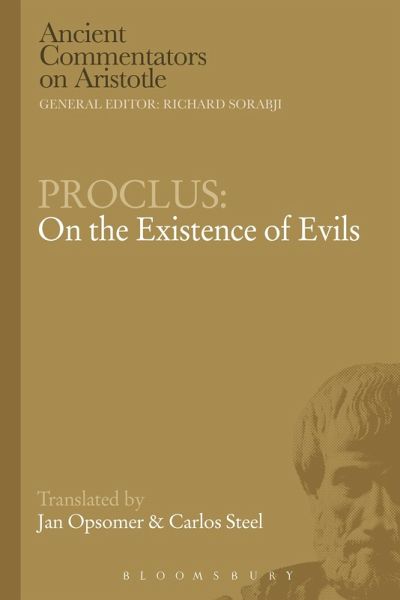
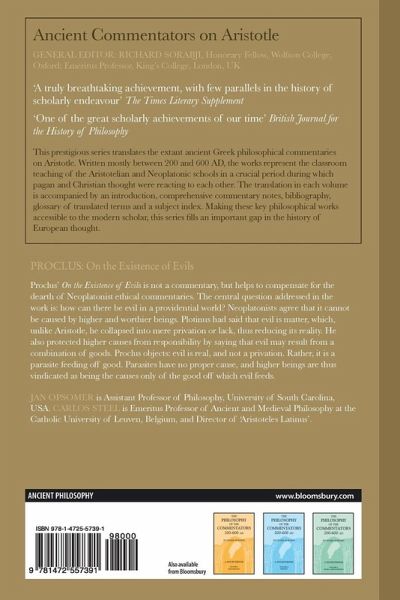
Proclus' On the Existence of Evils is not a commentary, but helps to compensate for the dearth of Neoplatonist ethical commentaries. The central question addressed in the work is: how can there be evil in a providential world? Neoplatonists agree that it cannot be caused by higher and worthier beings. Plotinus had said that evil is matter, which, unlike Aristotle, he collapsed into mere privation or lack, thus reducing its reality. He also protected higher causes from responsibility by saying that evil may result from a combination of goods. Proclus objects: evil is real, and not a privation. Rather, it is a parasite feeding off good. Parasites have no proper cause, and higher beings are thus vindicated as being the causes only of the good off which evil feeds.