Schade – dieser Artikel ist leider ausverkauft. Sobald wir wissen, ob und wann der Artikel wieder verfügbar ist, informieren wir Sie an dieser Stelle.
- Broschiertes Buch
- Merkliste
- Auf die Merkliste
- Bewerten Bewerten
- Teilen
- Produkt teilen
- Produkterinnerung
- Produkterinnerung
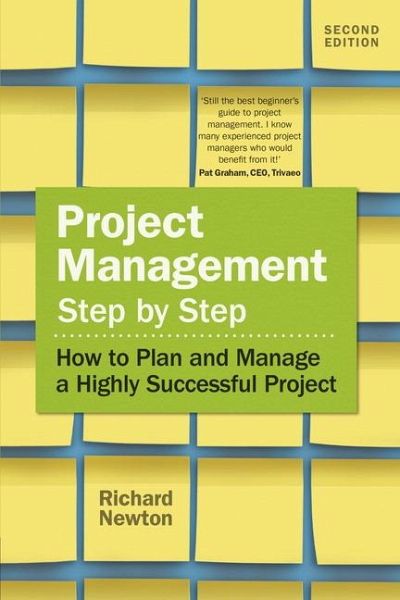
Revised edition of the author's Project management step by step, 2006.
Andere Kunden interessierten sich auch für
Harold Kerzner (Baldwin-Wallace College, Berea, Ohio)Innovation Project Management99,99 €
DKProject Management7,49 €
David B. YoffieStrategy Rules22,99 €
Jeff DavidsonEveryday Project Management17,99 €
Nick Graham (Inspirandum)Project Management for Dummies - UK25,99 €
Harold Kerzner (Baldwin-Wallace College, Berea, OH)Project Management Case Studies69,99 €
Stanley E. PortnyProject Management All-In-One for Dummies35,99 €-
-
-
Produktdetails
- Produktdetails
- Verlag: Pearson Education Limited
- 2 ed
- Seitenzahl: 208
- Erscheinungstermin: 22. Juli 2016
- Englisch
- Abmessung: 233mm x 157mm x 12mm
- Gewicht: 312g
- ISBN-13: 9781292142197
- ISBN-10: 1292142197
- Artikelnr.: 44990682
- Herstellerkennzeichnung
- Libri GmbH
- Europaallee 1
- 36244 Bad Hersfeld
- gpsr@libri.de
- Verlag: Pearson Education Limited
- 2 ed
- Seitenzahl: 208
- Erscheinungstermin: 22. Juli 2016
- Englisch
- Abmessung: 233mm x 157mm x 12mm
- Gewicht: 312g
- ISBN-13: 9781292142197
- ISBN-10: 1292142197
- Artikelnr.: 44990682
- Herstellerkennzeichnung
- Libri GmbH
- Europaallee 1
- 36244 Bad Hersfeld
- gpsr@libri.de
Richard Newton is an experienced executive who has worked both as a management consultant and a senior manager in a number of major corporations. Over the past twenty years he has built a superb track record in the successful delivery of projects and business change, the setting up and management of project and business improvement teams, and advising companies on how to ensure successful delivery on an ongoing basis. He is an advocate and successful practitioner of simple approaches to project and change management.
Acknowledgments
Preface to the second edition
Introduction
Step 1 – Understand the Basics
1.1 What is a project?
1.2 What is project management? What is your role?
1.3 The project’s customer and stakeholders
1.4 The project team
1.5 Delivery and deliverables
1.6 The five dimensions of a project – scope, quality, time, cost, risk
1.7 The stages of a project – a lifecycle
Step 2 – Define the ‘Why’ and the ‘What’
2.1 Complete the Project Definition
2.2 Check your role
2.3 Agree the Project Definition with your project customer
Step 3 – Create Your Project Plan
3.1 Brainstorm a task list
3.2 Convert the task list to a skeleton plan
3.3 Estimate times, add dependencies and delays
3.4 Add in who will do what
3.5 Build the plan into a schedule
3.6 Work out costs
3.7 Add in milestones and contingency
3.8 Review and amend – can you do it, should you do it, is there a better
way?
3.9 Review the plan with your project customer
Step 4 – Manage Delivery
4.1 Start the project
4.2 Plan your day
4.3 Collect information and reports
4.4 Monitor and manage progress
4.5 Identify and resolve issues
4.6 Identify and manage risks
4.7 Manage changes
4.8 Take action to ensure the project’s success
4.9 Keep your customer informed
4.10 Update the Project Plan or Project Budget
Step 5 – Complete Your Project
5.1 Test the deliverables
5.2 Implement deliverables
5.3 Provide support to your customers
5.4 Release resources
5.5 Review for next time
5.6 Celebrate!
Preface to the second edition
Introduction
Step 1 – Understand the Basics
1.1 What is a project?
1.2 What is project management? What is your role?
1.3 The project’s customer and stakeholders
1.4 The project team
1.5 Delivery and deliverables
1.6 The five dimensions of a project – scope, quality, time, cost, risk
1.7 The stages of a project – a lifecycle
Step 2 – Define the ‘Why’ and the ‘What’
2.1 Complete the Project Definition
2.2 Check your role
2.3 Agree the Project Definition with your project customer
Step 3 – Create Your Project Plan
3.1 Brainstorm a task list
3.2 Convert the task list to a skeleton plan
3.3 Estimate times, add dependencies and delays
3.4 Add in who will do what
3.5 Build the plan into a schedule
3.6 Work out costs
3.7 Add in milestones and contingency
3.8 Review and amend – can you do it, should you do it, is there a better
way?
3.9 Review the plan with your project customer
Step 4 – Manage Delivery
4.1 Start the project
4.2 Plan your day
4.3 Collect information and reports
4.4 Monitor and manage progress
4.5 Identify and resolve issues
4.6 Identify and manage risks
4.7 Manage changes
4.8 Take action to ensure the project’s success
4.9 Keep your customer informed
4.10 Update the Project Plan or Project Budget
Step 5 – Complete Your Project
5.1 Test the deliverables
5.2 Implement deliverables
5.3 Provide support to your customers
5.4 Release resources
5.5 Review for next time
5.6 Celebrate!
Acknowledgments
Preface to the second edition
Introduction
Step 1 – Understand the Basics
1.1 What is a project?
1.2 What is project management? What is your role?
1.3 The project’s customer and stakeholders
1.4 The project team
1.5 Delivery and deliverables
1.6 The five dimensions of a project – scope, quality, time, cost, risk
1.7 The stages of a project – a lifecycle
Step 2 – Define the ‘Why’ and the ‘What’
2.1 Complete the Project Definition
2.2 Check your role
2.3 Agree the Project Definition with your project customer
Step 3 – Create Your Project Plan
3.1 Brainstorm a task list
3.2 Convert the task list to a skeleton plan
3.3 Estimate times, add dependencies and delays
3.4 Add in who will do what
3.5 Build the plan into a schedule
3.6 Work out costs
3.7 Add in milestones and contingency
3.8 Review and amend – can you do it, should you do it, is there a better
way?
3.9 Review the plan with your project customer
Step 4 – Manage Delivery
4.1 Start the project
4.2 Plan your day
4.3 Collect information and reports
4.4 Monitor and manage progress
4.5 Identify and resolve issues
4.6 Identify and manage risks
4.7 Manage changes
4.8 Take action to ensure the project’s success
4.9 Keep your customer informed
4.10 Update the Project Plan or Project Budget
Step 5 – Complete Your Project
5.1 Test the deliverables
5.2 Implement deliverables
5.3 Provide support to your customers
5.4 Release resources
5.5 Review for next time
5.6 Celebrate!
Preface to the second edition
Introduction
Step 1 – Understand the Basics
1.1 What is a project?
1.2 What is project management? What is your role?
1.3 The project’s customer and stakeholders
1.4 The project team
1.5 Delivery and deliverables
1.6 The five dimensions of a project – scope, quality, time, cost, risk
1.7 The stages of a project – a lifecycle
Step 2 – Define the ‘Why’ and the ‘What’
2.1 Complete the Project Definition
2.2 Check your role
2.3 Agree the Project Definition with your project customer
Step 3 – Create Your Project Plan
3.1 Brainstorm a task list
3.2 Convert the task list to a skeleton plan
3.3 Estimate times, add dependencies and delays
3.4 Add in who will do what
3.5 Build the plan into a schedule
3.6 Work out costs
3.7 Add in milestones and contingency
3.8 Review and amend – can you do it, should you do it, is there a better
way?
3.9 Review the plan with your project customer
Step 4 – Manage Delivery
4.1 Start the project
4.2 Plan your day
4.3 Collect information and reports
4.4 Monitor and manage progress
4.5 Identify and resolve issues
4.6 Identify and manage risks
4.7 Manage changes
4.8 Take action to ensure the project’s success
4.9 Keep your customer informed
4.10 Update the Project Plan or Project Budget
Step 5 – Complete Your Project
5.1 Test the deliverables
5.2 Implement deliverables
5.3 Provide support to your customers
5.4 Release resources
5.5 Review for next time
5.6 Celebrate!