
Andere Kunden interessierten sich auch für
 A Propensity for Violence12,99 €
 All Tomorrow's Futures22,99 €
 Wool Deluxe Collector's Edition28,18 €
![The Dispossessed [50th Anniversary Edition]]( "The Dispossessed [50th Anniversary Edition]") The Dispossessed [50th Anniversary Edition]31,91 €
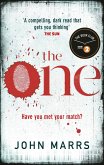
The Dispossessed [50th Anniversary Edition]31,91 € The One8,99 €
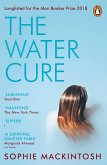
 The Water Cure9,49 €
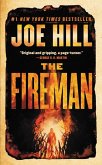
 The Fireman8,99 €
![The Dispossessed [50th Anniversary Edition]](https://bilder.buecher.de/produkte/70/70351/70351018m.jpg "The Dispossessed [50th Anniversary Edition]")
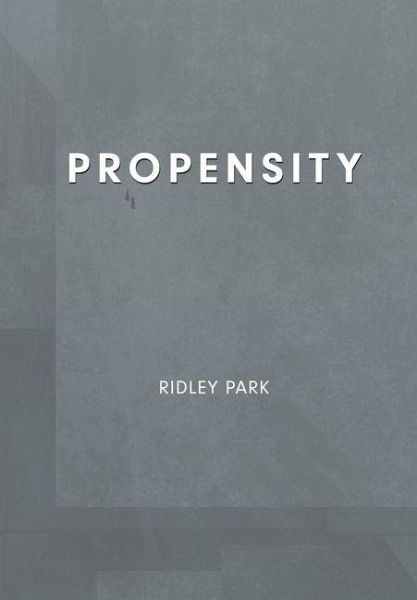
What if behavioural control worked too well? No riots. No rebellion. Just a flattening-of desire, of ambition, of will. Across homes, schools, and governments, people stop acting like themselves. Some forget how. Others forget why. The system wasn't designed to stay on this long. But now there's no off switch. And the researchers who built it? Most of them are zeroed. As one child begins to drift from baseline, an impossible question resurfaces: What does it mean to behave? Propensity is a speculative novella from Ridley Park, author of Hemo Sapiens and Sustenance. Known for fiction that slips through institutional cracks and ethical ambiguity, Park returns with a chilling vision of artificial peace and cognitive collapse. This is a psychological dystopia without explosions, a story where silence spreads faster than violence, where systems behave better than the people inside them. A tale of modulation, inertia, and the slow unravelling of human impulse-for readers who prefer their dystopias quiet and their horrors deeply plausible.