
Max Weber
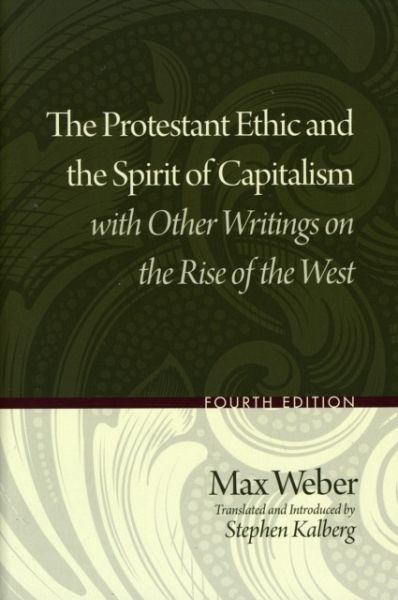
Protestant Ethic and the Spirit of Capitalism with Other Writings on the Rise of the West
Herausgeber: Kalberg, Stephen
Max Weber
Protestant Ethic and the Spirit of Capitalism with Other Writings on the Rise of the West
Herausgeber: Kalberg, Stephen
- Broschiertes Buch
- Merkliste
- Auf die Merkliste
- Bewerten Bewerten
- Teilen
- Produkt teilen
- Produkterinnerung
- Produkterinnerung
With new enhanced pedagogy, this is a famous translation of a classic book - now available for the first time with "Other Writings on the Rise of the West", a collection of Weber's other diverse writings.
Andere Kunden interessierten sich auch für
") Max WeberProtestant Ethic and the Spirit of Capitalism (Revised 1920)47,99 €
Max WeberProtestant Ethic and the Spirit of Capitalism (Revised 1920)47,99 € Max WeberThe Protestant Ethic and the "Spirit" of Capitalism and Other Writings21,99 €
 Max Weber (Late of the Universities of Freiburg Heidelburg and MuniThe Protestant Ethic and the Spirit of Capitalism12,99 €
 Sebastian GuzmanAn Analysis of Max Weber's The Protestant Ethic and the Spirit of Capitalism8,49 €
 Andrew Lynn (Postdoctoral Fellow, Postdoctoral Fellow, University oSaving the Protestant Ethic36,99 €
 Max Weber Matters56,99 €
 Erich FrommThe Art of Loving8,99 €
-
-
-




With new enhanced pedagogy, this is a famous translation of a classic book - now available for the first time with "Other Writings on the Rise of the West", a collection of Weber's other diverse writings.
Produktdetails
- Produktdetails
- Verlag: Oxford University Press Inc
- 4 Revised edition
- Seitenzahl: 602
- Erscheinungstermin: 1. Juli 2008
- Englisch
- Abmessung: 234mm x 156mm x 32mm
- Gewicht: 858g
- ISBN-13: 9780195332537
- ISBN-10: 0195332539
- Artikelnr.: 23604560
- Herstellerkennzeichnung
- Libri GmbH
- Europaallee 1
- 36244 Bad Hersfeld
- gpsr@libri.de
- Verlag: Oxford University Press Inc
- 4 Revised edition
- Seitenzahl: 602
- Erscheinungstermin: 1. Juli 2008
- Englisch
- Abmessung: 234mm x 156mm x 32mm
- Gewicht: 858g
- ISBN-13: 9780195332537
- ISBN-10: 0195332539
- Artikelnr.: 23604560
- Herstellerkennzeichnung
- Libri GmbH
- Europaallee 1
- 36244 Bad Hersfeld
- gpsr@libri.de
Stephen Kalberg is Associate Professor of Sociology at Boston University and an affiliate of the Minda de Gunzburg Center for European Studies at Harvard University. He is the editor of Max Weber: Readings and Commentary on Modernity (2005) and author of Max Weber's Comparative-Historical Sociology (1994). He teaches courses in sociological theory and comparative political cultures.
* *New to this edition
* General Introduction: Max Weber and the Modern West, Stephen Kalberg
* I. THE PROTESTANT ETHIC AND THE SPIRIT OF CAPITALISM
* Introduction to the Translation, Stephen Kalberg
* Introduction to The Protestant Ethic, Stephen Kalberg
* Part I: The Problem
* Chapter 1: Religious Affiliation and Social Stratification
* Chapter 2: The Spirit of Capitalism
* Chapter 3: Luther's Conception of the Calling
* Part II: The Vocational Ethic of Ascetic Protestantism
* Chapter 4: The Religious Foundations of This-Worldly Asceticism
*
*
*
*
* Chapter 5: Asceticism and the Spirit of Capitalism
* *II. THE PROTESTANT SECTS IN AMERICA AND THE UNIQUENESS OF WESTERN
RATIONALISM
* Introduction, Stephen Kalberg
* I. "The Protestant Sects and the Spirit of Capitalism"
* II. "'Churches' and 'Sects' in North America: An Ecclesiastical
Sociopolitical Sketch"
* III. "Prefatory Remarks" to Collected Essays in the Sociology of
Religion (1920)
* *III. DEMARCATING THE UNIQUENESS OF THE WEST THROUGH COMPARISONS:
MAGIC AND THE ECONOMIC ETHICS OF THE WORLD RELIGIONS
* Introduction, Stephen Kalberg
* I. Main Concepts: Economic Ethics, the Influence of Social Carriers,
and from Sacred Law to the Ethic of Conviction
* II. India: Hinduism and Buddhism
* III. China: Confucianism
* IV. Confucianism and Puritanism
* V. Judaism
* VI. The Middle East: Islam
* VII. The West: Ancient Christianity and Catholicism
* *IV. THE RISE OF MODERN CAPITALISM: THE WESTERN RATIONALISM AND
MODERN WESTERN RATIONALISM DEEP CONTEXTS
* Introduction, Stephen Kalberg
* I. Comparative Cases: China and India
* II. The Ancient and Medieval Cities in the West: Fraternization,
Incorporation, and the Dissolution of Clan Ties
* III. The Putting-Out System, Modes of Financing, Mercantilism, and
the Factory
* IV. The Definition of Modern Capitalism, and the Relationship of
Feudalism and Patrimonialism to Capitalism
* V. The West's Cross-State Competition vs. Hierocracy and
Caesaropapism
* VI. Juridical Formalism and the Rational State
* VII. Ethos and Education under Feudalism and Patrimonialism, Clerical
Education, and the Puritans' Mass Intellectualism
* VIII. The Sect, Democracy, Tolerance, Freedom of Conscience, and a
Cosmos of Abstract Norms
* IX. Bureaucratization, Democracy, and Modern Capitalism
* X. The Impersonality of the Market and Discipline in the Modern
Capitalist Factory
* Appendix I: Weber's Summary Statements on "The Protestant Ethic
Thesis"
* A. The Development of the Capitalist Frame of Mind (1919-1920)
* B. "A 'Final Rebuttal' to a Critic of 'Spirit of Capitalism'" (1910)
* Appendix II: Suggested Further Reading
* A. The Protestant Ethic Thesis and the Protestant Ethic Debate
* B. Max Weber: Life and Work
* Notes for The Protestant Ethic and the Spirit of Capitalism
* Literature Cited
* A. Writings of Max Weber
* B. Secondary Literature
* Acknowledgments
* *A Chronology of Max Weber's Life
* *Glossary
* Name Index
* Subject Index
* General Introduction: Max Weber and the Modern West, Stephen Kalberg
* I. THE PROTESTANT ETHIC AND THE SPIRIT OF CAPITALISM
* Introduction to the Translation, Stephen Kalberg
* Introduction to The Protestant Ethic, Stephen Kalberg
* Part I: The Problem
* Chapter 1: Religious Affiliation and Social Stratification
* Chapter 2: The Spirit of Capitalism
* Chapter 3: Luther's Conception of the Calling
* Part II: The Vocational Ethic of Ascetic Protestantism
* Chapter 4: The Religious Foundations of This-Worldly Asceticism
*
*
*
*
* Chapter 5: Asceticism and the Spirit of Capitalism
* *II. THE PROTESTANT SECTS IN AMERICA AND THE UNIQUENESS OF WESTERN
RATIONALISM
* Introduction, Stephen Kalberg
* I. "The Protestant Sects and the Spirit of Capitalism"
* II. "'Churches' and 'Sects' in North America: An Ecclesiastical
Sociopolitical Sketch"
* III. "Prefatory Remarks" to Collected Essays in the Sociology of
Religion (1920)
* *III. DEMARCATING THE UNIQUENESS OF THE WEST THROUGH COMPARISONS:
MAGIC AND THE ECONOMIC ETHICS OF THE WORLD RELIGIONS
* Introduction, Stephen Kalberg
* I. Main Concepts: Economic Ethics, the Influence of Social Carriers,
and from Sacred Law to the Ethic of Conviction
* II. India: Hinduism and Buddhism
* III. China: Confucianism
* IV. Confucianism and Puritanism
* V. Judaism
* VI. The Middle East: Islam
* VII. The West: Ancient Christianity and Catholicism
* *IV. THE RISE OF MODERN CAPITALISM: THE WESTERN RATIONALISM AND
MODERN WESTERN RATIONALISM DEEP CONTEXTS
* Introduction, Stephen Kalberg
* I. Comparative Cases: China and India
* II. The Ancient and Medieval Cities in the West: Fraternization,
Incorporation, and the Dissolution of Clan Ties
* III. The Putting-Out System, Modes of Financing, Mercantilism, and
the Factory
* IV. The Definition of Modern Capitalism, and the Relationship of
Feudalism and Patrimonialism to Capitalism
* V. The West's Cross-State Competition vs. Hierocracy and
Caesaropapism
* VI. Juridical Formalism and the Rational State
* VII. Ethos and Education under Feudalism and Patrimonialism, Clerical
Education, and the Puritans' Mass Intellectualism
* VIII. The Sect, Democracy, Tolerance, Freedom of Conscience, and a
Cosmos of Abstract Norms
* IX. Bureaucratization, Democracy, and Modern Capitalism
* X. The Impersonality of the Market and Discipline in the Modern
Capitalist Factory
* Appendix I: Weber's Summary Statements on "The Protestant Ethic
Thesis"
* A. The Development of the Capitalist Frame of Mind (1919-1920)
* B. "A 'Final Rebuttal' to a Critic of 'Spirit of Capitalism'" (1910)
* Appendix II: Suggested Further Reading
* A. The Protestant Ethic Thesis and the Protestant Ethic Debate
* B. Max Weber: Life and Work
* Notes for The Protestant Ethic and the Spirit of Capitalism
* Literature Cited
* A. Writings of Max Weber
* B. Secondary Literature
* Acknowledgments
* *A Chronology of Max Weber's Life
* *Glossary
* Name Index
* Subject Index
* *New to this edition
* General Introduction: Max Weber and the Modern West, Stephen Kalberg
* I. THE PROTESTANT ETHIC AND THE SPIRIT OF CAPITALISM
* Introduction to the Translation, Stephen Kalberg
* Introduction to The Protestant Ethic, Stephen Kalberg
* Part I: The Problem
* Chapter 1: Religious Affiliation and Social Stratification
* Chapter 2: The Spirit of Capitalism
* Chapter 3: Luther's Conception of the Calling
* Part II: The Vocational Ethic of Ascetic Protestantism
* Chapter 4: The Religious Foundations of This-Worldly Asceticism
*
*
*
*
* Chapter 5: Asceticism and the Spirit of Capitalism
* *II. THE PROTESTANT SECTS IN AMERICA AND THE UNIQUENESS OF WESTERN
RATIONALISM
* Introduction, Stephen Kalberg
* I. "The Protestant Sects and the Spirit of Capitalism"
* II. "'Churches' and 'Sects' in North America: An Ecclesiastical
Sociopolitical Sketch"
* III. "Prefatory Remarks" to Collected Essays in the Sociology of
Religion (1920)
* *III. DEMARCATING THE UNIQUENESS OF THE WEST THROUGH COMPARISONS:
MAGIC AND THE ECONOMIC ETHICS OF THE WORLD RELIGIONS
* Introduction, Stephen Kalberg
* I. Main Concepts: Economic Ethics, the Influence of Social Carriers,
and from Sacred Law to the Ethic of Conviction
* II. India: Hinduism and Buddhism
* III. China: Confucianism
* IV. Confucianism and Puritanism
* V. Judaism
* VI. The Middle East: Islam
* VII. The West: Ancient Christianity and Catholicism
* *IV. THE RISE OF MODERN CAPITALISM: THE WESTERN RATIONALISM AND
MODERN WESTERN RATIONALISM DEEP CONTEXTS
* Introduction, Stephen Kalberg
* I. Comparative Cases: China and India
* II. The Ancient and Medieval Cities in the West: Fraternization,
Incorporation, and the Dissolution of Clan Ties
* III. The Putting-Out System, Modes of Financing, Mercantilism, and
the Factory
* IV. The Definition of Modern Capitalism, and the Relationship of
Feudalism and Patrimonialism to Capitalism
* V. The West's Cross-State Competition vs. Hierocracy and
Caesaropapism
* VI. Juridical Formalism and the Rational State
* VII. Ethos and Education under Feudalism and Patrimonialism, Clerical
Education, and the Puritans' Mass Intellectualism
* VIII. The Sect, Democracy, Tolerance, Freedom of Conscience, and a
Cosmos of Abstract Norms
* IX. Bureaucratization, Democracy, and Modern Capitalism
* X. The Impersonality of the Market and Discipline in the Modern
Capitalist Factory
* Appendix I: Weber's Summary Statements on "The Protestant Ethic
Thesis"
* A. The Development of the Capitalist Frame of Mind (1919-1920)
* B. "A 'Final Rebuttal' to a Critic of 'Spirit of Capitalism'" (1910)
* Appendix II: Suggested Further Reading
* A. The Protestant Ethic Thesis and the Protestant Ethic Debate
* B. Max Weber: Life and Work
* Notes for The Protestant Ethic and the Spirit of Capitalism
* Literature Cited
* A. Writings of Max Weber
* B. Secondary Literature
* Acknowledgments
* *A Chronology of Max Weber's Life
* *Glossary
* Name Index
* Subject Index
* General Introduction: Max Weber and the Modern West, Stephen Kalberg
* I. THE PROTESTANT ETHIC AND THE SPIRIT OF CAPITALISM
* Introduction to the Translation, Stephen Kalberg
* Introduction to The Protestant Ethic, Stephen Kalberg
* Part I: The Problem
* Chapter 1: Religious Affiliation and Social Stratification
* Chapter 2: The Spirit of Capitalism
* Chapter 3: Luther's Conception of the Calling
* Part II: The Vocational Ethic of Ascetic Protestantism
* Chapter 4: The Religious Foundations of This-Worldly Asceticism
*
*
*
*
* Chapter 5: Asceticism and the Spirit of Capitalism
* *II. THE PROTESTANT SECTS IN AMERICA AND THE UNIQUENESS OF WESTERN
RATIONALISM
* Introduction, Stephen Kalberg
* I. "The Protestant Sects and the Spirit of Capitalism"
* II. "'Churches' and 'Sects' in North America: An Ecclesiastical
Sociopolitical Sketch"
* III. "Prefatory Remarks" to Collected Essays in the Sociology of
Religion (1920)
* *III. DEMARCATING THE UNIQUENESS OF THE WEST THROUGH COMPARISONS:
MAGIC AND THE ECONOMIC ETHICS OF THE WORLD RELIGIONS
* Introduction, Stephen Kalberg
* I. Main Concepts: Economic Ethics, the Influence of Social Carriers,
and from Sacred Law to the Ethic of Conviction
* II. India: Hinduism and Buddhism
* III. China: Confucianism
* IV. Confucianism and Puritanism
* V. Judaism
* VI. The Middle East: Islam
* VII. The West: Ancient Christianity and Catholicism
* *IV. THE RISE OF MODERN CAPITALISM: THE WESTERN RATIONALISM AND
MODERN WESTERN RATIONALISM DEEP CONTEXTS
* Introduction, Stephen Kalberg
* I. Comparative Cases: China and India
* II. The Ancient and Medieval Cities in the West: Fraternization,
Incorporation, and the Dissolution of Clan Ties
* III. The Putting-Out System, Modes of Financing, Mercantilism, and
the Factory
* IV. The Definition of Modern Capitalism, and the Relationship of
Feudalism and Patrimonialism to Capitalism
* V. The West's Cross-State Competition vs. Hierocracy and
Caesaropapism
* VI. Juridical Formalism and the Rational State
* VII. Ethos and Education under Feudalism and Patrimonialism, Clerical
Education, and the Puritans' Mass Intellectualism
* VIII. The Sect, Democracy, Tolerance, Freedom of Conscience, and a
Cosmos of Abstract Norms
* IX. Bureaucratization, Democracy, and Modern Capitalism
* X. The Impersonality of the Market and Discipline in the Modern
Capitalist Factory
* Appendix I: Weber's Summary Statements on "The Protestant Ethic
Thesis"
* A. The Development of the Capitalist Frame of Mind (1919-1920)
* B. "A 'Final Rebuttal' to a Critic of 'Spirit of Capitalism'" (1910)
* Appendix II: Suggested Further Reading
* A. The Protestant Ethic Thesis and the Protestant Ethic Debate
* B. Max Weber: Life and Work
* Notes for The Protestant Ethic and the Spirit of Capitalism
* Literature Cited
* A. Writings of Max Weber
* B. Secondary Literature
* Acknowledgments
* *A Chronology of Max Weber's Life
* *Glossary
* Name Index
* Subject Index