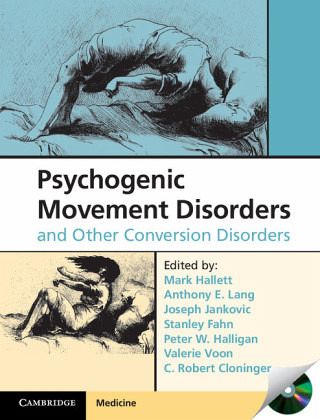
Conversion is very common but often misdiagnosed; even when diagnosed, treatment is difficult. It is critical for physicians to have the necessary knowledge to manage these patients in the most effective way. This volume gives all of the available, up-to-date information on when to think about conversion in movement disorders, how to make a diagnosis, how to use the laboratory to support a clinical diagnosis and how to develop a therapeutic plan. Written by experts in neurology, psychiatry, psychology, neuroimaging, neurophysiology and genetics, this book covers psychogenic movement disorders…mehr
Conversion is very common but often misdiagnosed; even when diagnosed, treatment is difficult. It is critical for physicians to have the necessary knowledge to manage these patients in the most effective way. This volume gives all of the available, up-to-date information on when to think about conversion in movement disorders, how to make a diagnosis, how to use the laboratory to support a clinical diagnosis and how to develop a therapeutic plan. Written by experts in neurology, psychiatry, psychology, neuroimaging, neurophysiology and genetics, this book covers psychogenic movement disorders and other conversion disorders from all of the most relevant clinical angles. An accompanying CD-ROM with a video library featuring over 100 real-life examples of movement disorders will aid diagnosis. Neurologists and psychiatrists, as well as others interested in brain pathophysiology at the boundary of neurology and psychiatry, will find this a useful aid to both clinical practice and research.
Hallett, Mark§Mark Hallett, MD is Chief of the Human Motor Control Section, Medical Neurology Branch, NINDS, NIH, Bethesda, MD, USA.
Lang, Anthony E.§Anthony E. Lang, MD, FRCPC is Professor and Director of the Division of Neurology and Jack Clark Chair for Parkinson's Disease Research, University of Toronto, and Director of the Movement Disorders Center, Toronto Western Hospital, ON, Canada.
Inhaltsangabe
Preface; Part I. Clinical Issues: 1. Introduction to the psychiatry of conversion disorders; 2. Phenomenology of psychogenic movement disorders; 3. Psychogenic parkinsonism; 4. Epidemiology and clinical impact of psychogenic movement disorders; 5. The Scottish neurological symptoms study: diagnosis and prognosis in 1144 new neurology outpatients with symptoms unexplained by disease; 6. Predisposition and issues of mixed etiology in psychogenic movement disorders; 7. Psychogenic movement disorders in children; 8. Childhood disorders: another perspective; 9. Clinical features and treatment outcome of conversion disorders in children and adolescents; 10. Somatoform disorders and psychogenic movement disorders; 11. Psychogenic non-epileptic seizures; 12. Hypochondriasis and its relationship to somatization; 13. Movement disorders in complex regional pain syndrome - the pain field perspective; 14. Psychogenic dystonia in psychogenic complex regional pain syndrome; 15. Latah and related syndromes; 16. Trauma and dissociation: clinical manifestations epidemiology, pathogenesis and treatment; 17. Psychogenic movement disorders: illness in search of disease?; 18. Possible genetic approaches to conversion; Part II. Physiology: 19. Functional brain imaging of psychogenic paralysis during conversion and hypnosis; 20. Action control in conversion paralysis: evidence from motor imagery; 21. Imaging in psychogenic movement disorders; 22. Imaging: hysterical, hypnotically suggested and malingered limb paralysis; 23. Functional imaging of psychogenic and feigned weakness; 24. An fMRI study of recall of causal life-events in conversion disorder: preliminary evidence of increased orbito-frontal and parietal activation; 25. Cortisol, trauma and threat vigilance in patients with psychogenic non-epileptic seizures; 26. Components of voluntary action; 27. Action selection in psychogenic movement disorders; 28. Insights from physiology: tremor and myoclonus; 29. Physiology of psychogenic dystonia; 30. Evoked potentials in the assessment of patients with suspected psychogenic sensory symptoms; 31. Characterizing and assessing the spectrum of volition in psychogenic movement disorders; Part III. Assessment: 32. Rating scales for psychogenic movement disorders; 33. Quality of life in psychogenic movement disorders: the cause not the effect; 34. Psychiatric testing; 35. Diagnostic considerations for the assessment of malingering within the context of psychogenic movement disorders; Part IV. Treatment: 36. Prognosis in patients with psychogenic movement disorders; 37. Presenting the diagnosis; 38. Patterns of practice [MDS Questionnaire report]; 39. Psychotherapy for psychogenic movement disorders; 40. Pharmacotherapy; 41. Suggestion; 42. Treating psychogenic movement disorders with suggestion; 43. In-patient therapy: trying to transcend pathological dissociation, dependence and disability; 44. Appendix: psychogenic movement disorders, video legends; Index.
Preface; Part I. Clinical Issues: 1. Introduction to the psychiatry of conversion disorders; 2. Phenomenology of psychogenic movement disorders; 3. Psychogenic parkinsonism; 4. Epidemiology and clinical impact of psychogenic movement disorders; 5. The Scottish neurological symptoms study: diagnosis and prognosis in 1144 new neurology outpatients with symptoms unexplained by disease; 6. Predisposition and issues of mixed etiology in psychogenic movement disorders; 7. Psychogenic movement disorders in children; 8. Childhood disorders: another perspective; 9. Clinical features and treatment outcome of conversion disorders in children and adolescents; 10. Somatoform disorders and psychogenic movement disorders; 11. Psychogenic non-epileptic seizures; 12. Hypochondriasis and its relationship to somatization; 13. Movement disorders in complex regional pain syndrome - the pain field perspective; 14. Psychogenic dystonia in psychogenic complex regional pain syndrome; 15. Latah and related syndromes; 16. Trauma and dissociation: clinical manifestations epidemiology, pathogenesis and treatment; 17. Psychogenic movement disorders: illness in search of disease?; 18. Possible genetic approaches to conversion; Part II. Physiology: 19. Functional brain imaging of psychogenic paralysis during conversion and hypnosis; 20. Action control in conversion paralysis: evidence from motor imagery; 21. Imaging in psychogenic movement disorders; 22. Imaging: hysterical, hypnotically suggested and malingered limb paralysis; 23. Functional imaging of psychogenic and feigned weakness; 24. An fMRI study of recall of causal life-events in conversion disorder: preliminary evidence of increased orbito-frontal and parietal activation; 25. Cortisol, trauma and threat vigilance in patients with psychogenic non-epileptic seizures; 26. Components of voluntary action; 27. Action selection in psychogenic movement disorders; 28. Insights from physiology: tremor and myoclonus; 29. Physiology of psychogenic dystonia; 30. Evoked potentials in the assessment of patients with suspected psychogenic sensory symptoms; 31. Characterizing and assessing the spectrum of volition in psychogenic movement disorders; Part III. Assessment: 32. Rating scales for psychogenic movement disorders; 33. Quality of life in psychogenic movement disorders: the cause not the effect; 34. Psychiatric testing; 35. Diagnostic considerations for the assessment of malingering within the context of psychogenic movement disorders; Part IV. Treatment: 36. Prognosis in patients with psychogenic movement disorders; 37. Presenting the diagnosis; 38. Patterns of practice [MDS Questionnaire report]; 39. Psychotherapy for psychogenic movement disorders; 40. Pharmacotherapy; 41. Suggestion; 42. Treating psychogenic movement disorders with suggestion; 43. In-patient therapy: trying to transcend pathological dissociation, dependence and disability; 44. Appendix: psychogenic movement disorders, video legends; Index.
Es gelten unsere Allgemeinen Geschäftsbedingungen: www.buecher.de/agb
Impressum
www.buecher.de ist ein Internetauftritt der buecher.de internetstores GmbH
Geschäftsführung: Monica Sawhney | Roland Kölbl | Günter Hilger
Sitz der Gesellschaft: Batheyer Straße 115 - 117, 58099 Hagen
Postanschrift: Bürgermeister-Wegele-Str. 12, 86167 Augsburg
Amtsgericht Hagen HRB 13257
Steuernummer: 321/5800/1497
USt-IdNr: DE450055826