
Andere Kunden interessierten sich auch für
 Political Narratosophy38,99 €
 Survivors, Perpetrators, Peace Agents24,99 €
 Indigenous Resistance27,99 €
 Gender discrimination in the hydrocarbon sector36,99 €
 Care And Defense Of The Water Resources In The Municipality Of Soacha29,99 €
 The Philosophy of Georg Simmel38,99 €
 Indigenous Responses to Mining in Post-Conflict Colombia38,99 €



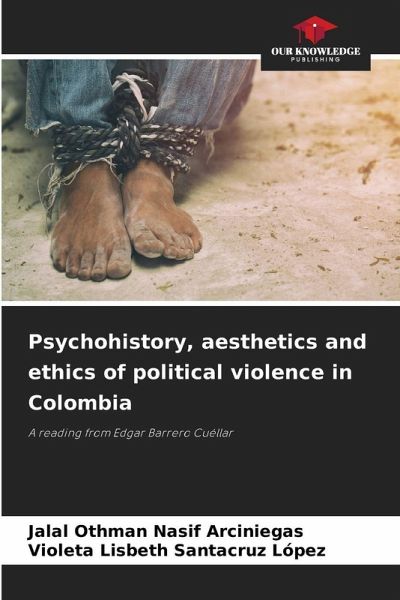
This book offers a psychohistorical reading of political violence in Colombia that articulates three axes -psychohistory, aesthetics and ethics- to explain how practices of cruelty are produced, represented and justified, and how it is possible to oppose them through active memory. Based on the categories and narratives worked by Edgar Barrero Cuellar (aesthetics of the atrocious, ethics of cruelty, social sensitivity to harm), the work reconstructs scenes, languages and affections that have normalized violence and proposes keys to denaturalize them: analysis of discourses and images, reading of testimonies and applied ethical reflection. With an approach that crosses social psychology, history and moral philosophy, it offers conceptual and didactic tools for research, teaching and psychosocial intervention, aimed at promoting ethical resistance, pedagogies of memory and care for victims; it derives from a monograph revised and expanded by its authors.