Psychology of Democracy
Herausgeber: Weinberg, Ashley
Psychology of Democracy
Herausgeber: Weinberg, Ashley
- Gebundenes Buch
- Merkliste
- Auf die Merkliste
- Bewerten Bewerten
- Teilen
- Produkt teilen
- Produkterinnerung
- Produkterinnerung
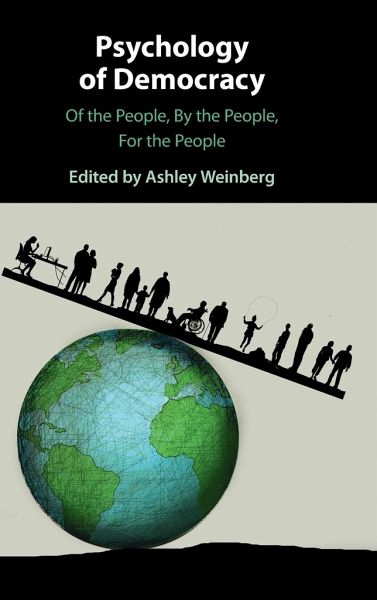
This book is about all our futures and demonstrates how essential insights from political psychology can nurture and safeguard democracy.
Andere Kunden interessierten sich auch für
Jonathan HaidtThe Anxious Generation19,99 €
Jane AddamsDemocracy and Social Ethics11,99 €
Jane AddamsDemocracy and Social Ethics18,99 €
István H. SzilágyiChanging Legal and Civic Culture in an Illiberal Democracy64,99 €
István H. SzilágyiChanging Legal and Civic Culture in an Illiberal Democracy26,99 €
Daniel HartRenewing Democracy in Young America41,99 €
David MoshmanReasoning, Argumentation, and Deliberative Democracy167,99 €-
-
-
This book is about all our futures and demonstrates how essential insights from political psychology can nurture and safeguard democracy.
Produktdetails
- Produktdetails
- Verlag: Cambridge University Press
- Seitenzahl: 470
- Erscheinungstermin: 3. März 2022
- Englisch
- Abmessung: 235mm x 157mm x 30mm
- Gewicht: 826g
- ISBN-13: 9781108477758
- ISBN-10: 1108477755
- Artikelnr.: 62603312
- Herstellerkennzeichnung
- Libri GmbH
- Europaallee 1
- 36244 Bad Hersfeld
- gpsr@libri.de
- Verlag: Cambridge University Press
- Seitenzahl: 470
- Erscheinungstermin: 3. März 2022
- Englisch
- Abmessung: 235mm x 157mm x 30mm
- Gewicht: 826g
- ISBN-13: 9781108477758
- ISBN-10: 1108477755
- Artikelnr.: 62603312
- Herstellerkennzeichnung
- Libri GmbH
- Europaallee 1
- 36244 Bad Hersfeld
- gpsr@libri.de
1. Psychology of democracy Ashley Weinberg; of the people; 2. Personality,
politics and strong democracy: a review of research and future directions
Jo Silvester and Madeleine Wyatt; 3. From Big Ben to the breakfast table:
basic values and political attitudes among politicians and the public James
Weinberg; 4. Under the microscope: Prime Minister's questions in the UK
Parliament Peter Bull and Maurice Waddle; 5. Cognitive complexity:
sometimes a boon and sometimes a danger to democracy Peter Suedfeld; 6. In
'a league of their own'? Judgement and decision-making by politicians and
non-politicians Barbara Vis and Sjoerd Stolwijk; 7. The mental well-being
of politicians Ashley Weinberg; by the people; 8. Trust in political
institutions and support for authoritarianism in Latin American students:
does civic knowledge make a difference? Daniel Miranda, Juan-Carlos
Castillo, Catalina Miranda and José Conejeros; 9. New technology, language
and gesture in contemporary Indian political discourse Rukmini Bhaya Nair;
10. Fact or fiction: influences on voter decision-making in a
disinformation environment David Redlawsk, Kyle Mattes and Karol Solis
Menco; 11. Dissecting the psychology of a voter: a citizen-centric approach
in studying electoral experience and behavior Sarah Harrison; 12. Building
trust through a revolving door of leaders: the poisoned chalice Joakim
Eidenfalk and Stuart Woodcock; 13. After the party is over Jane Roberts;
for the people: 14. Democracy as a moral challenge Gian Vittorio Caprara;
15. 'Can I trust my future?' Youth civic engagement, civic identity and
dystopias Ben Bowman, Thalia Magioglou and Helen Haste; 16. Religious
identity politics and genuine support for democracy Gizem Arikan and Pazit
Ben-Nun Bloom; 17. Psychology, democracy and the media: are citizens
learning from the news? A self reflective learning perspective Sharon Coen
and Karl Turgut Maloney Yorganci; 18. A social psychological approach to
understanding China's democratisation Yida Zhai; 19. The psychology of
radicalised conceptions of democracy - steps too far? Rod Dubrow-Marshall.
politics and strong democracy: a review of research and future directions
Jo Silvester and Madeleine Wyatt; 3. From Big Ben to the breakfast table:
basic values and political attitudes among politicians and the public James
Weinberg; 4. Under the microscope: Prime Minister's questions in the UK
Parliament Peter Bull and Maurice Waddle; 5. Cognitive complexity:
sometimes a boon and sometimes a danger to democracy Peter Suedfeld; 6. In
'a league of their own'? Judgement and decision-making by politicians and
non-politicians Barbara Vis and Sjoerd Stolwijk; 7. The mental well-being
of politicians Ashley Weinberg; by the people; 8. Trust in political
institutions and support for authoritarianism in Latin American students:
does civic knowledge make a difference? Daniel Miranda, Juan-Carlos
Castillo, Catalina Miranda and José Conejeros; 9. New technology, language
and gesture in contemporary Indian political discourse Rukmini Bhaya Nair;
10. Fact or fiction: influences on voter decision-making in a
disinformation environment David Redlawsk, Kyle Mattes and Karol Solis
Menco; 11. Dissecting the psychology of a voter: a citizen-centric approach
in studying electoral experience and behavior Sarah Harrison; 12. Building
trust through a revolving door of leaders: the poisoned chalice Joakim
Eidenfalk and Stuart Woodcock; 13. After the party is over Jane Roberts;
for the people: 14. Democracy as a moral challenge Gian Vittorio Caprara;
15. 'Can I trust my future?' Youth civic engagement, civic identity and
dystopias Ben Bowman, Thalia Magioglou and Helen Haste; 16. Religious
identity politics and genuine support for democracy Gizem Arikan and Pazit
Ben-Nun Bloom; 17. Psychology, democracy and the media: are citizens
learning from the news? A self reflective learning perspective Sharon Coen
and Karl Turgut Maloney Yorganci; 18. A social psychological approach to
understanding China's democratisation Yida Zhai; 19. The psychology of
radicalised conceptions of democracy - steps too far? Rod Dubrow-Marshall.
1. Psychology of democracy Ashley Weinberg; of the people; 2. Personality,
politics and strong democracy: a review of research and future directions
Jo Silvester and Madeleine Wyatt; 3. From Big Ben to the breakfast table:
basic values and political attitudes among politicians and the public James
Weinberg; 4. Under the microscope: Prime Minister's questions in the UK
Parliament Peter Bull and Maurice Waddle; 5. Cognitive complexity:
sometimes a boon and sometimes a danger to democracy Peter Suedfeld; 6. In
'a league of their own'? Judgement and decision-making by politicians and
non-politicians Barbara Vis and Sjoerd Stolwijk; 7. The mental well-being
of politicians Ashley Weinberg; by the people; 8. Trust in political
institutions and support for authoritarianism in Latin American students:
does civic knowledge make a difference? Daniel Miranda, Juan-Carlos
Castillo, Catalina Miranda and José Conejeros; 9. New technology, language
and gesture in contemporary Indian political discourse Rukmini Bhaya Nair;
10. Fact or fiction: influences on voter decision-making in a
disinformation environment David Redlawsk, Kyle Mattes and Karol Solis
Menco; 11. Dissecting the psychology of a voter: a citizen-centric approach
in studying electoral experience and behavior Sarah Harrison; 12. Building
trust through a revolving door of leaders: the poisoned chalice Joakim
Eidenfalk and Stuart Woodcock; 13. After the party is over Jane Roberts;
for the people: 14. Democracy as a moral challenge Gian Vittorio Caprara;
15. 'Can I trust my future?' Youth civic engagement, civic identity and
dystopias Ben Bowman, Thalia Magioglou and Helen Haste; 16. Religious
identity politics and genuine support for democracy Gizem Arikan and Pazit
Ben-Nun Bloom; 17. Psychology, democracy and the media: are citizens
learning from the news? A self reflective learning perspective Sharon Coen
and Karl Turgut Maloney Yorganci; 18. A social psychological approach to
understanding China's democratisation Yida Zhai; 19. The psychology of
radicalised conceptions of democracy - steps too far? Rod Dubrow-Marshall.
politics and strong democracy: a review of research and future directions
Jo Silvester and Madeleine Wyatt; 3. From Big Ben to the breakfast table:
basic values and political attitudes among politicians and the public James
Weinberg; 4. Under the microscope: Prime Minister's questions in the UK
Parliament Peter Bull and Maurice Waddle; 5. Cognitive complexity:
sometimes a boon and sometimes a danger to democracy Peter Suedfeld; 6. In
'a league of their own'? Judgement and decision-making by politicians and
non-politicians Barbara Vis and Sjoerd Stolwijk; 7. The mental well-being
of politicians Ashley Weinberg; by the people; 8. Trust in political
institutions and support for authoritarianism in Latin American students:
does civic knowledge make a difference? Daniel Miranda, Juan-Carlos
Castillo, Catalina Miranda and José Conejeros; 9. New technology, language
and gesture in contemporary Indian political discourse Rukmini Bhaya Nair;
10. Fact or fiction: influences on voter decision-making in a
disinformation environment David Redlawsk, Kyle Mattes and Karol Solis
Menco; 11. Dissecting the psychology of a voter: a citizen-centric approach
in studying electoral experience and behavior Sarah Harrison; 12. Building
trust through a revolving door of leaders: the poisoned chalice Joakim
Eidenfalk and Stuart Woodcock; 13. After the party is over Jane Roberts;
for the people: 14. Democracy as a moral challenge Gian Vittorio Caprara;
15. 'Can I trust my future?' Youth civic engagement, civic identity and
dystopias Ben Bowman, Thalia Magioglou and Helen Haste; 16. Religious
identity politics and genuine support for democracy Gizem Arikan and Pazit
Ben-Nun Bloom; 17. Psychology, democracy and the media: are citizens
learning from the news? A self reflective learning perspective Sharon Coen
and Karl Turgut Maloney Yorganci; 18. A social psychological approach to
understanding China's democratisation Yida Zhai; 19. The psychology of
radicalised conceptions of democracy - steps too far? Rod Dubrow-Marshall.