
Andere Kunden interessierten sich auch für
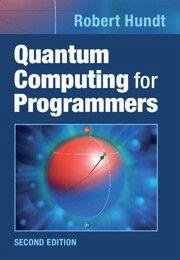
 Quantum Computing for Programmers74,99 €
 Cult of the Dead Cow10,99 €
 Priests and Programmers29,99 €
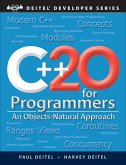
 C++20 for Programmers62,99 €
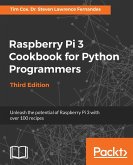
 Raspberry Pi 3 Cookbook for Python Programmers - Third Edition42,99 €
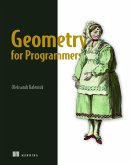
 Geometry for Programmers54,99 €
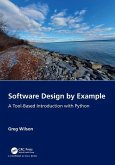
 Software Design by Example51,99 €
Details derivations and implementations of over 50 fundamental quantum algorithms and techniques, including Shor's and Grover's algorithms, Fourier transforms, quantum teleportation and QML, all simulated in Python. Precise yet easy-to-understand mathematics and over 120 illustrations make this a quintessential book for learning quantum computing.