Versandkostenfrei innerhalb Deutschlands
112,99 €
inkl. MwSt.
Versandkostenfrei*
Erscheint vorauss. 19. Februar 2026
Melden Sie sich
hier
hier
für den Produktalarm an, um über die Verfügbarkeit des Produkts informiert zu werden.
56 °P sammeln
- Gebundenes Buch
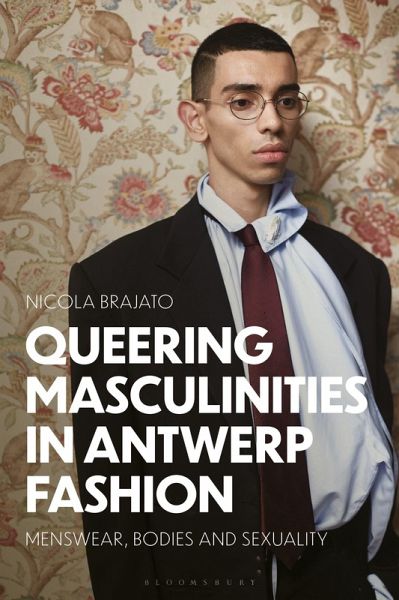
The first critical assessment of Antwerp fashion's avant-garde creative practices and vanguardist approaches to menswear, the male body, and male sexuality from the 1980s to the 2020s.
Andere Kunden interessierten sich auch für
Essentiel AntwerpEssentiel Antwerp135,99 €
Vicki KaraminasFashionable Masculinities145,99 €
Everyday Fashion112,99 €
Fashion in American Life97,99 €
Lisa HodgkinsEveryday Fashion in Found Photographs116,99 €
Adam GeczyFashion and Masculinities in Popular Culture176,99 €
Fashion and Motherhood112,99 €-
-
-
The first critical assessment of Antwerp fashion's avant-garde creative practices and vanguardist approaches to menswear, the male body, and male sexuality from the 1980s to the 2020s.
Produktdetails
- Produktdetails
- Verlag: Bloomsbury Academic
- Seitenzahl: 304
- Erscheinungstermin: 19. Februar 2026
- Englisch
- Abmessung: 234mm x 156mm x 25mm
- Gewicht: 454g
- ISBN-13: 9781350501164
- ISBN-10: 1350501166
- Artikelnr.: 74439664
- Herstellerkennzeichnung
- Libri GmbH
- Europaallee 1
- 36244 Bad Hersfeld
- gpsr@libri.de
- Verlag: Bloomsbury Academic
- Seitenzahl: 304
- Erscheinungstermin: 19. Februar 2026
- Englisch
- Abmessung: 234mm x 156mm x 25mm
- Gewicht: 454g
- ISBN-13: 9781350501164
- ISBN-10: 1350501166
- Artikelnr.: 74439664
- Herstellerkennzeichnung
- Libri GmbH
- Europaallee 1
- 36244 Bad Hersfeld
- gpsr@libri.de
Nicola Brajato
List of figures
Acknowledgements
Introduction
a. An interdisciplinary lens on fashion and masculinities
b. On the meanings of queering
c. Case studies
d. Avant-garde fashion and critical fashion practices
e. Book architecture
f. Methodological reflections
1. The Antwerp Fashion Scene: History, Pedagogy, and Avant-Garde Fashion
Practices
a. The changing geographies of fashion cities: The case of Antwerp
b. The evolution of Belgian fashion and the rise of the Antwerp fashion
scene
c. The role of the fashion department at the Antwerp Royal Academy of Fine
Arts
d. Situating gender and sexuality in the discourses on Antwerp fashion
Part One: Queering Menswear
2. Stitching and Unstitching the Norm: Understanding Normative and Queer
Masculinities in Dress and Fashion
a. Aristocratic fashion and conspicuous masculinity
b. The modern masculine stereotype: Retracing the roots of normative
masculinity
c. What have men renounced? Masculinity, the suit, and the ground zero of
menswear
d. The anti-feminine performativity of the dressed male body
e. Hybrid masculinities in fashion: From orthodox revivals to genderfluid
fashion
3. Queering Menswear in Antwerp Fashion
a. Queer(ing) tailoring: Walter Van Beirendonck
b. Menswear in the interzone: Raf Simons
c. Designing in the gender spectrum: Glenn Martens
Part Two: Queering the Body
4. What Are You Looking At? Men's Bodies, the Gaze, and Masculinity as an
Embodied Practice
a. A non-foundational approach to men's bodies
b. The male gaze and the disembodied modern male body
c. Intervisuality, homoeroticism, and the instabilities of the male gaze
d. Consumer culture, advertising images, and fashion photography
e. Challenging the hegemonic male physique: Non-conforming embodiments and
representations
5. Queering the Body in Antwerp Fashion
a. The muscular and athletic body through the ambiguous gaze: Dirk
Bikkembergs
b. The male body in the interzone: Raf Simons's skinny silhouette
c. Stocky, heavy, and bearded: Walter Van Beirendonck's bear physique
Part Three: Queering Sexuality
6. Enclothed Sexuality: the Dressed Male Body at the Intersection of
Heteronormativity and Queer Critical Discourses
a. Sexuality as a modern dispositive of power
b. Who is afraid of sex? Rethinking sexuality through queer theories
c. Dressing heteronormativity, queer sexualities, and desire
7. Queering Sexuality in Antwerp Fashion
a. 'Designing with a hard-on': Bernhard Willhelm
b. 'There's sex in everything I do!': Walter Van Beirendonck, fetishism,
and BDSM
c. For Sucsexful Living: Glenn Martens's sex-positive ethos
Conclusion
Notes
References
Index
Acknowledgements
Introduction
a. An interdisciplinary lens on fashion and masculinities
b. On the meanings of queering
c. Case studies
d. Avant-garde fashion and critical fashion practices
e. Book architecture
f. Methodological reflections
1. The Antwerp Fashion Scene: History, Pedagogy, and Avant-Garde Fashion
Practices
a. The changing geographies of fashion cities: The case of Antwerp
b. The evolution of Belgian fashion and the rise of the Antwerp fashion
scene
c. The role of the fashion department at the Antwerp Royal Academy of Fine
Arts
d. Situating gender and sexuality in the discourses on Antwerp fashion
Part One: Queering Menswear
2. Stitching and Unstitching the Norm: Understanding Normative and Queer
Masculinities in Dress and Fashion
a. Aristocratic fashion and conspicuous masculinity
b. The modern masculine stereotype: Retracing the roots of normative
masculinity
c. What have men renounced? Masculinity, the suit, and the ground zero of
menswear
d. The anti-feminine performativity of the dressed male body
e. Hybrid masculinities in fashion: From orthodox revivals to genderfluid
fashion
3. Queering Menswear in Antwerp Fashion
a. Queer(ing) tailoring: Walter Van Beirendonck
b. Menswear in the interzone: Raf Simons
c. Designing in the gender spectrum: Glenn Martens
Part Two: Queering the Body
4. What Are You Looking At? Men's Bodies, the Gaze, and Masculinity as an
Embodied Practice
a. A non-foundational approach to men's bodies
b. The male gaze and the disembodied modern male body
c. Intervisuality, homoeroticism, and the instabilities of the male gaze
d. Consumer culture, advertising images, and fashion photography
e. Challenging the hegemonic male physique: Non-conforming embodiments and
representations
5. Queering the Body in Antwerp Fashion
a. The muscular and athletic body through the ambiguous gaze: Dirk
Bikkembergs
b. The male body in the interzone: Raf Simons's skinny silhouette
c. Stocky, heavy, and bearded: Walter Van Beirendonck's bear physique
Part Three: Queering Sexuality
6. Enclothed Sexuality: the Dressed Male Body at the Intersection of
Heteronormativity and Queer Critical Discourses
a. Sexuality as a modern dispositive of power
b. Who is afraid of sex? Rethinking sexuality through queer theories
c. Dressing heteronormativity, queer sexualities, and desire
7. Queering Sexuality in Antwerp Fashion
a. 'Designing with a hard-on': Bernhard Willhelm
b. 'There's sex in everything I do!': Walter Van Beirendonck, fetishism,
and BDSM
c. For Sucsexful Living: Glenn Martens's sex-positive ethos
Conclusion
Notes
References
Index
List of figures
Acknowledgements
Introduction
a. An interdisciplinary lens on fashion and masculinities
b. On the meanings of queering
c. Case studies
d. Avant-garde fashion and critical fashion practices
e. Book architecture
f. Methodological reflections
1. The Antwerp Fashion Scene: History, Pedagogy, and Avant-Garde Fashion
Practices
a. The changing geographies of fashion cities: The case of Antwerp
b. The evolution of Belgian fashion and the rise of the Antwerp fashion
scene
c. The role of the fashion department at the Antwerp Royal Academy of Fine
Arts
d. Situating gender and sexuality in the discourses on Antwerp fashion
Part One: Queering Menswear
2. Stitching and Unstitching the Norm: Understanding Normative and Queer
Masculinities in Dress and Fashion
a. Aristocratic fashion and conspicuous masculinity
b. The modern masculine stereotype: Retracing the roots of normative
masculinity
c. What have men renounced? Masculinity, the suit, and the ground zero of
menswear
d. The anti-feminine performativity of the dressed male body
e. Hybrid masculinities in fashion: From orthodox revivals to genderfluid
fashion
3. Queering Menswear in Antwerp Fashion
a. Queer(ing) tailoring: Walter Van Beirendonck
b. Menswear in the interzone: Raf Simons
c. Designing in the gender spectrum: Glenn Martens
Part Two: Queering the Body
4. What Are You Looking At? Men's Bodies, the Gaze, and Masculinity as an
Embodied Practice
a. A non-foundational approach to men's bodies
b. The male gaze and the disembodied modern male body
c. Intervisuality, homoeroticism, and the instabilities of the male gaze
d. Consumer culture, advertising images, and fashion photography
e. Challenging the hegemonic male physique: Non-conforming embodiments and
representations
5. Queering the Body in Antwerp Fashion
a. The muscular and athletic body through the ambiguous gaze: Dirk
Bikkembergs
b. The male body in the interzone: Raf Simons's skinny silhouette
c. Stocky, heavy, and bearded: Walter Van Beirendonck's bear physique
Part Three: Queering Sexuality
6. Enclothed Sexuality: the Dressed Male Body at the Intersection of
Heteronormativity and Queer Critical Discourses
a. Sexuality as a modern dispositive of power
b. Who is afraid of sex? Rethinking sexuality through queer theories
c. Dressing heteronormativity, queer sexualities, and desire
7. Queering Sexuality in Antwerp Fashion
a. 'Designing with a hard-on': Bernhard Willhelm
b. 'There's sex in everything I do!': Walter Van Beirendonck, fetishism,
and BDSM
c. For Sucsexful Living: Glenn Martens's sex-positive ethos
Conclusion
Notes
References
Index
Acknowledgements
Introduction
a. An interdisciplinary lens on fashion and masculinities
b. On the meanings of queering
c. Case studies
d. Avant-garde fashion and critical fashion practices
e. Book architecture
f. Methodological reflections
1. The Antwerp Fashion Scene: History, Pedagogy, and Avant-Garde Fashion
Practices
a. The changing geographies of fashion cities: The case of Antwerp
b. The evolution of Belgian fashion and the rise of the Antwerp fashion
scene
c. The role of the fashion department at the Antwerp Royal Academy of Fine
Arts
d. Situating gender and sexuality in the discourses on Antwerp fashion
Part One: Queering Menswear
2. Stitching and Unstitching the Norm: Understanding Normative and Queer
Masculinities in Dress and Fashion
a. Aristocratic fashion and conspicuous masculinity
b. The modern masculine stereotype: Retracing the roots of normative
masculinity
c. What have men renounced? Masculinity, the suit, and the ground zero of
menswear
d. The anti-feminine performativity of the dressed male body
e. Hybrid masculinities in fashion: From orthodox revivals to genderfluid
fashion
3. Queering Menswear in Antwerp Fashion
a. Queer(ing) tailoring: Walter Van Beirendonck
b. Menswear in the interzone: Raf Simons
c. Designing in the gender spectrum: Glenn Martens
Part Two: Queering the Body
4. What Are You Looking At? Men's Bodies, the Gaze, and Masculinity as an
Embodied Practice
a. A non-foundational approach to men's bodies
b. The male gaze and the disembodied modern male body
c. Intervisuality, homoeroticism, and the instabilities of the male gaze
d. Consumer culture, advertising images, and fashion photography
e. Challenging the hegemonic male physique: Non-conforming embodiments and
representations
5. Queering the Body in Antwerp Fashion
a. The muscular and athletic body through the ambiguous gaze: Dirk
Bikkembergs
b. The male body in the interzone: Raf Simons's skinny silhouette
c. Stocky, heavy, and bearded: Walter Van Beirendonck's bear physique
Part Three: Queering Sexuality
6. Enclothed Sexuality: the Dressed Male Body at the Intersection of
Heteronormativity and Queer Critical Discourses
a. Sexuality as a modern dispositive of power
b. Who is afraid of sex? Rethinking sexuality through queer theories
c. Dressing heteronormativity, queer sexualities, and desire
7. Queering Sexuality in Antwerp Fashion
a. 'Designing with a hard-on': Bernhard Willhelm
b. 'There's sex in everything I do!': Walter Van Beirendonck, fetishism,
and BDSM
c. For Sucsexful Living: Glenn Martens's sex-positive ethos
Conclusion
Notes
References
Index