On August 29, 2005, Hurricane Katrina hit land and gravely affected the lives of many people in the states along the Gulf Coast. Katrina went beyond demonstrating the devastating natural effects of a hurricane by exposing the continuing significance of race relations and racial stereotyping in U.S. society.Racing the Storm serves to highlight the race-based perceptions of and responses to Katrina survivors by governmental entities, volunteers, the media, and the general public. Scholars from a variety of disciplines take on the task of analyzing the social phenomena and racial implications surrounding Hurricane Katrina.…mehr
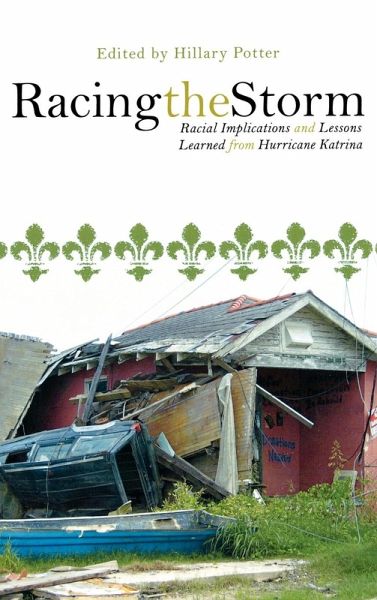
On August 29, 2005, Hurricane Katrina hit land and gravely affected the lives of many people in the states along the Gulf Coast. Katrina went beyond demonstrating the devastating natural effects of a hurricane by exposing the continuing significance of race relations and racial stereotyping in U.S. society.Racing the Storm serves to highlight the race-based perceptions of and responses to Katrina survivors by governmental entities, volunteers, the media, and the general public. Scholars from a variety of disciplines take on the task of analyzing the social phenomena and racial implications surrounding Hurricane Katrina.
Hillary Potter, PhD, is assistant professor of Sociology at the University of Colorado at Boulder.
Inhaltsangabe
Chapter 1 Introduction Part 2 Part I: Perception and Typecasting Chapter 3 Chapter 1: Making Sense of a Hurricane: Social Identity and Attribution Explanations of Race-related Differences in Katrina Disaster Responses Chapter 4 Chapter 2: The Color(s) of Crisis: How Race, Rumor, and Collective Memory Shape the Legacy of Katrina Chapter 5 Chapter 3: Reframing Crime in a Disaster: Perception, Reality, and Criminalization of Survival Tactics Among African Americans in the Aftermath of Katrina Chapter 6 Chapter 4: Cultural Differences in Perceptions of the Government and the Legal System: Hurricane Katrina Highlights What Has Been There All Along Part 7 Part II: Culture and Community Chapter 8 Chapter 5: From "Gateway to the Americas" to the "Chocolate City:" The Racialization of Latinos in New Orleans Chapter 9 Chapter 6: Saxophones, Trumpets, and Hurricanes: The Cultural Restructuring of New Orleans Chapter 10 Chapter 7: Prayer and Social Welfare in the Wake of Katrina: Race and Volunteerism in Disaster Response Part 11 Part III: Citizenship, Politics, and Government Priorities Chapter 12 Chapter 8: Stipulations: A Typology of Citizenship in the United States after Katrina Chapter 13 Chapter 9: Protect or Neglect? Social Structure, Decision Making, and the Risk of Living in African American Places in New Orleans Chapter 14 Chapter 10: Blown Away: U.S. Militarism and Hurricane Katrina Chapter 15 Chapter 11: Spectacular Privatizations: Perceptions and Lessons from Privatization of Warfare and the Privatization of Disaster Chapter 16 Chapter 12: Running Faster Next Time: Blacks and Homeland Security Chapter 17 Conclusion
Chapter 1 Introduction Part 2 Part I: Perception and Typecasting Chapter 3 Chapter 1: Making Sense of a Hurricane: Social Identity and Attribution Explanations of Race-related Differences in Katrina Disaster Responses Chapter 4 Chapter 2: The Color(s) of Crisis: How Race, Rumor, and Collective Memory Shape the Legacy of Katrina Chapter 5 Chapter 3: Reframing Crime in a Disaster: Perception, Reality, and Criminalization of Survival Tactics Among African Americans in the Aftermath of Katrina Chapter 6 Chapter 4: Cultural Differences in Perceptions of the Government and the Legal System: Hurricane Katrina Highlights What Has Been There All Along Part 7 Part II: Culture and Community Chapter 8 Chapter 5: From "Gateway to the Americas" to the "Chocolate City:" The Racialization of Latinos in New Orleans Chapter 9 Chapter 6: Saxophones, Trumpets, and Hurricanes: The Cultural Restructuring of New Orleans Chapter 10 Chapter 7: Prayer and Social Welfare in the Wake of Katrina: Race and Volunteerism in Disaster Response Part 11 Part III: Citizenship, Politics, and Government Priorities Chapter 12 Chapter 8: Stipulations: A Typology of Citizenship in the United States after Katrina Chapter 13 Chapter 9: Protect or Neglect? Social Structure, Decision Making, and the Risk of Living in African American Places in New Orleans Chapter 14 Chapter 10: Blown Away: U.S. Militarism and Hurricane Katrina Chapter 15 Chapter 11: Spectacular Privatizations: Perceptions and Lessons from Privatization of Warfare and the Privatization of Disaster Chapter 16 Chapter 12: Running Faster Next Time: Blacks and Homeland Security Chapter 17 Conclusion
Es gelten unsere Allgemeinen Geschäftsbedingungen: www.buecher.de/agb
Impressum
www.buecher.de ist ein Internetauftritt der buecher.de internetstores GmbH
Geschäftsführung: Monica Sawhney | Roland Kölbl | Günter Hilger
Sitz der Gesellschaft: Batheyer Straße 115 - 117, 58099 Hagen
Postanschrift: Bürgermeister-Wegele-Str. 12, 86167 Augsburg
Amtsgericht Hagen HRB 13257
Steuernummer: 321/5800/1497
USt-IdNr: DE450055826