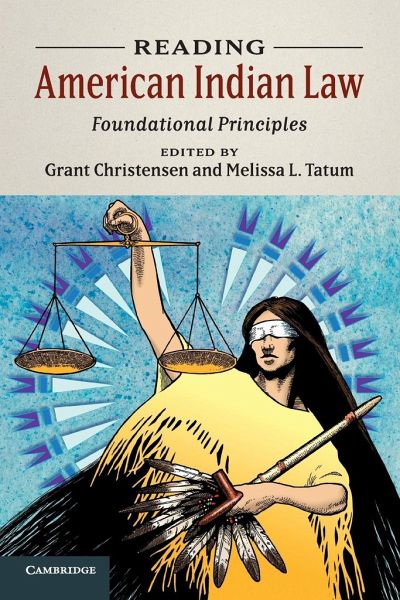
Reading American Indian Law
Herausgeber: Christensen, Grant; Tatum, Melissa L.
Reading American Indian Law
Herausgeber: Christensen, Grant; Tatum, Melissa L.
- Broschiertes Buch
- Merkliste
- Auf die Merkliste
- Bewerten Bewerten
- Teilen
- Produkt teilen
- Produkterinnerung
- Produkterinnerung
Approaches the study of Indian law through the lens of 16 of the most impactful law review articles.
Andere Kunden interessierten sich auch für
David JardineA Reading On the Use of Torture in the Criminal Law of England Previously to the Commonwealth17,99 €
Re-reading Foucault53,99 €
Anne OrfordReading Humanitarian Intervention61,99 €
Maurice Sinclair MoselyA Practical Handybook of Elementary Law Designed for the Use of Articled Clerks; With a Course of Study, and Hints on Reading for the Intermediate and Final Examinations22,99 €
H. Jefferson PowellThe Practice of American Constitutional Law40,99 €
Francis BaconThe Learned Reading of Sir Francis Bacon ... Upon the Statute of Uses, Being His Double Reading to the Honourable Society of Grayes Inne. Published fo15,99 €
Signs of Character, or, How to Read Character at Sight [microform]: Instructions in Character-reading by Contrasts15,99 €-
-
-
Approaches the study of Indian law through the lens of 16 of the most impactful law review articles.
Produktdetails
- Produktdetails
- Verlag: Cambridge University Press
- Seitenzahl: 452
- Erscheinungstermin: 12. Dezember 2019
- Englisch
- Abmessung: 229mm x 152mm x 24mm
- Gewicht: 650g
- ISBN-13: 9781108726481
- ISBN-10: 1108726488
- Artikelnr.: 56972264
- Herstellerkennzeichnung
- Libri GmbH
- Europaallee 1
- 36244 Bad Hersfeld
- gpsr@libri.de
- Verlag: Cambridge University Press
- Seitenzahl: 452
- Erscheinungstermin: 12. Dezember 2019
- Englisch
- Abmessung: 229mm x 152mm x 24mm
- Gewicht: 650g
- ISBN-13: 9781108726481
- ISBN-10: 1108726488
- Artikelnr.: 56972264
- Herstellerkennzeichnung
- Libri GmbH
- Europaallee 1
- 36244 Bad Hersfeld
- gpsr@libri.de
Editor and contributor biographies; Preface; Acknowledgements;
Introduction; Part I. Core Concepts: 1. Marshalling past and present:
colonization, constitutionalism, and interpretation in federal Indian law,
107 Harvard Law Review 381 (1993) Philip P. Frickey; 2. The algebra of
federal Indian law: the hard trail of decolonizing and Americanizing the
white man's jurisprudence, 1986 Wisconsin Law Review 219 (1986) Robert A.
Williams, Jr; 3. Red: racism and the American Indian, 56 UCLA Law Review
591 (2009) Bethany R. Berger; 4. (Tribal) sovereignty and illiberalism, 95
California Law Review 799 (2007) Angela R. Riley; Part II. Voices: 5. 'Life
comes from it': Navajo justice concepts, 24 New Mexico Law Review 175
(1994) Robert Yazzie; 6. Tribal court praxis: one year in the life of
twenty Indian tribal courts, 22 American Indian Law Review 285 (1998) Nell
Jessup Newton; 7. Beyond Indian law: the Rehnquist Court's pursuit of
states' rights, color-blind justice and mainstream values, 86 Minnesota Law
Review 267 (2001) David H. Getches; 8. A narrative of sovereignty:
illuminating the paradox of the domestic dependent nation, 83 Oregon Law
Review 1109 (2005) Sarah Krakoff; Part III. Property: 9. Sovereignty and
property, 86 Northwestern University Law Review 1 (1991) Joseph William
Singer; 10. The legacy of allotment, 27 Arizona State Law Journal 1 (1995)
Judith V. Royster; 11. A common law for our age of colonialism: the
judicial divestiture of Indian tribal authority over nonmembers, 109 Yale
Law Journal 1 (1999) Philip P. Frickey; 12. In defense of property, 118
Yale Law Journal 1022 (2009) Kristen A. Carpenter, Sonia K. Katyal and
Angela R. Riley; Part IV. (Mis)Understandings: 13. Dependent sovereigns:
Indian tribes, states, and the federal courts, 56 University of Chicago Law
Review 671 (1989) Judith Resnik; 14. There is no federal Supremacy Clause
for Indian Tribes, 34 Arizona State Law Journal 113 (2002) Robert N.
Clinton; 15. American Indians, crime, and the law, 104 Michigan Law Review
709 (2006) Kevin K. Washburn; 16. Factbound and splitless: the Certiorari
process as barrier to justice for Indian tribes, 51 Arizona Law Review 933
(2009) Matthew L. M. Fletcher.
Introduction; Part I. Core Concepts: 1. Marshalling past and present:
colonization, constitutionalism, and interpretation in federal Indian law,
107 Harvard Law Review 381 (1993) Philip P. Frickey; 2. The algebra of
federal Indian law: the hard trail of decolonizing and Americanizing the
white man's jurisprudence, 1986 Wisconsin Law Review 219 (1986) Robert A.
Williams, Jr; 3. Red: racism and the American Indian, 56 UCLA Law Review
591 (2009) Bethany R. Berger; 4. (Tribal) sovereignty and illiberalism, 95
California Law Review 799 (2007) Angela R. Riley; Part II. Voices: 5. 'Life
comes from it': Navajo justice concepts, 24 New Mexico Law Review 175
(1994) Robert Yazzie; 6. Tribal court praxis: one year in the life of
twenty Indian tribal courts, 22 American Indian Law Review 285 (1998) Nell
Jessup Newton; 7. Beyond Indian law: the Rehnquist Court's pursuit of
states' rights, color-blind justice and mainstream values, 86 Minnesota Law
Review 267 (2001) David H. Getches; 8. A narrative of sovereignty:
illuminating the paradox of the domestic dependent nation, 83 Oregon Law
Review 1109 (2005) Sarah Krakoff; Part III. Property: 9. Sovereignty and
property, 86 Northwestern University Law Review 1 (1991) Joseph William
Singer; 10. The legacy of allotment, 27 Arizona State Law Journal 1 (1995)
Judith V. Royster; 11. A common law for our age of colonialism: the
judicial divestiture of Indian tribal authority over nonmembers, 109 Yale
Law Journal 1 (1999) Philip P. Frickey; 12. In defense of property, 118
Yale Law Journal 1022 (2009) Kristen A. Carpenter, Sonia K. Katyal and
Angela R. Riley; Part IV. (Mis)Understandings: 13. Dependent sovereigns:
Indian tribes, states, and the federal courts, 56 University of Chicago Law
Review 671 (1989) Judith Resnik; 14. There is no federal Supremacy Clause
for Indian Tribes, 34 Arizona State Law Journal 113 (2002) Robert N.
Clinton; 15. American Indians, crime, and the law, 104 Michigan Law Review
709 (2006) Kevin K. Washburn; 16. Factbound and splitless: the Certiorari
process as barrier to justice for Indian tribes, 51 Arizona Law Review 933
(2009) Matthew L. M. Fletcher.
Editor and contributor biographies; Preface; Acknowledgements;
Introduction; Part I. Core Concepts: 1. Marshalling past and present:
colonization, constitutionalism, and interpretation in federal Indian law,
107 Harvard Law Review 381 (1993) Philip P. Frickey; 2. The algebra of
federal Indian law: the hard trail of decolonizing and Americanizing the
white man's jurisprudence, 1986 Wisconsin Law Review 219 (1986) Robert A.
Williams, Jr; 3. Red: racism and the American Indian, 56 UCLA Law Review
591 (2009) Bethany R. Berger; 4. (Tribal) sovereignty and illiberalism, 95
California Law Review 799 (2007) Angela R. Riley; Part II. Voices: 5. 'Life
comes from it': Navajo justice concepts, 24 New Mexico Law Review 175
(1994) Robert Yazzie; 6. Tribal court praxis: one year in the life of
twenty Indian tribal courts, 22 American Indian Law Review 285 (1998) Nell
Jessup Newton; 7. Beyond Indian law: the Rehnquist Court's pursuit of
states' rights, color-blind justice and mainstream values, 86 Minnesota Law
Review 267 (2001) David H. Getches; 8. A narrative of sovereignty:
illuminating the paradox of the domestic dependent nation, 83 Oregon Law
Review 1109 (2005) Sarah Krakoff; Part III. Property: 9. Sovereignty and
property, 86 Northwestern University Law Review 1 (1991) Joseph William
Singer; 10. The legacy of allotment, 27 Arizona State Law Journal 1 (1995)
Judith V. Royster; 11. A common law for our age of colonialism: the
judicial divestiture of Indian tribal authority over nonmembers, 109 Yale
Law Journal 1 (1999) Philip P. Frickey; 12. In defense of property, 118
Yale Law Journal 1022 (2009) Kristen A. Carpenter, Sonia K. Katyal and
Angela R. Riley; Part IV. (Mis)Understandings: 13. Dependent sovereigns:
Indian tribes, states, and the federal courts, 56 University of Chicago Law
Review 671 (1989) Judith Resnik; 14. There is no federal Supremacy Clause
for Indian Tribes, 34 Arizona State Law Journal 113 (2002) Robert N.
Clinton; 15. American Indians, crime, and the law, 104 Michigan Law Review
709 (2006) Kevin K. Washburn; 16. Factbound and splitless: the Certiorari
process as barrier to justice for Indian tribes, 51 Arizona Law Review 933
(2009) Matthew L. M. Fletcher.
Introduction; Part I. Core Concepts: 1. Marshalling past and present:
colonization, constitutionalism, and interpretation in federal Indian law,
107 Harvard Law Review 381 (1993) Philip P. Frickey; 2. The algebra of
federal Indian law: the hard trail of decolonizing and Americanizing the
white man's jurisprudence, 1986 Wisconsin Law Review 219 (1986) Robert A.
Williams, Jr; 3. Red: racism and the American Indian, 56 UCLA Law Review
591 (2009) Bethany R. Berger; 4. (Tribal) sovereignty and illiberalism, 95
California Law Review 799 (2007) Angela R. Riley; Part II. Voices: 5. 'Life
comes from it': Navajo justice concepts, 24 New Mexico Law Review 175
(1994) Robert Yazzie; 6. Tribal court praxis: one year in the life of
twenty Indian tribal courts, 22 American Indian Law Review 285 (1998) Nell
Jessup Newton; 7. Beyond Indian law: the Rehnquist Court's pursuit of
states' rights, color-blind justice and mainstream values, 86 Minnesota Law
Review 267 (2001) David H. Getches; 8. A narrative of sovereignty:
illuminating the paradox of the domestic dependent nation, 83 Oregon Law
Review 1109 (2005) Sarah Krakoff; Part III. Property: 9. Sovereignty and
property, 86 Northwestern University Law Review 1 (1991) Joseph William
Singer; 10. The legacy of allotment, 27 Arizona State Law Journal 1 (1995)
Judith V. Royster; 11. A common law for our age of colonialism: the
judicial divestiture of Indian tribal authority over nonmembers, 109 Yale
Law Journal 1 (1999) Philip P. Frickey; 12. In defense of property, 118
Yale Law Journal 1022 (2009) Kristen A. Carpenter, Sonia K. Katyal and
Angela R. Riley; Part IV. (Mis)Understandings: 13. Dependent sovereigns:
Indian tribes, states, and the federal courts, 56 University of Chicago Law
Review 671 (1989) Judith Resnik; 14. There is no federal Supremacy Clause
for Indian Tribes, 34 Arizona State Law Journal 113 (2002) Robert N.
Clinton; 15. American Indians, crime, and the law, 104 Michigan Law Review
709 (2006) Kevin K. Washburn; 16. Factbound and splitless: the Certiorari
process as barrier to justice for Indian tribes, 51 Arizona Law Review 933
(2009) Matthew L. M. Fletcher.


![Signs of Character, or, How to Read Character at Sight [microform]: Instructions in Character-reading by Contrasts Signs of Character, or, How to Read Character at Sight [microform]: Instructions in Character-reading by Contrasts](https://bilder.buecher.de/produkte/66/66145/66145178m.jpg)