
Andere Kunden interessierten sich auch für
 In the Realm of Hungry Ghosts17,99 €
 Antiracist Counseling in Schools and Communities53,99 €
 Using Image and Narrative in Therapy for Trauma, Addiction and Recovery45,99 €
 Helping At-Risk Students44,99 €
 Theory and Treatment Planning in Family Therapy146,99 €
 Diversity, Culture and Counselling47,99 €
 Group Work in Schools76,99 €




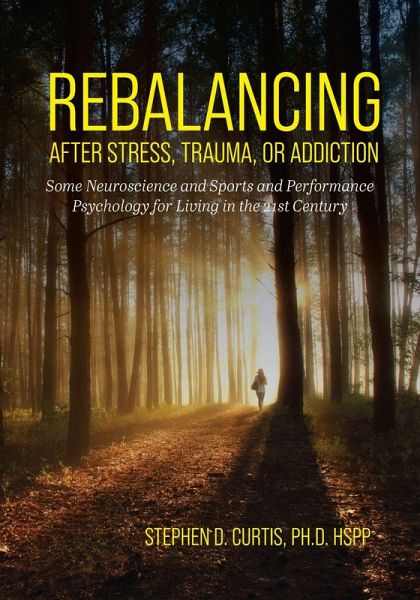
Rebalancing after Stress, Trauma, or Addiction: Some Neuroscience and Sports and Performance Psychology for Living in the 21st Century presents a novel approach to addressing the challenges faced by individuals living with histories of chronic stress, trauma, or addiction. These individuals often experience disruptive symptoms such as anxiety, irritability, depression, insomnia, substance use, relationship problems, and reclusiveness-symptoms that make talk therapy less effective. The book opens by describing the rational/emotional brain balance necessary for both normal day-to-day functioning and high performance. It then describes how stress, trauma, and/or addiction can cause semi-permanent imbalances in the brain and endocrine systems that give rise to disruptive symptoms. To address these imbalances, the book recommends a variety of rebalancing methods proven in sports and performance psychology settings that can be used to improve day-to-day performances and life quality-and as a pre-treatment for talk therapy. Crucial to the success of this rebalancing strategy is overcoming resistance to change. In the final chapters, the book offers simple but proven methods for moving through sources of resistance to create new habits, more successful day-to-day performances, and higher quality of life. Rebalancing after Stress, Trauma, or Addiction is ideal for advanced undergraduate and graduate courses in abnormal psychology and counseling or psychotherapy, as well as criminal justice, law, and corrections. The book is also an excellent handbook for those who have lived through-or are living with-chronic stress, trauma/PTSD, and/or addiction, as well as for those who care about these individuals.