
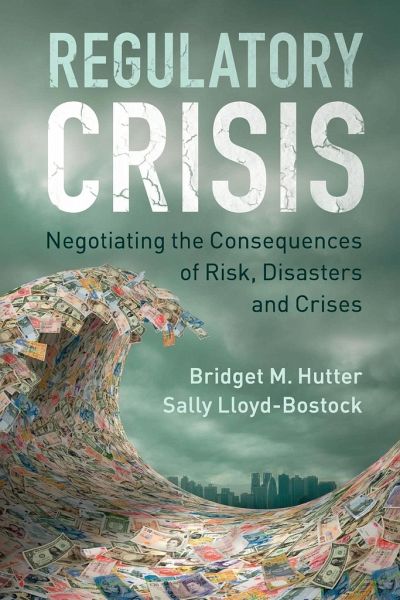
Andere Kunden interessierten sich auch für
 Regulatory Crisis85,99 €
 Preventing Regulatory Capture41,99 €
 Preventing Regulatory Capture81,99 €
 International Regulatory Co-operation26,99 €
 Achieving Regulatory Excellence39,99 €
 The Social Face of the Regulatory State126,99 €
 OECD Regulatory Policy Outlook 202174,99 €



Using a new concept - 'regulatory crisis' - this book examines how major crises may or may not affect regulation. The authors provide a detailed analysis of selected well-known disasters, tracing multiple interwoven sources of influence and competing narratives shaping crises and their impact. Their findings challenge currently influential ideas about 'regulatory failure', 'risk society' and the process of learning from disasters. They argue that interpretations of and responses to disasters and crises are fluid, socially constructed, and open to multiple influences. Official sense-making can be too readily taken at face value. Failure to manage risks may not be central or even necessary for a regulatory crisis to emerge from a disaster; and the impacts for the regulator can take on a life detached from the precipitating disaster or crisis.