
Andere Kunden interessierten sich auch für
 So close and yet so far: Interpersonal relationships and Facebook41,99 €
 Proposal for intervention in patients waiting for renal transplantation27,99 €
 I would like to learn to read?29,99 €
 Emotional education program for children from 8 to 12 years old40,99 €
 Construction of child sexuality18,99 €
 Emotional management in older adult women40,99 €
 Cultural and managing information and knowledge process in the organisation :18,99 €




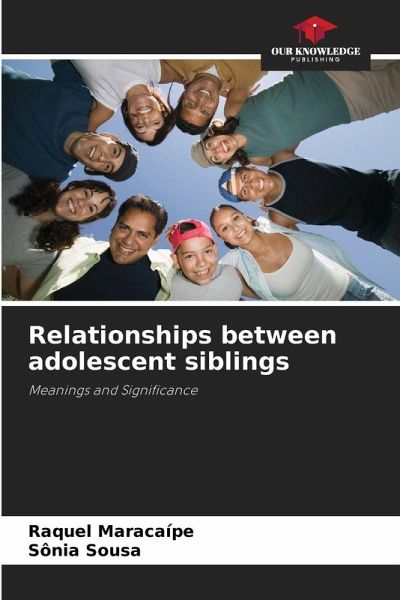
This book seeks to understand the meanings and significance that adolescent siblings attribute to the relationship between them. It also seeks to understand the phenomenon of adolescence from the perspective of Vigotski's socio-historical psychology. The concepts presented here, based on socio-historical psychology (AGUIAR; OZELLA, 2008; BOCK; GONÇALVES; FURTADO, 2001; VIGOTSKI, 1995), which form the basis of this book, differ greatly from the understanding of what adolescence is, not only in terms of common sense and the media, but also in terms of medical science and the various psychological approaches based on the biomedical or medical-biological paradigm. In common sense, adolescence is marked by stereotypes and stigmas, and adolescents are seen as a problem, popularly referred to as "annoying." This book is based on qualitative research, guided by Vigotski's socio-historical psychology, which "is based on Marxism and adopts historical and dialectical materialism as philosophy, theory, and method" (BOCK; GONÇALVES; FURTADO, 2001).