
Andere Kunden interessierten sich auch für
 Religious Freedom in Secular States169,99 €
 Freedom of Religion and Religious Pluralism210,99 €
 International Perspective on Indigenous Religious Rights192,99 €
 Religious Diversity, State, and Law244,99 €
 Religious Minorities in Pluralist Societies156,99 €
 Religious Discrimination and Hatred Law181,99 €
 International Environmental Law, Fourth Edition198,99 €



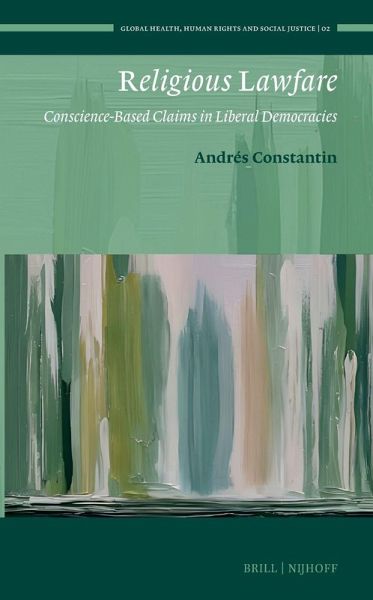
This book explores the influence of religious lawfare through the use of conscience-based claims--assertions rooted in individual or group religious or moral convictions--on shaping public policy and law, and their repercussions for democracy and human rights. It unveils a framework that not only defines but also systematizes uses of conscience-based claims, challenging prevalent notions about the motivations and actors behind religious lawfare. By contextualizing this expansion historically, it identifies new uses of these claims as undemocratic and explores global efforts to regulate them through international human rights and comparative law. Ultimately, the book offers a normative guide for handling conscience-based claims in liberal democracies.