
Andere Kunden interessierten sich auch für
 The Nazi Past in Contemporary German Film117,99 €
 On Shoreless Sea137,99 €
 The Collaboration28,99 €
 The Victorians and Germany75,95 €
 191716,99 €
 Hitler and Film28,99 €
 Geschenkdolche und militärische Ehrendolche der DDR149,99 €







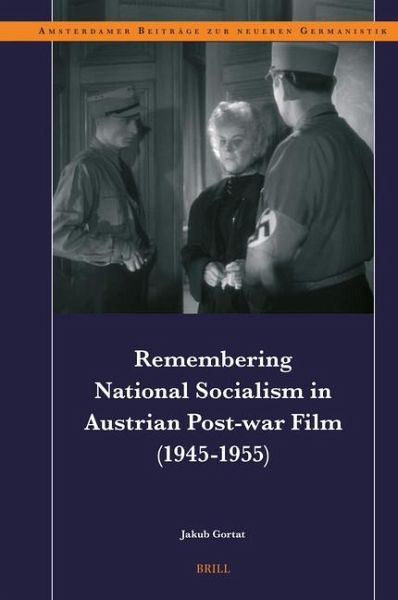
Entrenched in the myth of being victim of the Nazi aggression, Austrian elites pursued a politics of memory that symbolically shook off any responsibility for the emergence, development and consequences of National Socialism. Authors of the vast majority of films produced early after 1945 were not interested in dealing with the recent Nazi past of their country. There were, however, exceptions. Through detailed analysis of the narratives, stylistic patterns and reception of films that were set during or immediately after World War II, this book explains how cinema corroborated Austrian national self-stereotypes, at the same time offering a critique of the Nazi regime.