

Andere Kunden interessierten sich auch für
 Identity, Contestation and Development in Northeast India63,99 €
 India Migration Report 202157,99 €
 Marginalized Communities and Decentralized Institutions in India55,99 €
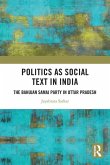
 Politics as Social Text in India55,99 €
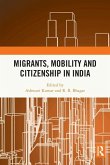
 Migrants, Mobility and Citizenship in India55,99 €
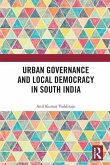
 Urban Governance and Local Democracy in South India55,99 €
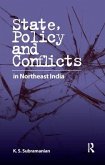
 State, Policy and Conflicts in Northeast India64,99 €
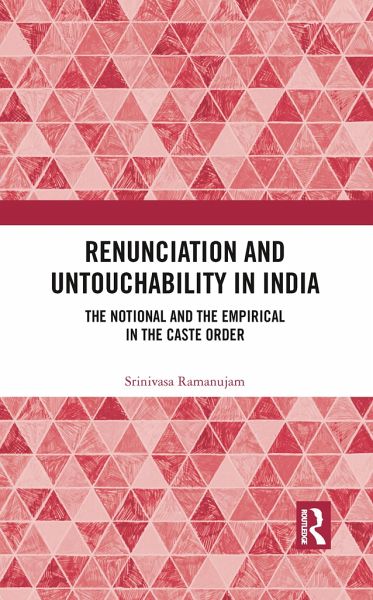
This volume develops a historically informed phenomenology of caste and untouchability. It explores the idea of 'Brahmin' and the practice of untouchability by offering a scholarly reading of ancient and medieval texts. By going beyond the notions of purity and pollution, it presents a new framework of understanding relationships between social groups and social categories. An important intervention in the study of caste and untouchability, this book will be an essential read for the scholars and researchers of political studies, political philosophy, cultural studies, Dalit studies, Indology, sociology, social anthropology and Ambedkar studies.