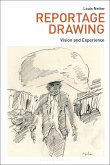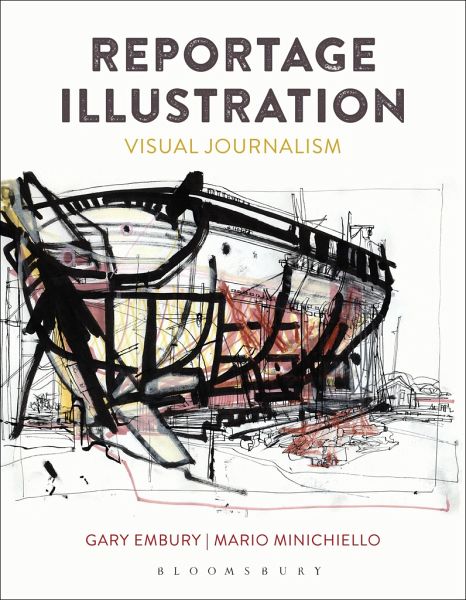
The power of reportage drawing is in the immediacy of the images that are created and the feeling of the illustrator's presence on location. Comparable in some ways to photojournalism, reportage illustrators are acting as visual journalists, proactively creating narrative work about issues and subjects, translating what they witness into handmade imagery. There is evidence that illustrations connect to people in powerful ways whether they are drawings created while embedded with troops in Afghanistan, documenting during a courtroom trial or recreating the energy of the crowd at a rock concert.…mehr
The power of reportage drawing is in the immediacy of the images that are created and the feeling of the illustrator's presence on location. Comparable in some ways to photojournalism, reportage illustrators are acting as visual journalists, proactively creating narrative work about issues and subjects, translating what they witness into handmade imagery. There is evidence that illustrations connect to people in powerful ways whether they are drawings created while embedded with troops in Afghanistan, documenting during a courtroom trial or recreating the energy of the crowd at a rock concert. This area of applied illustration also provides career opportunities for students and takes them out of the classroom and into different environments and situations. With practical information about tools, techniques and coping in various situations as well as inspirational interviews and advice from reportage artists working in the field, this book will fill a gap in this growing market.
Chapter 1: What is Reportage Drawing Background The rise of reportage and the influence of the war artist The camera and the eye Case study: George Butler/Syria Interview: Jill Gibbon Chapter 2: Materials, Media and Methods Choosing the right materials Technology and digital media Case Study: Jenny Soep/ Capturing a live event Exercise: Drawing a live event Box: Checklist of materials Interview: Julia Midgley Interview: Tim Vyner Chapter 3: Developing a Visual Language Individual approaches Case Study: Jedidiah Dore/New York City Case Study: Sue Coe/Elephant Nature Park Exercise: Developing your visual language Interview: First Hand Reportage Collective Interview: Olivier Kugler Chapter 4: On Location Beginning a project Case Study: Gary Embury/ The Bristol Bike Project Interview: Lucinda Rogers Interview: Jenny Soep Chapter 5: Capturing a sense of place Case Study: Veronica Lawler/Mystic Seaport Checklist Tips and techniques: On location Case Study: Luisa Crosbie/ Her Majesty's Theatre, London Case Study: Anne Howeson/ Drawing and Memory Interview: Bo Soremsky Chapter 6: Creating a Narrative Developing the story Story selection and developing content Tips and techniques Outlining your story Interview: Louis Netter Interview: Chloe Regan Exercise: Creating a story using a fixed viewpoint Chapter 7: Becoming a Visual Journalist Creating a digital portfolio Tips in preparing your portfolio Editing your portfolio The world of work Finding work Speculative work Working through a gallery Direct calling and arranging interviews Responsibilities Human ethics and professional practice Tips and checklists Case Study: Mario Minichiello/Weekend Financial Times Exercise: Developing a reportage illustration brief Conclusion The future of reportage Interview: Martin Harrison Contacts Credits Index
Es gelten unsere Allgemeinen Geschäftsbedingungen: www.buecher.de/agb
Impressum
www.buecher.de ist ein Internetauftritt der buecher.de internetstores GmbH
Geschäftsführung: Monica Sawhney | Roland Kölbl | Günter Hilger
Sitz der Gesellschaft: Batheyer Straße 115 - 117, 58099 Hagen
Postanschrift: Bürgermeister-Wegele-Str. 12, 86167 Augsburg
Amtsgericht Hagen HRB 13257
Steuernummer: 321/5800/1497
USt-IdNr: DE450055826