
Andere Kunden interessierten sich auch für
 Constructing Race on the Borders of Europe126,99 €
 Transformative Objects and the Aesthetics of Play127,99 €
 The New York Market for French Art in the Gilded Age, 1867-1893116,99 €
 Modern Spiritualism and Scottish Art116,99 €
 Killing for Show73,99 €
 Dialogues with Degas116,99 €
 Hall of Mirrors: Roy Lichtenstein and the Face of Painting in the 1960s9,49 €







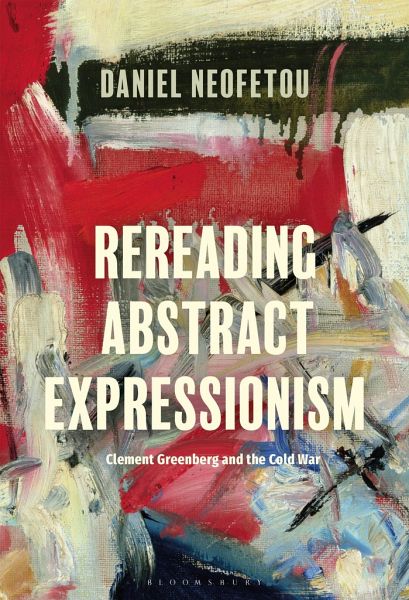
Since the 1970s, it has been argued that Abstract Expressionism was exhibited abroad by the post-war US establishment in an attempt to culturally match and reinforce its newfound economic and military dominance. The account of Abstract Expressionism developed by the American critic Clement Greenberg is often identified as central to these efforts. However, this book rereads Greenberg's account through Theodor Adorno and Maurice Merleau-Ponty in order to contend that Greenberg's criticism in fact testifies to how Abstract Expressionism opposes the ends to which it was deployed. With reference not only to the most famous artists of the movement, but also female artists and artists of colour whom Greenberg himself neglected, such as Joan Mitchell and Norman Lewis, it is argued that, far from reinforcing the capitalist status quo, Abstract Expressionism engages corporeal and affective elements of experience dismissed or delegitimated by capitalism, and promises a world that would do justice to them.