
Andere Kunden interessierten sich auch für
 Deviance and Deviants179,99 €
 Regulating Deviance52,99 €
 Pressured Into Crime126,99 €
 Crime and Punishment126,99 €
 Crime and Criminals128,99 €
 Explaining Criminals and Crime139,99 €
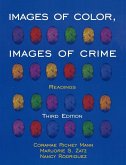
 Images of Color, Images of Crime121,99 €


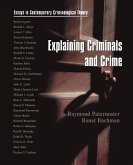
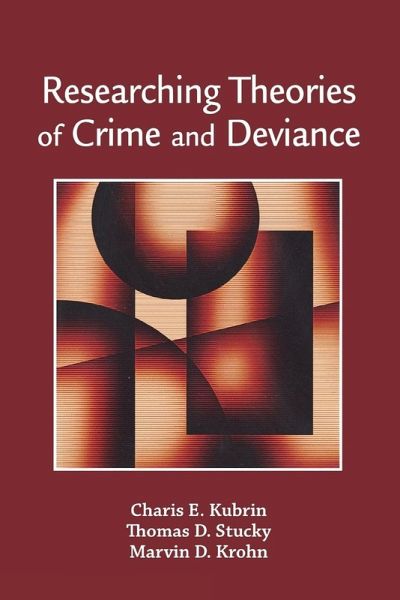
This book is a unique supplement for criminological theory courses, graduate level research methods courses, or seminars that take a close look at the development of criminological theory and/or methods. The book is intended to bridge the gap between theory and research in the study of crime and deviant behavior. Theory texts do not critically evaluate the research methods that generate the findings they cite. The student, therefore, obtains an impression of the utility of the theory based on an uncritical assessment of the research evidence. The purpose of this book is to explicitly assess the research methods that have been used to test nine theoretical perspectives of crime. Specifically, the authors focus on sampling, measurement, and analytical issues in doing theoretically directed research.