
Andere Kunden interessierten sich auch für
 Invisible Reconstruction38,99 €
 Village Housing33,99 €
 Co-designing Infrastructures33,99 €
 Co-curating the City61,99 €
 Global Sceptical Publics38,99 €
 On Making in the Digital Humanities38,99 €
 Revolution Beyond the Event33,99 €
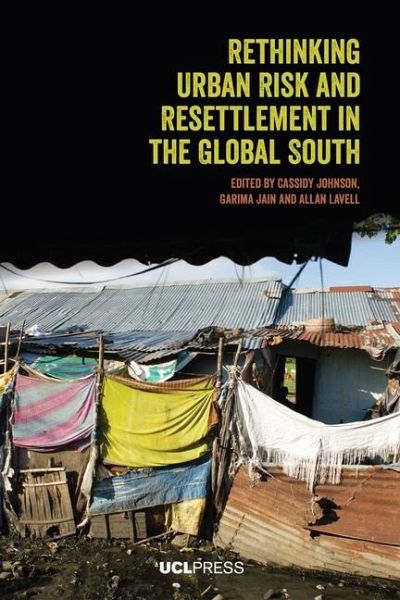
A study on urban risk and resettlement programs in the Global South in the era of climate change. Environmental changes impact everyone, but the burden is especially heavy upon the lives and livelihoods of the urban poor and those living in informal settlements. In an effort to reduce urban residents' exposure to climate change and natural disasters, resettlement programs are becoming widespread across the Global South. Yet, while resettlement may reduce a region's future climate-related disaster risk, it can also often increase poverty and vulnerability. This volume collates the findings from a research project that examined urban areas across the globe, including case studies from India, Uganda, Peru, Colombia, Mexico, Cambodia, and the Philippines. The book offers a unique approach to resettlement, providing an opportunity for urban planners to re-think how disaster risk management can better address the accumulation of urban risks in the era of climate change.