
Andere Kunden interessierten sich auch für
 The Mind-Boggling October 7 Savagery16,99 €
 Thuggery10,99 €
 The Origins of Zionism17,99 €
 Holy Enemies of Freedom29,99 €
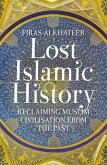
 Lost Islamic History21,99 €
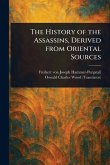
 The History of the Assassins, Derived From Oriental Sources18,99 €
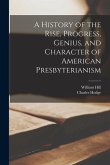
 A History of the Rise, Progress, Genius, and Character of American Presbyterianism20,99 €

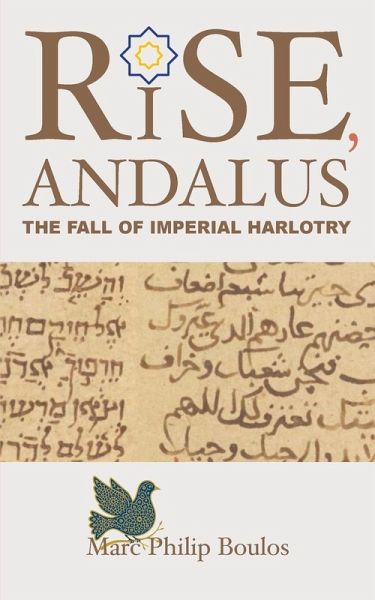
Rise, Andalus: The Fall of Imperial Harlotry argues that the destruction of the shared Semitic intellectual tradition-rooted in triliteral grammar, comparative philology, and cooperative scriptural study-was the direct consequence of European imperial ascendancy after 1492. Through close linguistic analysis of Hebrew, Arabic, and Greek roots across the Bible and Qurʾan, Marc Philip Boulos contends that the three Abrahamic scrolls function as a unified act of resistance against empire. The texts confront imperial systems not through philosophical abstraction, theology, or moral law but by exposing their hollowness and recalling humanity to a scriptural grammar of submission, difference, and encounter. The book situates this argument within a historical arc stretching from the massacres at Acre and the Third Crusade, through the fall of Granada and the Alhambra Decree, to the Gaza Genocide of 2025. In each case, imperial violence is directed not only against peoples but against Scripture itself: an attempt to erase the Semitic memory embedded in consonantal language, prophetic confrontation, and the wilderness tradition. Yet, the scattering of al-Andalus had a positive impact: its legacy of shared Semitic scholarship, inter-religious coexistence, shared living, and borderless table fellowship was carried into the Ottoman lands. There, diverse communities continued to trade, study, and live together under God's proprietorship, demonstrating that another way of life-Pauline Table Fellowship-was possible. Against this backdrop, Boulos emphasizes that true unity arises not from enforced sameness or ideological systems but from accepting divinely ordained difference and relinquishing self-reference. Drawing on the example of al-Andalus, where Jewish and Muslim scholars practiced cooperative philology, he highlights a model of textual interaction that resists domination while fostering shared submission to the Abrahamic word. Ultimately, Rise, Andalus frames the Qurʾan and the Bible as unified enduring witnesses against imperial domination and as pathways back to Jesus Christ through the shared Semitic roots of his Gospel. The book challenges Judeo-Christian imperial and pagan monoculture, while reclaiming the consonantal Judeo-Arabic grammar of Scripture as the living site of interfaith encounter, resistance, and hope.