
Andere Kunden interessierten sich auch für
") Bulletin of the Michigan Ornithological Club; v.4 (1903)17,99 €
Bulletin of the Michigan Ornithological Club; v.4 (1903)17,99 €") Bulletin of the Michigan Ornithological Club; v.5 (1904)17,99 €
Bulletin of the Michigan Ornithological Club; v.5 (1904)17,99 €") Bulletin of the Michigan Ornithological Club; v.6: no.1-2 (1905)14,99 €
Bulletin of the Michigan Ornithological Club; v.6: no.1-2 (1905)14,99 € Conquest and Catastrophe34,99 €
") Bulletin of the Michigan Ornithological Club; v.2 (1898)15,99 €
Bulletin of the Michigan Ornithological Club; v.2 (1898)15,99 €") Bulletin of the Michigan Ornithological Club; v.1 (1897)15,99 €
Bulletin of the Michigan Ornithological Club; v.1 (1897)15,99 € Origin and Antiquity of Man20,99 €


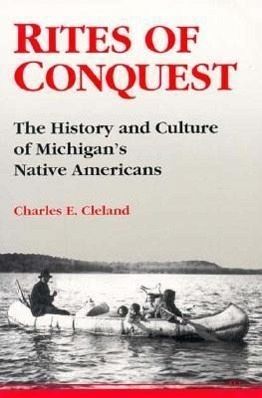
For many thousands of years before the arrival of Europeans, Michigan's native peoples, the Anishnabeg, thrived in the forests and along the shores of the Great Lakes. Theirs were cultures in delicate social balance and in economic harmony with the natural order. Rites of Conquest details the struggles of Native Americans Michigan--the Ojibwa, Ottawa, and Potawatomi, and their neighbors--to maintain unique traditions in the wake of contact with Euro-Americans. The French quest for furs, the colonial aggression of the British, and the invasion of native homelands by American settlers is the backdrop for this fascinating saga of their resistance and accommodation to the new social order. Minavavana's victory at Fort Michilimackinac, Pontiac's attempts to expel the British, Pokagon's struggle to maintain a Michigan homeland, and Big Abe Le Blanc's fight for fishing rights are a few of the many episodes recounted in the pages of this book. Beyond wars and warriors, Rites of Conquest is also about diplomacy and negotiation, mythology and magic, birth and death, and the joys and trials of daily life in the native villages of the Great Lakes region. Today, Michigan's Native American citizens struggle to solve problems that are a legacy of their past, while they attempt to maintain a distinctive place within modern society. In facing this challenge they often turn to the values and traditions that set them apart as the most enduring peoples of the Great Lakes region.