
Andere Kunden interessierten sich auch für
 Transgression, rights and social work51,99 €
 Narratives of education and resistance47,99 €
 Development and Resistance of Tribals in Orissa58,99 €
 Organizational Leadership & Resistance toward the Movement of Change39,99 €
 in Cowpea") Host Plant Resistance to Maruca Vitrata (Fabricius) in Cowpea36,99 €
Host Plant Resistance to Maruca Vitrata (Fabricius) in Cowpea36,99 € Breeding for Wilt and Root rot resistance in Castor24,99 €
 Innovation and Resistance33,99 €
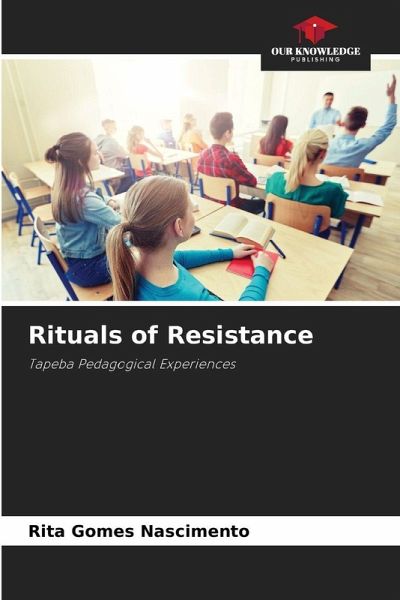
In the differentiated schools of the Tapeba Indians (CE), some pedagogical practices function as rituals of ethnic-cultural resistance to re-semanticize the stigmas and prejudices associated with them. Based on a critical approach to school, which conceives it as a privileged time-space for socio-political change, associated with the perspective of social dramaturgy and the anthropology of performance and experience, we present the times and spaces in which the Tapeba construct and express, through their educational actions, the group's experiences of ethnicity. Thus, the Cultural Fair, the Tapeba Indigenous Games, the Tapeba Indian Day Walk, and the Carnaúba Festival, on the one hand, and the Cultural Classes, on the other, highlight processes of identity affirmation that, starting from education, extend to other aspects of their community experiences.