
- Broschiertes Buch
- Merkliste
- Auf die Merkliste
- Bewerten Bewerten
- Teilen
- Produkt teilen
- Produkterinnerung
- Produkterinnerung
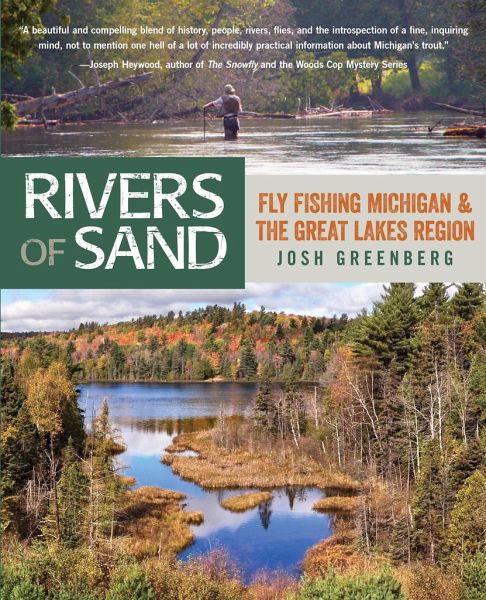
Rivers of Sand is an exploration of the unique techniques needed to fish the waters of Michigan and the Great Lakes region, and a discussion of (and paean to) the region itself.
Andere Kunden interessierten sich auch für
 Rick HafeleNymph-Fishing Rivers and Streams29,99 €
 Steve RaymondRivers of the Heart14,99 €
 Carol Ann MorrisTrout Flies for Rivers36,99 €
 Karen Rae ChristophersonBETWEEN THE RIVERS48,99 €
 Richard RuleWaterproof Flyfishing Rivers7,99 €
") Thomas Tod StoddartThe Angler's Companion To The Rivers And Lochs Of Scotland (1847)25,99 €
Thomas Tod StoddartThe Angler's Companion To The Rivers And Lochs Of Scotland (1847)25,99 € Augustus GrimbleThe Salmon Rivers of Ireland; Volume 122,99 €
-
-
-


Rivers of Sand is an exploration of the unique techniques needed to fish the waters of Michigan and the Great Lakes region, and a discussion of (and paean to) the region itself.
Produktdetails
- Produktdetails
- Verlag: Globe Pequot Publishing
- Seitenzahl: 232
- Erscheinungstermin: 4. März 2014
- Englisch
- Abmessung: 233mm x 192mm x 25mm
- Gewicht: 490g
- ISBN-13: 9780762778119
- ISBN-10: 0762778113
- Artikelnr.: 39379271
- Herstellerkennzeichnung
- Libri GmbH
- Europaallee 1
- 36244 Bad Hersfeld
- gpsr@libri.de
- Verlag: Globe Pequot Publishing
- Seitenzahl: 232
- Erscheinungstermin: 4. März 2014
- Englisch
- Abmessung: 233mm x 192mm x 25mm
- Gewicht: 490g
- ISBN-13: 9780762778119
- ISBN-10: 0762778113
- Artikelnr.: 39379271
- Herstellerkennzeichnung
- Libri GmbH
- Europaallee 1
- 36244 Bad Hersfeld
- gpsr@libri.de
Author Josh Greenberg is manager of the famous Gates Au Sable Lodge, and writes a popular, on-line fishing report that draws as many as 40,000 hits a month. He has contributed to several magazines, including Fly, Rod & Reel and Fly Fisherman. Three years ago, he contributed to a book with his boss, Calvin “Rusty” Gates. With little fanfare, and as published by a local press, Seasons of the Au Sable sold 5,000 copies in less than two years.
Introduction: The lakes and rivers that necessitated the diverse methods of
fly-fishing practiced in Michigan, with some history. From the
spring-filled Au Sable and Manistee -- dry fly havens both -- to the burly
Pere Marquette the range of habitats has made Michigan anglers proficient
in everything from Spey to Tenkara.
Chapter 1: Headwaters
Techniques for fishing the small water including rod choice, approach, slow
vs. fast water, casting, flies, tippet and leader, scouting, and
meditations on the above. This chapter will guide anglers in finding their
own secret stream by revealing what to look for on maps, characteristics of
a good creek, and how to be a steward of your own patch of little water.
Chapter 2: Making a Day of It
Prospecting for trout year round, including two fly rigs, wet flies, soft
hackles, attractor patterns, as well as reading the water and scouting out
good summer and winter refuges. From sucking ice from the rod guides to
drinking from a spring on a sultry summer day, the off-season -- or the
off-times -- is something to be savored by the few smart enough to be on
the river when others aren't.
Chapter 3: The Small Flies
Ways to make fishing the little flies easier, along with why some anglers
are discovering the joy of going tiny. Amadou and desiccants, 8x
fluorocarbon, point flies and lead flies, and other tricks from a river
valley where #30s are a fact of life.
Chapter 4: The Rise
Fishing the major hatches, with some anecdotal content. Links well with
Swisher and Richards, who wrote Selective Trout on the Au Sable, about the
bugs within the chapter. This allows me to document changes to fly design,
as well as the way the hatches have changed over the years. We actually
have heavy hatches of bugs that, back in the seventies, were rarities! Many
of our Michigan rivers offer unbelievable dry fly fishing, but each river
is different. On the Pere Marquette and Muskegon, the Gray Drakes fly into
flashlights. Meanwhile, on the Manistee, the brown drakes bounce at dusk.
Chapter 5: Midnight
From hex to mice, the best way to be successful after dark, including, as
before, gear and terminal tackle, along with fly ideas, flashlights,
stories, and ways to simplify the problems posed by darkness. Along with
Pennsylvania, Michigan has been at the forefront of the midnight game. In
the heat of summer, we rise with the fireflies and snooze to the songs of
the morning birds.
Chapter 6: Streamers
The different approaches for streamer fishing between seasons, including
new patterns and techniques, articulated flies, classic streamers, brook
trout in the fall, and big water and dory techniques.
Chapter 7: Chrome
All the ways we fish for steelhead in Michigan, from graceful Spey to the
clunky Chuck-N-Duck. We have steelhead fishing available every month of the
year, and we chase them with all the vigor of big game hunters. From
sight-fishing for steelheadeating the roe of spawning Chinooks, to swinging
colorful egg-sucking leaches through the big blue waters of the Manistee in
March, Michigan is a steelheaders paradise.
Chapter 8: The Warm Water Tour
Smallmouth, Carp, Muskie and Pike. We have some of the finest fly-fishing
for these species in Michigan. We'll cover the exotic use of helicopter to
locate schools of shallow-water carp on remote Great Lakes islands, to
chucking 12-inch divers for record class muskie, to wading the pleasant
sandy shoals of Traverse Bay casting for smallmouth. This chapter rejoices
in the aquatic habitats most often overlooked.
Chapter 9: The Big Lakes
Salmon, brown trout, lake trout and steelhead in and around the stillwaters
of Michigan and beyond, including surf-casting for record sized browns,
catching lake trout along blue drop-offs, traveling to the famous Sault St.
Marie rapids for Atlantic salmon, including tackle, line choice, and
scouting. The summation of our journey from the fern-lined headwaters, the
big lakes not only harbor the fish that spawn in and replenish our rivers,
but also feed the rivers in the winter, dropping many feet of "lake-effect"
snow on the high inland. We'll cover the techniques needed for this highly
specialized form of fishing. Fly choice, rod choice, and even proper
clothing will be discussed: this is a game of fall, winter and spring. The
conditions are harsh. The fish are silver. And anglers brave the early
morning to try their luck for a mystery that borders on a creature of the
deep.
fly-fishing practiced in Michigan, with some history. From the
spring-filled Au Sable and Manistee -- dry fly havens both -- to the burly
Pere Marquette the range of habitats has made Michigan anglers proficient
in everything from Spey to Tenkara.
Chapter 1: Headwaters
Techniques for fishing the small water including rod choice, approach, slow
vs. fast water, casting, flies, tippet and leader, scouting, and
meditations on the above. This chapter will guide anglers in finding their
own secret stream by revealing what to look for on maps, characteristics of
a good creek, and how to be a steward of your own patch of little water.
Chapter 2: Making a Day of It
Prospecting for trout year round, including two fly rigs, wet flies, soft
hackles, attractor patterns, as well as reading the water and scouting out
good summer and winter refuges. From sucking ice from the rod guides to
drinking from a spring on a sultry summer day, the off-season -- or the
off-times -- is something to be savored by the few smart enough to be on
the river when others aren't.
Chapter 3: The Small Flies
Ways to make fishing the little flies easier, along with why some anglers
are discovering the joy of going tiny. Amadou and desiccants, 8x
fluorocarbon, point flies and lead flies, and other tricks from a river
valley where #30s are a fact of life.
Chapter 4: The Rise
Fishing the major hatches, with some anecdotal content. Links well with
Swisher and Richards, who wrote Selective Trout on the Au Sable, about the
bugs within the chapter. This allows me to document changes to fly design,
as well as the way the hatches have changed over the years. We actually
have heavy hatches of bugs that, back in the seventies, were rarities! Many
of our Michigan rivers offer unbelievable dry fly fishing, but each river
is different. On the Pere Marquette and Muskegon, the Gray Drakes fly into
flashlights. Meanwhile, on the Manistee, the brown drakes bounce at dusk.
Chapter 5: Midnight
From hex to mice, the best way to be successful after dark, including, as
before, gear and terminal tackle, along with fly ideas, flashlights,
stories, and ways to simplify the problems posed by darkness. Along with
Pennsylvania, Michigan has been at the forefront of the midnight game. In
the heat of summer, we rise with the fireflies and snooze to the songs of
the morning birds.
Chapter 6: Streamers
The different approaches for streamer fishing between seasons, including
new patterns and techniques, articulated flies, classic streamers, brook
trout in the fall, and big water and dory techniques.
Chapter 7: Chrome
All the ways we fish for steelhead in Michigan, from graceful Spey to the
clunky Chuck-N-Duck. We have steelhead fishing available every month of the
year, and we chase them with all the vigor of big game hunters. From
sight-fishing for steelheadeating the roe of spawning Chinooks, to swinging
colorful egg-sucking leaches through the big blue waters of the Manistee in
March, Michigan is a steelheaders paradise.
Chapter 8: The Warm Water Tour
Smallmouth, Carp, Muskie and Pike. We have some of the finest fly-fishing
for these species in Michigan. We'll cover the exotic use of helicopter to
locate schools of shallow-water carp on remote Great Lakes islands, to
chucking 12-inch divers for record class muskie, to wading the pleasant
sandy shoals of Traverse Bay casting for smallmouth. This chapter rejoices
in the aquatic habitats most often overlooked.
Chapter 9: The Big Lakes
Salmon, brown trout, lake trout and steelhead in and around the stillwaters
of Michigan and beyond, including surf-casting for record sized browns,
catching lake trout along blue drop-offs, traveling to the famous Sault St.
Marie rapids for Atlantic salmon, including tackle, line choice, and
scouting. The summation of our journey from the fern-lined headwaters, the
big lakes not only harbor the fish that spawn in and replenish our rivers,
but also feed the rivers in the winter, dropping many feet of "lake-effect"
snow on the high inland. We'll cover the techniques needed for this highly
specialized form of fishing. Fly choice, rod choice, and even proper
clothing will be discussed: this is a game of fall, winter and spring. The
conditions are harsh. The fish are silver. And anglers brave the early
morning to try their luck for a mystery that borders on a creature of the
deep.
Introduction: The lakes and rivers that necessitated the diverse methods of
fly-fishing practiced in Michigan, with some history. From the
spring-filled Au Sable and Manistee -- dry fly havens both -- to the burly
Pere Marquette the range of habitats has made Michigan anglers proficient
in everything from Spey to Tenkara.
Chapter 1: Headwaters
Techniques for fishing the small water including rod choice, approach, slow
vs. fast water, casting, flies, tippet and leader, scouting, and
meditations on the above. This chapter will guide anglers in finding their
own secret stream by revealing what to look for on maps, characteristics of
a good creek, and how to be a steward of your own patch of little water.
Chapter 2: Making a Day of It
Prospecting for trout year round, including two fly rigs, wet flies, soft
hackles, attractor patterns, as well as reading the water and scouting out
good summer and winter refuges. From sucking ice from the rod guides to
drinking from a spring on a sultry summer day, the off-season -- or the
off-times -- is something to be savored by the few smart enough to be on
the river when others aren't.
Chapter 3: The Small Flies
Ways to make fishing the little flies easier, along with why some anglers
are discovering the joy of going tiny. Amadou and desiccants, 8x
fluorocarbon, point flies and lead flies, and other tricks from a river
valley where #30s are a fact of life.
Chapter 4: The Rise
Fishing the major hatches, with some anecdotal content. Links well with
Swisher and Richards, who wrote Selective Trout on the Au Sable, about the
bugs within the chapter. This allows me to document changes to fly design,
as well as the way the hatches have changed over the years. We actually
have heavy hatches of bugs that, back in the seventies, were rarities! Many
of our Michigan rivers offer unbelievable dry fly fishing, but each river
is different. On the Pere Marquette and Muskegon, the Gray Drakes fly into
flashlights. Meanwhile, on the Manistee, the brown drakes bounce at dusk.
Chapter 5: Midnight
From hex to mice, the best way to be successful after dark, including, as
before, gear and terminal tackle, along with fly ideas, flashlights,
stories, and ways to simplify the problems posed by darkness. Along with
Pennsylvania, Michigan has been at the forefront of the midnight game. In
the heat of summer, we rise with the fireflies and snooze to the songs of
the morning birds.
Chapter 6: Streamers
The different approaches for streamer fishing between seasons, including
new patterns and techniques, articulated flies, classic streamers, brook
trout in the fall, and big water and dory techniques.
Chapter 7: Chrome
All the ways we fish for steelhead in Michigan, from graceful Spey to the
clunky Chuck-N-Duck. We have steelhead fishing available every month of the
year, and we chase them with all the vigor of big game hunters. From
sight-fishing for steelheadeating the roe of spawning Chinooks, to swinging
colorful egg-sucking leaches through the big blue waters of the Manistee in
March, Michigan is a steelheaders paradise.
Chapter 8: The Warm Water Tour
Smallmouth, Carp, Muskie and Pike. We have some of the finest fly-fishing
for these species in Michigan. We'll cover the exotic use of helicopter to
locate schools of shallow-water carp on remote Great Lakes islands, to
chucking 12-inch divers for record class muskie, to wading the pleasant
sandy shoals of Traverse Bay casting for smallmouth. This chapter rejoices
in the aquatic habitats most often overlooked.
Chapter 9: The Big Lakes
Salmon, brown trout, lake trout and steelhead in and around the stillwaters
of Michigan and beyond, including surf-casting for record sized browns,
catching lake trout along blue drop-offs, traveling to the famous Sault St.
Marie rapids for Atlantic salmon, including tackle, line choice, and
scouting. The summation of our journey from the fern-lined headwaters, the
big lakes not only harbor the fish that spawn in and replenish our rivers,
but also feed the rivers in the winter, dropping many feet of "lake-effect"
snow on the high inland. We'll cover the techniques needed for this highly
specialized form of fishing. Fly choice, rod choice, and even proper
clothing will be discussed: this is a game of fall, winter and spring. The
conditions are harsh. The fish are silver. And anglers brave the early
morning to try their luck for a mystery that borders on a creature of the
deep.
fly-fishing practiced in Michigan, with some history. From the
spring-filled Au Sable and Manistee -- dry fly havens both -- to the burly
Pere Marquette the range of habitats has made Michigan anglers proficient
in everything from Spey to Tenkara.
Chapter 1: Headwaters
Techniques for fishing the small water including rod choice, approach, slow
vs. fast water, casting, flies, tippet and leader, scouting, and
meditations on the above. This chapter will guide anglers in finding their
own secret stream by revealing what to look for on maps, characteristics of
a good creek, and how to be a steward of your own patch of little water.
Chapter 2: Making a Day of It
Prospecting for trout year round, including two fly rigs, wet flies, soft
hackles, attractor patterns, as well as reading the water and scouting out
good summer and winter refuges. From sucking ice from the rod guides to
drinking from a spring on a sultry summer day, the off-season -- or the
off-times -- is something to be savored by the few smart enough to be on
the river when others aren't.
Chapter 3: The Small Flies
Ways to make fishing the little flies easier, along with why some anglers
are discovering the joy of going tiny. Amadou and desiccants, 8x
fluorocarbon, point flies and lead flies, and other tricks from a river
valley where #30s are a fact of life.
Chapter 4: The Rise
Fishing the major hatches, with some anecdotal content. Links well with
Swisher and Richards, who wrote Selective Trout on the Au Sable, about the
bugs within the chapter. This allows me to document changes to fly design,
as well as the way the hatches have changed over the years. We actually
have heavy hatches of bugs that, back in the seventies, were rarities! Many
of our Michigan rivers offer unbelievable dry fly fishing, but each river
is different. On the Pere Marquette and Muskegon, the Gray Drakes fly into
flashlights. Meanwhile, on the Manistee, the brown drakes bounce at dusk.
Chapter 5: Midnight
From hex to mice, the best way to be successful after dark, including, as
before, gear and terminal tackle, along with fly ideas, flashlights,
stories, and ways to simplify the problems posed by darkness. Along with
Pennsylvania, Michigan has been at the forefront of the midnight game. In
the heat of summer, we rise with the fireflies and snooze to the songs of
the morning birds.
Chapter 6: Streamers
The different approaches for streamer fishing between seasons, including
new patterns and techniques, articulated flies, classic streamers, brook
trout in the fall, and big water and dory techniques.
Chapter 7: Chrome
All the ways we fish for steelhead in Michigan, from graceful Spey to the
clunky Chuck-N-Duck. We have steelhead fishing available every month of the
year, and we chase them with all the vigor of big game hunters. From
sight-fishing for steelheadeating the roe of spawning Chinooks, to swinging
colorful egg-sucking leaches through the big blue waters of the Manistee in
March, Michigan is a steelheaders paradise.
Chapter 8: The Warm Water Tour
Smallmouth, Carp, Muskie and Pike. We have some of the finest fly-fishing
for these species in Michigan. We'll cover the exotic use of helicopter to
locate schools of shallow-water carp on remote Great Lakes islands, to
chucking 12-inch divers for record class muskie, to wading the pleasant
sandy shoals of Traverse Bay casting for smallmouth. This chapter rejoices
in the aquatic habitats most often overlooked.
Chapter 9: The Big Lakes
Salmon, brown trout, lake trout and steelhead in and around the stillwaters
of Michigan and beyond, including surf-casting for record sized browns,
catching lake trout along blue drop-offs, traveling to the famous Sault St.
Marie rapids for Atlantic salmon, including tackle, line choice, and
scouting. The summation of our journey from the fern-lined headwaters, the
big lakes not only harbor the fish that spawn in and replenish our rivers,
but also feed the rivers in the winter, dropping many feet of "lake-effect"
snow on the high inland. We'll cover the techniques needed for this highly
specialized form of fishing. Fly choice, rod choice, and even proper
clothing will be discussed: this is a game of fall, winter and spring. The
conditions are harsh. The fish are silver. And anglers brave the early
morning to try their luck for a mystery that borders on a creature of the
deep.