
Routledge Handbook of Agricultural Biodiversity
Herausgeber: Hunter, Danny; Spillane, Charles; Guarino, Luigi
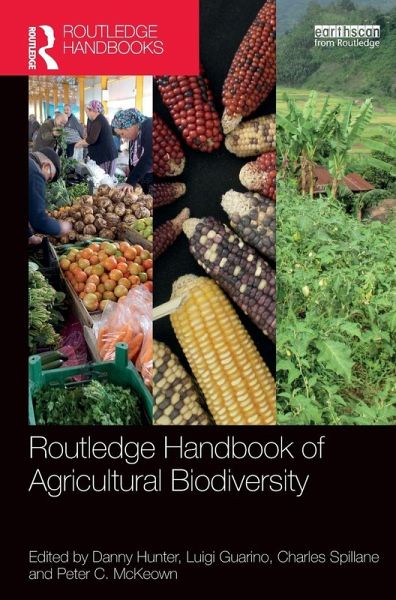
Routledge Handbook of Agricultural Biodiversity
Herausgeber: Hunter, Danny; Spillane, Charles; Guarino, Luigi
- Gebundenes Buch
- Merkliste
- Auf die Merkliste
- Bewerten Bewerten
- Teilen
- Produkt teilen
- Produkterinnerung
- Produkterinnerung
This Handbook presents a comprehensive overview of our current knowledge of agricultural biodiversity in a series of specially commissioned chapters.
Andere Kunden interessierten sich auch für
 Emeritus Ni ReidManaging biodiversity in agricultural landscapes227,99 €
 Routledge Handbook of Degrowth280,99 €
 Routledge Handbook of Wetlands282,99 €
 Agricultural Land Use172,99 €
 The Earthscan Reader in Poverty and Biodiversity Conservation193,99 €
 Biodiversity Conservation in Southeast Asia56,99 €
 Biodiversity Conservation in Southeast Asia171,99 €
-
-
-

This Handbook presents a comprehensive overview of our current knowledge of agricultural biodiversity in a series of specially commissioned chapters.
Produktdetails
- Produktdetails
- Verlag: Routledge
- Seitenzahl: 712
- Erscheinungstermin: 3. Oktober 2017
- Englisch
- Abmessung: 250mm x 175mm x 42mm
- Gewicht: 1387g
- ISBN-13: 9780415746922
- ISBN-10: 0415746922
- Artikelnr.: 43676668
- Herstellerkennzeichnung
- Libri GmbH
- Europaallee 1
- 36244 Bad Hersfeld
- gpsr@libri.de
- Verlag: Routledge
- Seitenzahl: 712
- Erscheinungstermin: 3. Oktober 2017
- Englisch
- Abmessung: 250mm x 175mm x 42mm
- Gewicht: 1387g
- ISBN-13: 9780415746922
- ISBN-10: 0415746922
- Artikelnr.: 43676668
- Herstellerkennzeichnung
- Libri GmbH
- Europaallee 1
- 36244 Bad Hersfeld
- gpsr@libri.de
Danny Hunter is a Senior Scientist in the Healthy Diets from Sustainable Food Systems Initiative at Bioversity International, Rome, Italy, and is a member of the Healthy Food Systems node, Charles Perkins Centre, University of Sydney, Australia. Luigi Guarino is currently the Director of Science at the Global Crop Diversity Trust. He has been a consultant to the Food and Agriculture Organization of the United Nations and worked for the International Plant Genetic Resources Institute (now Bioversity International), and for the Secretariat of the Pacific Community (now the Pacific Community) in the Middle East, Africa, the Caribbean, Latin America and the South Pacific. Charles Spillane is the Established Professor (Chair) of Plant Science, and Head of the Plant and AgriBiosciences Research Centre (PABC) at the National University of Ireland, Galway, Ireland. Professor Spillane's Genetics and Biotechnology Lab works on both fundamental and applied research on plant and agricultural biosciences. Peter C. McKeown is a Lecturer in the School of Natural Sciences, National University of Ireland, Galway, Ireland, and Coordinator of the Masters in Climate Change, Agriculture and Food Security (MSc.CCAFS).
Contributors Introduction: agricultural biodiversity, the key to
sustainable food systems in the 21st century Part 1 Biological resources
for agricultural biodiversity 1. Plant genetic resources 2. How modern and
ancient genomic analyses can reveal complex domestic histories using cattle
as a case study 3. Forest and tree genetic resources 4. Wild plant and
animal genetic resources 5. Aquatic genetic resources 6. Pests, predators
and parasitoids 7. Importance of pollinators in agricultural biodiversity
8. Soil biodiversity Part 2 The origins and history of agricultural
biodiversity 9. Genetic aspects of crop domestication 10. Evolution and
domestication of clonal crops 11. Agricultural biodiversity and the
Columbian exchange 12. The Green Revolution and crop biodiversity 13.
Agroecology: using functional biodiversity to design productive and
resilient polycultural systems 14. The role of trees in agroecology Part 3
The value of agricultural biodiversity 15. The quality of the agricultural
matrix and long term conservation of biodiversity 16. Agricultural
biodiversity and the provision of ecosystem services 17. Leveraging
agricultural biodiversity for crop improvement and food security 18.
Neglected no more: leveraging underutilized crops to address global
challenges 19. Agricultural biodiversity, resilience, adaptation and
climate change 20. An argument for integrating wild and agricultural
biodiversity conservation Part 4 Agricultural biodiversity: human health
and well-being 21. Harvesting common ground: maximizing the co-benefits of
agrobiodiversity and human health 22. Edible insect diversity for food and
nutrition 23. Agricultural biodiversity and cultural heritage 24. Holding
on to agrobiodiversity: human nutrition and health of Indigenous Peoples
25. Agricultural biodiversity for healthy diets healthy and food systems
Part 5 The drivers of agricultural biodiversity 26. Law, policy and
agricultural biodiversity 27. Using access and benefit-sharing policies to
support climate change adaptation 28. 'Stewardship' or 'ownership': how to
realize farmers' rights? 29. Land-use retention and change to improve
agricultural biodiversity 30. Markets, consumer demand and agricultural
biodiversity 31. Community biodiversity management 32. The role and
importance of agricultural biodiversity in urban agriculture 33. Gender and
agricultural biodiversity 34. Seed systems: managing, using and creating
crop genetic resources Part 6 Safeguarding agricultural biodiversity 35.
Uncovering the role of custodian farmers in the on-farm conservation of
agricultural biodiversity 36. Agricultural biodiversity conservation and
management - the role of ex situ approaches 37. Seeds to keep and seeds to
share: the multiple roles of community seed banks 38. 'Because it is ours':
farmers' knowledge, innovation and identity in the making of agricultural
biodiversity 39. Landscapes of loss and remembrance in agrobiodiversity
conservation 40. From participatory plant breeding to local innovation
networks in Cuba 41. Strengthening institutions and organizations, and
building capacity for the conservation and use of agricultural biodiversity
42. Information, knowledge and agricultural biodiversity 43. Biodiversity
is given life by small-scale food providers: defending agricultural
biodiversity and ecological food provision in the framework of food
sovereignty Index
sustainable food systems in the 21st century Part 1 Biological resources
for agricultural biodiversity 1. Plant genetic resources 2. How modern and
ancient genomic analyses can reveal complex domestic histories using cattle
as a case study 3. Forest and tree genetic resources 4. Wild plant and
animal genetic resources 5. Aquatic genetic resources 6. Pests, predators
and parasitoids 7. Importance of pollinators in agricultural biodiversity
8. Soil biodiversity Part 2 The origins and history of agricultural
biodiversity 9. Genetic aspects of crop domestication 10. Evolution and
domestication of clonal crops 11. Agricultural biodiversity and the
Columbian exchange 12. The Green Revolution and crop biodiversity 13.
Agroecology: using functional biodiversity to design productive and
resilient polycultural systems 14. The role of trees in agroecology Part 3
The value of agricultural biodiversity 15. The quality of the agricultural
matrix and long term conservation of biodiversity 16. Agricultural
biodiversity and the provision of ecosystem services 17. Leveraging
agricultural biodiversity for crop improvement and food security 18.
Neglected no more: leveraging underutilized crops to address global
challenges 19. Agricultural biodiversity, resilience, adaptation and
climate change 20. An argument for integrating wild and agricultural
biodiversity conservation Part 4 Agricultural biodiversity: human health
and well-being 21. Harvesting common ground: maximizing the co-benefits of
agrobiodiversity and human health 22. Edible insect diversity for food and
nutrition 23. Agricultural biodiversity and cultural heritage 24. Holding
on to agrobiodiversity: human nutrition and health of Indigenous Peoples
25. Agricultural biodiversity for healthy diets healthy and food systems
Part 5 The drivers of agricultural biodiversity 26. Law, policy and
agricultural biodiversity 27. Using access and benefit-sharing policies to
support climate change adaptation 28. 'Stewardship' or 'ownership': how to
realize farmers' rights? 29. Land-use retention and change to improve
agricultural biodiversity 30. Markets, consumer demand and agricultural
biodiversity 31. Community biodiversity management 32. The role and
importance of agricultural biodiversity in urban agriculture 33. Gender and
agricultural biodiversity 34. Seed systems: managing, using and creating
crop genetic resources Part 6 Safeguarding agricultural biodiversity 35.
Uncovering the role of custodian farmers in the on-farm conservation of
agricultural biodiversity 36. Agricultural biodiversity conservation and
management - the role of ex situ approaches 37. Seeds to keep and seeds to
share: the multiple roles of community seed banks 38. 'Because it is ours':
farmers' knowledge, innovation and identity in the making of agricultural
biodiversity 39. Landscapes of loss and remembrance in agrobiodiversity
conservation 40. From participatory plant breeding to local innovation
networks in Cuba 41. Strengthening institutions and organizations, and
building capacity for the conservation and use of agricultural biodiversity
42. Information, knowledge and agricultural biodiversity 43. Biodiversity
is given life by small-scale food providers: defending agricultural
biodiversity and ecological food provision in the framework of food
sovereignty Index
Contributors Introduction: agricultural biodiversity, the key to
sustainable food systems in the 21st century Part 1 Biological resources
for agricultural biodiversity 1. Plant genetic resources 2. How modern and
ancient genomic analyses can reveal complex domestic histories using cattle
as a case study 3. Forest and tree genetic resources 4. Wild plant and
animal genetic resources 5. Aquatic genetic resources 6. Pests, predators
and parasitoids 7. Importance of pollinators in agricultural biodiversity
8. Soil biodiversity Part 2 The origins and history of agricultural
biodiversity 9. Genetic aspects of crop domestication 10. Evolution and
domestication of clonal crops 11. Agricultural biodiversity and the
Columbian exchange 12. The Green Revolution and crop biodiversity 13.
Agroecology: using functional biodiversity to design productive and
resilient polycultural systems 14. The role of trees in agroecology Part 3
The value of agricultural biodiversity 15. The quality of the agricultural
matrix and long term conservation of biodiversity 16. Agricultural
biodiversity and the provision of ecosystem services 17. Leveraging
agricultural biodiversity for crop improvement and food security 18.
Neglected no more: leveraging underutilized crops to address global
challenges 19. Agricultural biodiversity, resilience, adaptation and
climate change 20. An argument for integrating wild and agricultural
biodiversity conservation Part 4 Agricultural biodiversity: human health
and well-being 21. Harvesting common ground: maximizing the co-benefits of
agrobiodiversity and human health 22. Edible insect diversity for food and
nutrition 23. Agricultural biodiversity and cultural heritage 24. Holding
on to agrobiodiversity: human nutrition and health of Indigenous Peoples
25. Agricultural biodiversity for healthy diets healthy and food systems
Part 5 The drivers of agricultural biodiversity 26. Law, policy and
agricultural biodiversity 27. Using access and benefit-sharing policies to
support climate change adaptation 28. 'Stewardship' or 'ownership': how to
realize farmers' rights? 29. Land-use retention and change to improve
agricultural biodiversity 30. Markets, consumer demand and agricultural
biodiversity 31. Community biodiversity management 32. The role and
importance of agricultural biodiversity in urban agriculture 33. Gender and
agricultural biodiversity 34. Seed systems: managing, using and creating
crop genetic resources Part 6 Safeguarding agricultural biodiversity 35.
Uncovering the role of custodian farmers in the on-farm conservation of
agricultural biodiversity 36. Agricultural biodiversity conservation and
management - the role of ex situ approaches 37. Seeds to keep and seeds to
share: the multiple roles of community seed banks 38. 'Because it is ours':
farmers' knowledge, innovation and identity in the making of agricultural
biodiversity 39. Landscapes of loss and remembrance in agrobiodiversity
conservation 40. From participatory plant breeding to local innovation
networks in Cuba 41. Strengthening institutions and organizations, and
building capacity for the conservation and use of agricultural biodiversity
42. Information, knowledge and agricultural biodiversity 43. Biodiversity
is given life by small-scale food providers: defending agricultural
biodiversity and ecological food provision in the framework of food
sovereignty Index
sustainable food systems in the 21st century Part 1 Biological resources
for agricultural biodiversity 1. Plant genetic resources 2. How modern and
ancient genomic analyses can reveal complex domestic histories using cattle
as a case study 3. Forest and tree genetic resources 4. Wild plant and
animal genetic resources 5. Aquatic genetic resources 6. Pests, predators
and parasitoids 7. Importance of pollinators in agricultural biodiversity
8. Soil biodiversity Part 2 The origins and history of agricultural
biodiversity 9. Genetic aspects of crop domestication 10. Evolution and
domestication of clonal crops 11. Agricultural biodiversity and the
Columbian exchange 12. The Green Revolution and crop biodiversity 13.
Agroecology: using functional biodiversity to design productive and
resilient polycultural systems 14. The role of trees in agroecology Part 3
The value of agricultural biodiversity 15. The quality of the agricultural
matrix and long term conservation of biodiversity 16. Agricultural
biodiversity and the provision of ecosystem services 17. Leveraging
agricultural biodiversity for crop improvement and food security 18.
Neglected no more: leveraging underutilized crops to address global
challenges 19. Agricultural biodiversity, resilience, adaptation and
climate change 20. An argument for integrating wild and agricultural
biodiversity conservation Part 4 Agricultural biodiversity: human health
and well-being 21. Harvesting common ground: maximizing the co-benefits of
agrobiodiversity and human health 22. Edible insect diversity for food and
nutrition 23. Agricultural biodiversity and cultural heritage 24. Holding
on to agrobiodiversity: human nutrition and health of Indigenous Peoples
25. Agricultural biodiversity for healthy diets healthy and food systems
Part 5 The drivers of agricultural biodiversity 26. Law, policy and
agricultural biodiversity 27. Using access and benefit-sharing policies to
support climate change adaptation 28. 'Stewardship' or 'ownership': how to
realize farmers' rights? 29. Land-use retention and change to improve
agricultural biodiversity 30. Markets, consumer demand and agricultural
biodiversity 31. Community biodiversity management 32. The role and
importance of agricultural biodiversity in urban agriculture 33. Gender and
agricultural biodiversity 34. Seed systems: managing, using and creating
crop genetic resources Part 6 Safeguarding agricultural biodiversity 35.
Uncovering the role of custodian farmers in the on-farm conservation of
agricultural biodiversity 36. Agricultural biodiversity conservation and
management - the role of ex situ approaches 37. Seeds to keep and seeds to
share: the multiple roles of community seed banks 38. 'Because it is ours':
farmers' knowledge, innovation and identity in the making of agricultural
biodiversity 39. Landscapes of loss and remembrance in agrobiodiversity
conservation 40. From participatory plant breeding to local innovation
networks in Cuba 41. Strengthening institutions and organizations, and
building capacity for the conservation and use of agricultural biodiversity
42. Information, knowledge and agricultural biodiversity 43. Biodiversity
is given life by small-scale food providers: defending agricultural
biodiversity and ecological food provision in the framework of food
sovereignty Index