
Andere Kunden interessierten sich auch für
 A Life for a Life34,99 €
 Herman "Baron" Lamm, the Father of Modern Bank Robbery35,99 €
 Crime and Punishment in the England of Shakespeare and Milton, 1570-164034,99 €
 Lie Detectors34,99 €
 Organizing Crime in Chinatown34,99 €
 Murder Cases of the Twentieth Century46,99 €
 Alias Jack the Ripper35,99 €






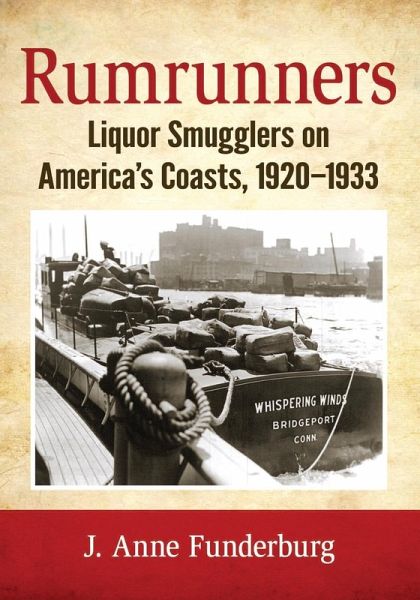
In 1920, the 18th Amendment made the production, transportation and sale of alcohol not merely illegal--it was unconstitutional. Yet no legislation could end the demand for alcohol. Enterprising rumrunners worked to meet that demand with cunning, courage, machineguns and speedboats powered by aircraft engines. They out-maneuvered the U.S. Coast Guard and risked their lives to deliver illicit liquor. Smugglers like Bill McCoy, the Bahama Queen, and the Gulf Stream Pirate, along with many others, ran operations along the U.S. coastline until Prohibition was repealed in 1933. Drawing on legal records, newspaper articles and Coast Guard files, this history describes how rumrunners battled the Dry Navy and corrupted U.S. law enforcement, in order to keep America wet.