
Andere Kunden interessierten sich auch für
 Russian Jews Between the Reds and the Whites, 1917-192087,99 €
 Reenvisioning Israel through Political Cartoons96,99 €
 Jewish City or Inferno of Russian Israel?39,99 €
 Jews and Christians in the Roman World233,99 €
 Israel in Egypt: The Land of Egypt as Concept and Reality for Jews in Antiquity and the Early Medieval Period222,99 €
 Confessions of a Contemplative Crossing Guard24,99 €
 Word and Image in Medieval Kabbalah148,99 €





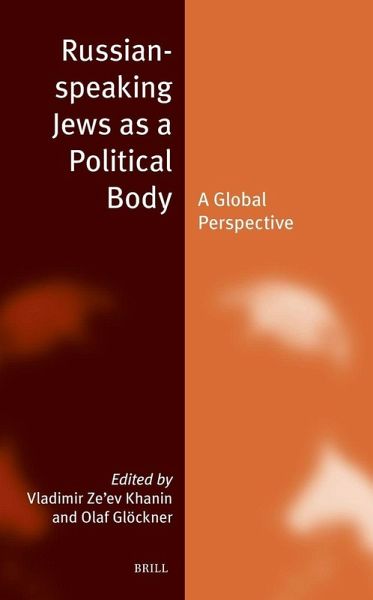
Since 1989 Russian-speaking Jews, often raised and socialized in the Soviet Union, have "dispersed" in great numbers to Western countries and Israel. Even there, they retain their own cultural and political identities. In this volume, prominent authors provide an impressive overview about how this strong transnational Jewish diaspora group participates in social life in North America, Israel, Europe and elsewhere, but also works to strengthen Jewish networks and communities. In many places Russian-speaking Jews are considered to be highly educated, politically keen, and anything but conflict-averse. This has resulted in an independent strand of contemporary Judaism.