
Andere Kunden interessierten sich auch für
 African Safari16,99 €
") The Pilgrim At Home (1886)27,99 €
The Pilgrim At Home (1886)27,99 € Magic & Miracles42,99 €
 Dreaming Synchronicity17,99 €
 Safari for the Soul46,99 €
 The Gospels of John The Watchman20,99 €
 Pilgrim65,99 €


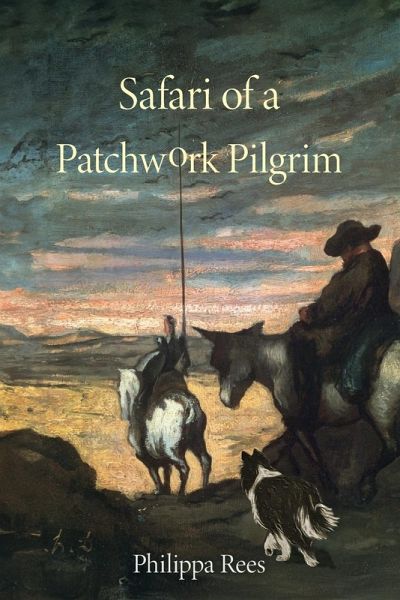
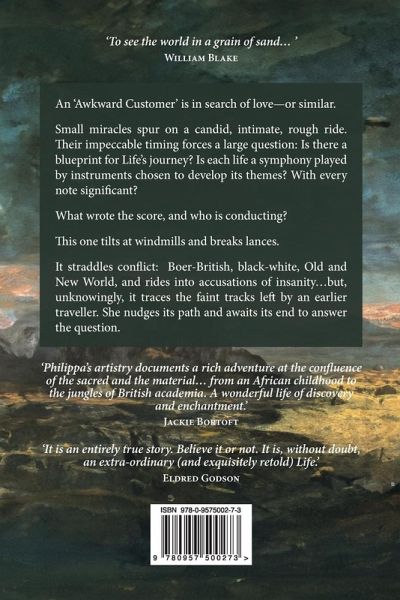
The price of finding love? Not less than everything. Philippa Rees, an 'ardent stoic', in search of love, recaptures A Life of extra-ordinary timely miracles, improbable encounters with vivid, brave characters, and wondrous wild places. Her bleak longing is stripped of illusions and then dressed for the loving embrace of the Love in search of her, the spontaneous, loving Creation which gifts an emerging writer the fortitude and vocabulary for something truly to write home about! Writing of this calibre is a rarity, as it is also to find an autobiography that goes far beyond the annals of ordinary experience to become a voyage of mythic proportion for both the author and the reader. ROBERT KNOWLES An only child, a burden to her single mother and born in South Africa in the middle of a war, the author had to discern life's purpose by living it. She rides through the widest emotional landscapes of contrast: the Apartheid conflict between black and white, between Boer and British, and the disconnect between African and European cultures, the generosity of strangers, the betrayal of friends, and rejection by family. Through all these fractured mirrors, the patchwork pilgrimage is towards the transcendent lovingness of Creation. We all have a lamp to trim for the coming of our bridegroom. This harrowing but often humorous chronicle (God tells good stories with both wit and parody) is one such Trimming. Its natural mysticism emerges like smoke from damp leaves. Only the companionship of a long-dead author, the inspiration of George Eliot and her nostalgic portraits of England's ancient antiquity and its unsung heroes kept her company, affirmed her independence of mind, and summoned her to make the poetic English language her own. Profound insights into spiritual and philosophical understanding are subtly woven throughout the beautifully written narrative. They will challenge your conventional beliefs and inspire recognition in your own life of your Perfection in the Commonplace. ' it is rare to find such an unflinching gaze - unsentimental but tender. Her prose is matchless and her characters live and breathe. I so enjoyed this book' JOBO on Amazon