- Broschiertes Buch
- Merkliste
- Auf die Merkliste
- Bewerten Bewerten
- Teilen
- Produkt teilen
- Produkterinnerung
- Produkterinnerung
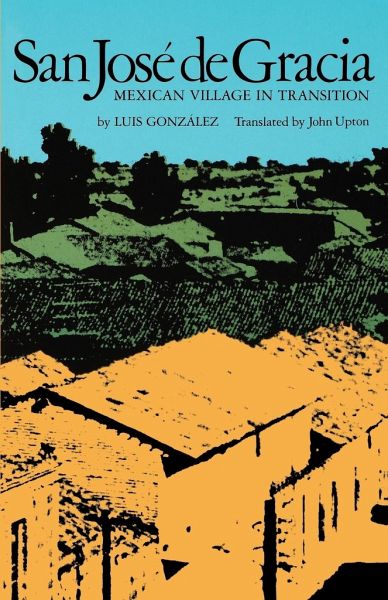
A classic history of the world of San Jose - the story of rural life anywhere, in any age
Andere Kunden interessierten sich auch für
Alfred J. LópezA Posthumous History of José Martí160,99 €
Tomás de Zárate Bravo de LagunaCorazón de padre : basado en la "Patris corde", del papa Francisco sobre san José9,49 €
Los silencios de San José13,99 €
Dolores y Gozos de San José11,99 €
Román Llamas MartínezEl Evangelio de San José16,99 €
José María García ÁlvarezLa capellanía y la ermita de San José de Requejo y Corús14,99 €
Jose AntonioJosé Antonio Primo de Rivera, Anthology of Speeches and Quotes19,99 €-
-
-
A classic history of the world of San Jose - the story of rural life anywhere, in any age
Produktdetails
- Produktdetails
- Texas Pan American Series
- Verlag: University of Texas Press
- Seitenzahl: 408
- Erscheinungstermin: 1. Januar 1974
- Englisch
- Abmessung: 216mm x 140mm x 24mm
- Gewicht: 522g
- ISBN-13: 9780292775718
- ISBN-10: 0292775717
- Artikelnr.: 21983599
- Herstellerkennzeichnung
- Libri GmbH
- Europaallee 1
- 36244 Bad Hersfeld
- gpsr@libri.de
- Texas Pan American Series
- Verlag: University of Texas Press
- Seitenzahl: 408
- Erscheinungstermin: 1. Januar 1974
- Englisch
- Abmessung: 216mm x 140mm x 24mm
- Gewicht: 522g
- ISBN-13: 9780292775718
- ISBN-10: 0292775717
- Artikelnr.: 21983599
- Herstellerkennzeichnung
- Libri GmbH
- Europaallee 1
- 36244 Bad Hersfeld
- gpsr@libri.de
By Luis González
1. Abbreviations
2. Prologue.
* A Delimitation and Justification of the Subject
* Some Remarks on Method
* Self-Defense, Self-Criticism, and Aims
* Note concerning the Second Edition
3. Three Beginnings
* The Mountain Landscape
* An Early History of Construction and Destruction
* A Society of Cowboys
4. Part One. Half a Century in Search of Communion
5. 1.The Ranchos (1861-1882)
* The Subdivision and Sale of the Cojumatlán Hacienda
* Economics of the Ranchos
* Ranching Society
* Religion, Games, and Insecurity
6. 2.The Town (1883-1900)
* The Generation of the Snowstorm
* The Founding of San José de Gracia
* The Great Fright of 1900
7. 3. The Ranchos and the Town (1901-1910)
* The Business World and Social Life
* Amusements and Religious Dutiesin Padre Othón's Small World
* Winds from the Outside World
* All in All, Half a Century of Peaceful and Orderly Progress
8. Part Two. Thirty Years of Suffering
9. 4. The Mexican Revolution (1910-1924)
* The Madero Revolution
* The Agents of Revolution in San José
* The Puntada Gang, José Inés Chivez Garcia, and the Spanish Influenza
* Gathering Clouds
10. 5. The Cristero Revolution (1925-1932)
* A Few Months Before
* The Uprising
* After Tizapin
* San José de Gracia Lifts Its Head Again
11. 6. The Agrarian Revolution (1933-1943)
* The Petitioners, the Petitioned, and the Apportioners of Land
* The Origin of Nine Ejidos
* Padre Federico Returns and President Cárdenas Comes to Call
* Incipit Vita Nova
* Thirty Years of Turmoil: Statistics and Concepts
12. Part Three. Twenty-five Years of Change
13. 7. Withdrawal and Expansion (1943-1956)
* At the Mercy of the Outside World
* The Symptoms of Transformation
* Seasonal Migration to the United States
* The Permanent Move to Mexico City
14. 8. From Yesterday to Today (1957-1967)
* Priority of the Economic Factor
* Health, Water, Electricity, Education, Telephones, and Television
* Two Hundred Words More about Change
* New Aspects of the Landscape and the Town
15. 9. The Upper Crust
* The Rich and the Middle-Income Group
* Politics from the Top Down, and Vice Versa
* Religion and Some of Its Environs
* Pleasurable Occasions and a Digression concerning Happiness
16. 10. The Underdogs
* Small Landowners and Men Who Work for Other Men
* The Woman Produces Children, Meals, and Art
* Today Many Youngsters Go to School
* Human Pests and Other Sources of Annoyance
17. Three Conclusions
* Timeless Things
* Sayings of Yesterday and Today
* A Small Epilogue and a Postscript
18. Glossary
19. Works Cited

2. Prologue.
* A Delimitation and Justification of the Subject
* Some Remarks on Method
* Self-Defense, Self-Criticism, and Aims
* Note concerning the Second Edition
3. Three Beginnings
* The Mountain Landscape
* An Early History of Construction and Destruction
* A Society of Cowboys
4. Part One. Half a Century in Search of Communion
5. 1.The Ranchos (1861-1882)
* The Subdivision and Sale of the Cojumatlán Hacienda
* Economics of the Ranchos
* Ranching Society
* Religion, Games, and Insecurity
6. 2.The Town (1883-1900)
* The Generation of the Snowstorm
* The Founding of San José de Gracia
* The Great Fright of 1900
7. 3. The Ranchos and the Town (1901-1910)
* The Business World and Social Life
* Amusements and Religious Dutiesin Padre Othón's Small World
* Winds from the Outside World
* All in All, Half a Century of Peaceful and Orderly Progress
8. Part Two. Thirty Years of Suffering
9. 4. The Mexican Revolution (1910-1924)
* The Madero Revolution
* The Agents of Revolution in San José
* The Puntada Gang, José Inés Chivez Garcia, and the Spanish Influenza
* Gathering Clouds
10. 5. The Cristero Revolution (1925-1932)
* A Few Months Before
* The Uprising
* After Tizapin
* San José de Gracia Lifts Its Head Again
11. 6. The Agrarian Revolution (1933-1943)
* The Petitioners, the Petitioned, and the Apportioners of Land
* The Origin of Nine Ejidos
* Padre Federico Returns and President Cárdenas Comes to Call
* Incipit Vita Nova
* Thirty Years of Turmoil: Statistics and Concepts
12. Part Three. Twenty-five Years of Change
13. 7. Withdrawal and Expansion (1943-1956)
* At the Mercy of the Outside World
* The Symptoms of Transformation
* Seasonal Migration to the United States
* The Permanent Move to Mexico City
14. 8. From Yesterday to Today (1957-1967)
* Priority of the Economic Factor
* Health, Water, Electricity, Education, Telephones, and Television
* Two Hundred Words More about Change
* New Aspects of the Landscape and the Town
15. 9. The Upper Crust
* The Rich and the Middle-Income Group
* Politics from the Top Down, and Vice Versa
* Religion and Some of Its Environs
* Pleasurable Occasions and a Digression concerning Happiness
16. 10. The Underdogs
* Small Landowners and Men Who Work for Other Men
* The Woman Produces Children, Meals, and Art
* Today Many Youngsters Go to School
* Human Pests and Other Sources of Annoyance
17. Three Conclusions
* Timeless Things
* Sayings of Yesterday and Today
* A Small Epilogue and a Postscript
18. Glossary
19. Works Cited
1. Abbreviations
2. Prologue.
* A Delimitation and Justification of the Subject
* Some Remarks on Method
* Self-Defense, Self-Criticism, and Aims
* Note concerning the Second Edition
3. Three Beginnings
* The Mountain Landscape
* An Early History of Construction and Destruction
* A Society of Cowboys
4. Part One. Half a Century in Search of Communion
5. 1.The Ranchos (1861-1882)
* The Subdivision and Sale of the Cojumatlán Hacienda
* Economics of the Ranchos
* Ranching Society
* Religion, Games, and Insecurity
6. 2.The Town (1883-1900)
* The Generation of the Snowstorm
* The Founding of San José de Gracia
* The Great Fright of 1900
7. 3. The Ranchos and the Town (1901-1910)
* The Business World and Social Life
* Amusements and Religious Dutiesin Padre Othón's Small World
* Winds from the Outside World
* All in All, Half a Century of Peaceful and Orderly Progress
8. Part Two. Thirty Years of Suffering
9. 4. The Mexican Revolution (1910-1924)
* The Madero Revolution
* The Agents of Revolution in San José
* The Puntada Gang, José Inés Chivez Garcia, and the Spanish Influenza
* Gathering Clouds
10. 5. The Cristero Revolution (1925-1932)
* A Few Months Before
* The Uprising
* After Tizapin
* San José de Gracia Lifts Its Head Again
11. 6. The Agrarian Revolution (1933-1943)
* The Petitioners, the Petitioned, and the Apportioners of Land
* The Origin of Nine Ejidos
* Padre Federico Returns and President Cárdenas Comes to Call
* Incipit Vita Nova
* Thirty Years of Turmoil: Statistics and Concepts
12. Part Three. Twenty-five Years of Change
13. 7. Withdrawal and Expansion (1943-1956)
* At the Mercy of the Outside World
* The Symptoms of Transformation
* Seasonal Migration to the United States
* The Permanent Move to Mexico City
14. 8. From Yesterday to Today (1957-1967)
* Priority of the Economic Factor
* Health, Water, Electricity, Education, Telephones, and Television
* Two Hundred Words More about Change
* New Aspects of the Landscape and the Town
15. 9. The Upper Crust
* The Rich and the Middle-Income Group
* Politics from the Top Down, and Vice Versa
* Religion and Some of Its Environs
* Pleasurable Occasions and a Digression concerning Happiness
16. 10. The Underdogs
* Small Landowners and Men Who Work for Other Men
* The Woman Produces Children, Meals, and Art
* Today Many Youngsters Go to School
* Human Pests and Other Sources of Annoyance
17. Three Conclusions
* Timeless Things
* Sayings of Yesterday and Today
* A Small Epilogue and a Postscript
18. Glossary
19. Works Cited
2. Prologue.
* A Delimitation and Justification of the Subject
* Some Remarks on Method
* Self-Defense, Self-Criticism, and Aims
* Note concerning the Second Edition
3. Three Beginnings
* The Mountain Landscape
* An Early History of Construction and Destruction
* A Society of Cowboys
4. Part One. Half a Century in Search of Communion
5. 1.The Ranchos (1861-1882)
* The Subdivision and Sale of the Cojumatlán Hacienda
* Economics of the Ranchos
* Ranching Society
* Religion, Games, and Insecurity
6. 2.The Town (1883-1900)
* The Generation of the Snowstorm
* The Founding of San José de Gracia
* The Great Fright of 1900
7. 3. The Ranchos and the Town (1901-1910)
* The Business World and Social Life
* Amusements and Religious Dutiesin Padre Othón's Small World
* Winds from the Outside World
* All in All, Half a Century of Peaceful and Orderly Progress
8. Part Two. Thirty Years of Suffering
9. 4. The Mexican Revolution (1910-1924)
* The Madero Revolution
* The Agents of Revolution in San José
* The Puntada Gang, José Inés Chivez Garcia, and the Spanish Influenza
* Gathering Clouds
10. 5. The Cristero Revolution (1925-1932)
* A Few Months Before
* The Uprising
* After Tizapin
* San José de Gracia Lifts Its Head Again
11. 6. The Agrarian Revolution (1933-1943)
* The Petitioners, the Petitioned, and the Apportioners of Land
* The Origin of Nine Ejidos
* Padre Federico Returns and President Cárdenas Comes to Call
* Incipit Vita Nova
* Thirty Years of Turmoil: Statistics and Concepts
12. Part Three. Twenty-five Years of Change
13. 7. Withdrawal and Expansion (1943-1956)
* At the Mercy of the Outside World
* The Symptoms of Transformation
* Seasonal Migration to the United States
* The Permanent Move to Mexico City
14. 8. From Yesterday to Today (1957-1967)
* Priority of the Economic Factor
* Health, Water, Electricity, Education, Telephones, and Television
* Two Hundred Words More about Change
* New Aspects of the Landscape and the Town
15. 9. The Upper Crust
* The Rich and the Middle-Income Group
* Politics from the Top Down, and Vice Versa
* Religion and Some of Its Environs
* Pleasurable Occasions and a Digression concerning Happiness
16. 10. The Underdogs
* Small Landowners and Men Who Work for Other Men
* The Woman Produces Children, Meals, and Art
* Today Many Youngsters Go to School
* Human Pests and Other Sources of Annoyance
17. Three Conclusions
* Timeless Things
* Sayings of Yesterday and Today
* A Small Epilogue and a Postscript
18. Glossary
19. Works Cited