
Nicht lieferbar

Andere Kunden interessierten sich auch für
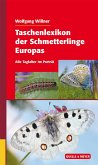
 Taschenlexikon der Schmetterlinge Europas24,95 €
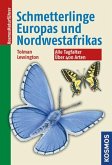
 Die Schmetterlinge Europas und Nordwestafrikas39,99 €
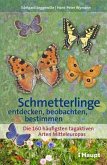
 Schmetterlinge entdecken, beobachten, bestimmen20,00 €
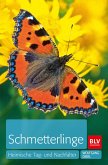
 Schmetterlinge4,95 €
 Taschenlexikon der Schmetterlinge Europas29,95 €
 Basic Schmetterlinge10,00 €
 Steinbachs Naturführer Schmetterlinge9,95 €
Settele et al., The Ulmer Nature Guide to ButterfliesThis comprehensive nature guide presents all the native non-alpine butterflies. In the descriptive profile section, every species is illustrated with several colour photographs of the adult butterfly, caterpillar and eggs, according to state-of-the-art scientific knowledge of the characteristics, biology and protection of the butterflies. Thanks to the updated distribution maps and life cycle diagrams, you'll be able to see at a glance where and when you can expect to find each species. Extra: the tabular section is a special feature - all the butterflies are shown life-size and in direct comparison with one another! Photographs of the upperside and underside of each species with clearly indicated distinguishing features make it easy to identify the butterflies quickly and unambiguously.