- Broschiertes Buch
- Merkliste
- Auf die Merkliste
- Bewerten Bewerten
- Teilen
- Produkt teilen
- Produkterinnerung
- Produkterinnerung
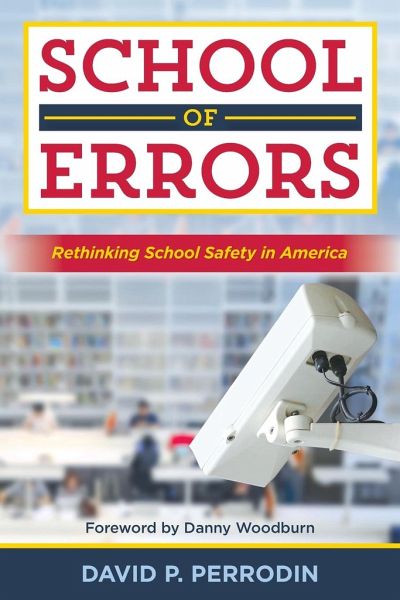
This is a book about school safety and disaster readiness.
Andere Kunden interessierten sich auch für
David P. PerrodinSchool of Errors39,99 €
Jeffrey D. YarbroughRedefining School Safety and Policing170,99 €
Avishan KeshavarzThe Impact of Instructional Programs27,99 €
Daniel Amoah-OppongAvoiding Errors for Better Writing29,99 €
Teresa NeidorfStudent Misconceptions and Errors in Physics and Mathematics38,99 €
Frank BurtnettCareer Errors37,99 €
Teresa NeidorfStudent Misconceptions and Errors in Physics and Mathematics38,99 €-
-
-
Produktdetails
- Produktdetails
- Verlag: Rowman & Littlefield Publishers
- Seitenzahl: 204
- Erscheinungstermin: 25. Juni 2022
- Englisch
- Abmessung: 229mm x 152mm x 12mm
- Gewicht: 339g
- ISBN-13: 9781475837452
- ISBN-10: 1475837453
- Artikelnr.: 64079206
- Herstellerkennzeichnung
- Libri GmbH
- Europaallee 1
- 36244 Bad Hersfeld
- gpsr@libri.de
- Verlag: Rowman & Littlefield Publishers
- Seitenzahl: 204
- Erscheinungstermin: 25. Juni 2022
- Englisch
- Abmessung: 229mm x 152mm x 12mm
- Gewicht: 339g
- ISBN-13: 9781475837452
- ISBN-10: 1475837453
- Artikelnr.: 64079206
- Herstellerkennzeichnung
- Libri GmbH
- Europaallee 1
- 36244 Bad Hersfeld
- gpsr@libri.de
David P. Perrodin, PhD, is an author, researcher, professor, and host of "The Safety Doc" podcast. Dr. Perrodin is a speech-language pathologist specializing in psycholinguistics. He has presented on PBS and written and directed a film about school safety with Pulitzer Prize winner David Obst. Dr. Perrodin is the author of the book School of Errors: Rethinking School Safety in America.
Foreword by Danny Woodburn
Preface
Acknowledgements
Introduction
Part One: The Torus
Chapter One: How Thinking About a Bagel Can Get You Through the Worst Day
of Your Life
Chapter Two: Exploration Is a Kind of Safety Drill
Chapter Three: Situational Awareness via Sensemaking, Your Sword and Shield
Chapter Four: Legacy Knowledge
Part Two: The Foolishness of Benchmarking
Chapter Five: Disasters Are the Real Snowflakes
Chapter Six: Another New Latin Word: Psychological Transference
Chapter Seven: So, What's Wrong with Benchmarking? Critical Decision-Making
in a Nonlinear World
Chapter Eight: Why Comparing Disasters Feels Too Good to Be True
Chapter Nine: One Variable, One Very Big Difference: the Internet
Chapter Ten: A Final Word on Schools and Benchmarking
Part Three: Drill Fidelity
Chapter Eleven: Fancy Drills Are Worse Than Useless
Chapter Twelve: The Right Way to Conduct a Drill: Critical Decision Making
in a Nonlinear World
Chapter Thirteen: Other Options: Tabletop Exercises and Focus Groups
Chapter Fourteen: What is a Tabletop Exercise?
Chapter Fifteen: Video Boondoggle
Chapter Sixteen: One More Don't: Professional Standards for Educational
Leaders (PSEL)
Part Four: Systems Will Develop, So Let Them
Chapter Seventeen: The Zen of Safety
Chapter Eighteen: Incident Command Structure
Chapter Nineteen: Tornadoes, Hurricanes, and the Fabulous Cajun Navy Relief
Chapter Twenty: Seeing Faces on the Moon: How Pareidolia Helped the Rescue
System on 9/11 Develop
Chapter Twenty-One: Transitioning into Chaos - How Increasing the "Noise"
Increases Options. Up to a Point
Chapter Twenty-Two: Hobbes's Leviathan Meets the Twin Towers
Part Five: How We Know What We Know. So Why Do These Systems Develop?
Chapter Twenty-Three: Simulated Annealing, or SA: How the Human Brain is
Specialized for Improvisation
Chapter Twenty-Four: Leadership Theories AH (After Hobbes)
Chapter Twenty-Five: Legacy Knowledge, Distributed Leadership, and Rookie
Teachers vs. Admiral Loy
Chapter Twenty-Six: Summary of What We Know
Part Six: The Future
Chapter Twenty-Seven: How Will Decisions Made in the Moment Be Studied? And
How Will Future Decisions Be Directed?
Chapter Twenty-Eight: Bollards and Planters: The Terrible Ideas That Are
Coming to a School Near You
Chapter Twenty-Nine: A Mile Wide and an Inch Deep
Chapter Thirty: Final Implications for School Leaders
Epilogue: Nothing Means Anything To Anyone Until It Means Everything To You
References
Index
Meet the Author

Preface
Acknowledgements
Introduction
Part One: The Torus
Chapter One: How Thinking About a Bagel Can Get You Through the Worst Day
of Your Life
Chapter Two: Exploration Is a Kind of Safety Drill
Chapter Three: Situational Awareness via Sensemaking, Your Sword and Shield
Chapter Four: Legacy Knowledge
Part Two: The Foolishness of Benchmarking
Chapter Five: Disasters Are the Real Snowflakes
Chapter Six: Another New Latin Word: Psychological Transference
Chapter Seven: So, What's Wrong with Benchmarking? Critical Decision-Making
in a Nonlinear World
Chapter Eight: Why Comparing Disasters Feels Too Good to Be True
Chapter Nine: One Variable, One Very Big Difference: the Internet
Chapter Ten: A Final Word on Schools and Benchmarking
Part Three: Drill Fidelity
Chapter Eleven: Fancy Drills Are Worse Than Useless
Chapter Twelve: The Right Way to Conduct a Drill: Critical Decision Making
in a Nonlinear World
Chapter Thirteen: Other Options: Tabletop Exercises and Focus Groups
Chapter Fourteen: What is a Tabletop Exercise?
Chapter Fifteen: Video Boondoggle
Chapter Sixteen: One More Don't: Professional Standards for Educational
Leaders (PSEL)
Part Four: Systems Will Develop, So Let Them
Chapter Seventeen: The Zen of Safety
Chapter Eighteen: Incident Command Structure
Chapter Nineteen: Tornadoes, Hurricanes, and the Fabulous Cajun Navy Relief
Chapter Twenty: Seeing Faces on the Moon: How Pareidolia Helped the Rescue
System on 9/11 Develop
Chapter Twenty-One: Transitioning into Chaos - How Increasing the "Noise"
Increases Options. Up to a Point
Chapter Twenty-Two: Hobbes's Leviathan Meets the Twin Towers
Part Five: How We Know What We Know. So Why Do These Systems Develop?
Chapter Twenty-Three: Simulated Annealing, or SA: How the Human Brain is
Specialized for Improvisation
Chapter Twenty-Four: Leadership Theories AH (After Hobbes)
Chapter Twenty-Five: Legacy Knowledge, Distributed Leadership, and Rookie
Teachers vs. Admiral Loy
Chapter Twenty-Six: Summary of What We Know
Part Six: The Future
Chapter Twenty-Seven: How Will Decisions Made in the Moment Be Studied? And
How Will Future Decisions Be Directed?
Chapter Twenty-Eight: Bollards and Planters: The Terrible Ideas That Are
Coming to a School Near You
Chapter Twenty-Nine: A Mile Wide and an Inch Deep
Chapter Thirty: Final Implications for School Leaders
Epilogue: Nothing Means Anything To Anyone Until It Means Everything To You
References
Index
Meet the Author
Foreword by Danny Woodburn
Preface
Acknowledgements
Introduction
Part One: The Torus
Chapter One: How Thinking About a Bagel Can Get You Through the Worst Day
of Your Life
Chapter Two: Exploration Is a Kind of Safety Drill
Chapter Three: Situational Awareness via Sensemaking, Your Sword and Shield
Chapter Four: Legacy Knowledge
Part Two: The Foolishness of Benchmarking
Chapter Five: Disasters Are the Real Snowflakes
Chapter Six: Another New Latin Word: Psychological Transference
Chapter Seven: So, What's Wrong with Benchmarking? Critical Decision-Making
in a Nonlinear World
Chapter Eight: Why Comparing Disasters Feels Too Good to Be True
Chapter Nine: One Variable, One Very Big Difference: the Internet
Chapter Ten: A Final Word on Schools and Benchmarking
Part Three: Drill Fidelity
Chapter Eleven: Fancy Drills Are Worse Than Useless
Chapter Twelve: The Right Way to Conduct a Drill: Critical Decision Making
in a Nonlinear World
Chapter Thirteen: Other Options: Tabletop Exercises and Focus Groups
Chapter Fourteen: What is a Tabletop Exercise?
Chapter Fifteen: Video Boondoggle
Chapter Sixteen: One More Don't: Professional Standards for Educational
Leaders (PSEL)
Part Four: Systems Will Develop, So Let Them
Chapter Seventeen: The Zen of Safety
Chapter Eighteen: Incident Command Structure
Chapter Nineteen: Tornadoes, Hurricanes, and the Fabulous Cajun Navy Relief
Chapter Twenty: Seeing Faces on the Moon: How Pareidolia Helped the Rescue
System on 9/11 Develop
Chapter Twenty-One: Transitioning into Chaos - How Increasing the "Noise"
Increases Options. Up to a Point
Chapter Twenty-Two: Hobbes's Leviathan Meets the Twin Towers
Part Five: How We Know What We Know. So Why Do These Systems Develop?
Chapter Twenty-Three: Simulated Annealing, or SA: How the Human Brain is
Specialized for Improvisation
Chapter Twenty-Four: Leadership Theories AH (After Hobbes)
Chapter Twenty-Five: Legacy Knowledge, Distributed Leadership, and Rookie
Teachers vs. Admiral Loy
Chapter Twenty-Six: Summary of What We Know
Part Six: The Future
Chapter Twenty-Seven: How Will Decisions Made in the Moment Be Studied? And
How Will Future Decisions Be Directed?
Chapter Twenty-Eight: Bollards and Planters: The Terrible Ideas That Are
Coming to a School Near You
Chapter Twenty-Nine: A Mile Wide and an Inch Deep
Chapter Thirty: Final Implications for School Leaders
Epilogue: Nothing Means Anything To Anyone Until It Means Everything To You
References
Index
Meet the Author
Preface
Acknowledgements
Introduction
Part One: The Torus
Chapter One: How Thinking About a Bagel Can Get You Through the Worst Day
of Your Life
Chapter Two: Exploration Is a Kind of Safety Drill
Chapter Three: Situational Awareness via Sensemaking, Your Sword and Shield
Chapter Four: Legacy Knowledge
Part Two: The Foolishness of Benchmarking
Chapter Five: Disasters Are the Real Snowflakes
Chapter Six: Another New Latin Word: Psychological Transference
Chapter Seven: So, What's Wrong with Benchmarking? Critical Decision-Making
in a Nonlinear World
Chapter Eight: Why Comparing Disasters Feels Too Good to Be True
Chapter Nine: One Variable, One Very Big Difference: the Internet
Chapter Ten: A Final Word on Schools and Benchmarking
Part Three: Drill Fidelity
Chapter Eleven: Fancy Drills Are Worse Than Useless
Chapter Twelve: The Right Way to Conduct a Drill: Critical Decision Making
in a Nonlinear World
Chapter Thirteen: Other Options: Tabletop Exercises and Focus Groups
Chapter Fourteen: What is a Tabletop Exercise?
Chapter Fifteen: Video Boondoggle
Chapter Sixteen: One More Don't: Professional Standards for Educational
Leaders (PSEL)
Part Four: Systems Will Develop, So Let Them
Chapter Seventeen: The Zen of Safety
Chapter Eighteen: Incident Command Structure
Chapter Nineteen: Tornadoes, Hurricanes, and the Fabulous Cajun Navy Relief
Chapter Twenty: Seeing Faces on the Moon: How Pareidolia Helped the Rescue
System on 9/11 Develop
Chapter Twenty-One: Transitioning into Chaos - How Increasing the "Noise"
Increases Options. Up to a Point
Chapter Twenty-Two: Hobbes's Leviathan Meets the Twin Towers
Part Five: How We Know What We Know. So Why Do These Systems Develop?
Chapter Twenty-Three: Simulated Annealing, or SA: How the Human Brain is
Specialized for Improvisation
Chapter Twenty-Four: Leadership Theories AH (After Hobbes)
Chapter Twenty-Five: Legacy Knowledge, Distributed Leadership, and Rookie
Teachers vs. Admiral Loy
Chapter Twenty-Six: Summary of What We Know
Part Six: The Future
Chapter Twenty-Seven: How Will Decisions Made in the Moment Be Studied? And
How Will Future Decisions Be Directed?
Chapter Twenty-Eight: Bollards and Planters: The Terrible Ideas That Are
Coming to a School Near You
Chapter Twenty-Nine: A Mile Wide and an Inch Deep
Chapter Thirty: Final Implications for School Leaders
Epilogue: Nothing Means Anything To Anyone Until It Means Everything To You
References
Index
Meet the Author