
Andere Kunden interessierten sich auch für
 Message of Sciences and Harbingers of Scientific Life in Ancient Egypt43,99 €
 The Concept of henu: Gesture of Praise and Veneration in Ancient Egypt56,99 €
 Revolution in Time and Timing in Ancient Egypt61,99 €
 Obstetrics and Gynaecology of Ancient Egypt55,99 €
 Stolen Legacy14,99 €
 Highlights on Ancient Egyptian Coffins, Characterization and Treatment24,99 €
 Pharaoh Ehnaton18,99 €

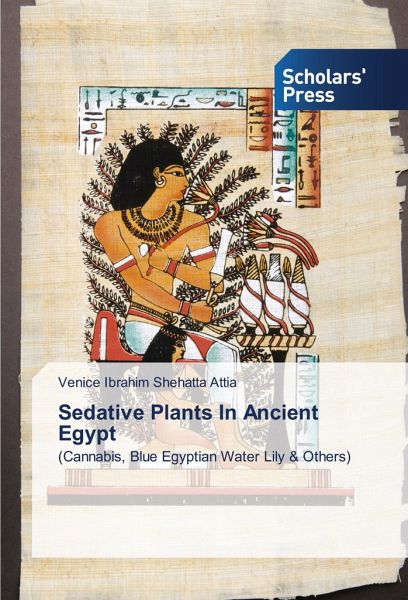
There is a lot and versatile evidences showing several kinds of sedative (narcotic) plants that was used in ancient Egypt. Egyptologists confirm making it clear that uses of narcotics varied from practical daily life uses (mood boost) to religious use (incense offered to the Gods), besides being mainly and widely used medically as a treatment of various ailments. Some references points to the existence and uses of sedative plant flowers in ancient Egypt such as those found inscribed on the Pyramid texts, also traces of Hemp and Cannabis material is said to being found in the tomb of the Egyptian Pharaoh Akhenaten. Ancient Egyptian physicians undoubtedly knew the fact that blue water lily, cannabis, datura, mandrake and poppy were pain killers.