
Andere Kunden interessierten sich auch für
 The Seductive Coast, Poems Lyrical and Descriptive From Western Africa30,99 €
 The urban development of Mossoró24,99 €
 Sketches of the history of Israel's combat aviation40,99 €
 Some streets of history41,99 €
 Death, the living and the image33,99 €
 THE PIG: SILENT WITNESS TO WESTERN DOMINANCE IN AMERICA29,99 €
 On the history of the Bukhara School of Calligraphy and Book Publishing56,99 €



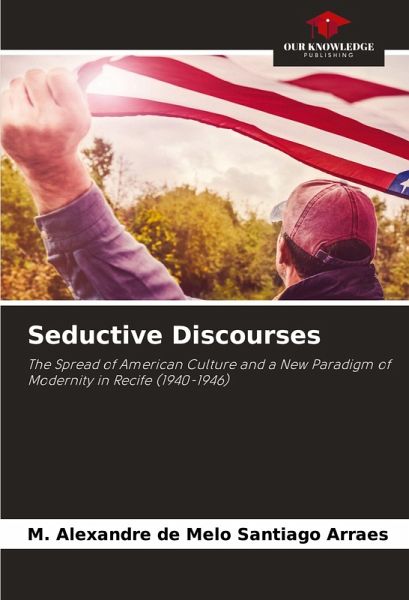
Faced with the backdrop of international conflicts during the 1940s, the people of Recife began to live with a strong presence of soldiers, propaganda, and American products in their daily lives, which established a new front in the war. Although they did not participate directly, they felt its effects indirectly in their daily lives: in customs and paradigms. Modernity, which had arrived in the city in the early decades of the century and followed the European model, no longer functioned in the face of an intense bombardment of new ideas, products, and ways of life brought about by the US and its American way of life. Aided by a well-structured propaganda complex and seductive images of freedom, abundance, simplicity, etc., this country established a new paradigm in Brazil and in Recife in particular, which coexisted daily with some representatives of this new ideal. This book proposes an analysis of the discursive structures that supported this new paradigm of behavior, creating new possibilities for subjectivation, seeking to show the new statements of modernity and point out the changes in the daily life of the city of Recife during the first half of the 1940s.