Professor Pierre-Yves Donze (Japan Osaka University)
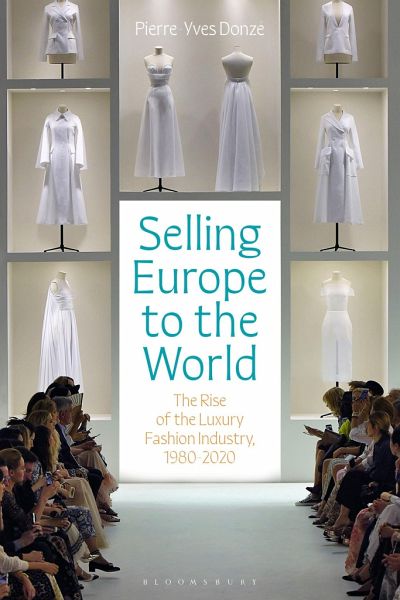
Selling Europe to the World
The Rise of the Luxury Fashion Industry, 1980-2020
Professor Pierre-Yves Donze (Japan Osaka University)
Selling Europe to the World
The Rise of the Luxury Fashion Industry, 1980-2020
- Broschiertes Buch
- Merkliste
- Auf die Merkliste
- Bewerten Bewerten
- Teilen
- Produkt teilen
- Produkterinnerung
- Produkterinnerung
The first book to explain why and how European companies have dominated the global luxury industry since the 1980s.
Andere Kunden interessierten sich auch für
Stacy KleinAn Alchemy of Living Culture30,99 €
Ryan CunninghamF-16 Fighting Falcon19,99 €
Sally SpencerThe Final Beat of the Drum25,99 €
Sally SpencerThe Final Beat of the Drum23,99 €
Rob ParkerThe Troubled Deep18,99 €
Rob ParkerThe Troubled Deep12,99 €
Martina Caruso (University of the Arts, London, UK)Italian Humanist Photography from Fascism to the Cold War130,99 €-
-
-
The first book to explain why and how European companies have dominated the global luxury industry since the 1980s.
Produktdetails
- Produktdetails
- Verlag: Bloomsbury Publishing PLC
- Seitenzahl: 184
- Erscheinungstermin: 9. März 2023
- Englisch
- Abmessung: 233mm x 157mm x 15mm
- Gewicht: 396g
- ISBN-13: 9781350335783
- ISBN-10: 1350335789
- Artikelnr.: 66156085
- Herstellerkennzeichnung
- Libri GmbH
- Europaallee 1
- 36244 Bad Hersfeld
- gpsr@libri.de
- Verlag: Bloomsbury Publishing PLC
- Seitenzahl: 184
- Erscheinungstermin: 9. März 2023
- Englisch
- Abmessung: 233mm x 157mm x 15mm
- Gewicht: 396g
- ISBN-13: 9781350335783
- ISBN-10: 1350335789
- Artikelnr.: 66156085
- Herstellerkennzeichnung
- Libri GmbH
- Europaallee 1
- 36244 Bad Hersfeld
- gpsr@libri.de
Pierre-Yves Donzé is Professor of Business History at Osaka University, Japan, and a visiting professor at the University of Fribourg, Switzerland. His research focuses on the business history of creative industries (watchmaking, fashion, and luxury) and multinational enterprises. He is the author of numerous books, edited volumes and academic articles published in English, French, German, Italian and Japanese.
Acknowledgements Introduction PART I: THE BIRTH OF THE GLOBAL LUXURY
INDUSTRY 1. Globalization of Markets French Leather Goods Exports Accessing
the Japanese Market Accessing the Chinese Market Democratization of Luxury
and Globalization Conclusion 2. The Dominance of Big Business A Key
Resource: Money The Dominance of European Societies Sectoral and National
Specialization Conclusion 3. New Marketing Strategies Based On Brand
Heritage History, Heritage and Storytelling The Rise of a Luxury Brand In
The Global Market: Christian Dior Building the Dior Heritage Conclusion
PART II: THE ACTORS OF THE GLOBAL LUXURY INDUSTRY 4. A Dominant Player -The
Diversified Conglomerates Moët Hennessy-Louis Vuitton (LVMH) Compagnie
Financière Richemont Kering The Competitive Advantage of Luxury
Conglomerates Conclusion 5. The Independent Family Business -Italian
Fashion From Haute Couture to Fashion Group: Giorgio Armani Characteristics
of The Italian Fashion Industry A Large, Diversified Luxury Company:
Ermenegildo Zegna A Small Specialist Fashion Company: Aeffe The Failure of
Italian Family Capitalism: Gucci And Bulgari Conclusion 6. Industrial
Groups A Giant in the Cosmetics Industry: L'Oréal A Producer of Luxury
Accessories: Luxottica The Challenge of Perfumery and the Rise of Inter
Parfums Conclusion 7. Brands with Deep Regional Roots The World's Largest
Jeweller: Chow Tai Fook Jewellery From Watches to Jewellery: Titan
Industries Japanese Cosmetics Manufacturers Conclusion 8. The New Luxury
Brands Revival of "Sleeping Beauties": Blancpain The Rise of Casual Luxury:
Ralph Lauren Technological Innovation as a Source Of Luxury: Hublot And
Richard Mille Conclusion Conclusion Bibliography
INDUSTRY 1. Globalization of Markets French Leather Goods Exports Accessing
the Japanese Market Accessing the Chinese Market Democratization of Luxury
and Globalization Conclusion 2. The Dominance of Big Business A Key
Resource: Money The Dominance of European Societies Sectoral and National
Specialization Conclusion 3. New Marketing Strategies Based On Brand
Heritage History, Heritage and Storytelling The Rise of a Luxury Brand In
The Global Market: Christian Dior Building the Dior Heritage Conclusion
PART II: THE ACTORS OF THE GLOBAL LUXURY INDUSTRY 4. A Dominant Player -The
Diversified Conglomerates Moët Hennessy-Louis Vuitton (LVMH) Compagnie
Financière Richemont Kering The Competitive Advantage of Luxury
Conglomerates Conclusion 5. The Independent Family Business -Italian
Fashion From Haute Couture to Fashion Group: Giorgio Armani Characteristics
of The Italian Fashion Industry A Large, Diversified Luxury Company:
Ermenegildo Zegna A Small Specialist Fashion Company: Aeffe The Failure of
Italian Family Capitalism: Gucci And Bulgari Conclusion 6. Industrial
Groups A Giant in the Cosmetics Industry: L'Oréal A Producer of Luxury
Accessories: Luxottica The Challenge of Perfumery and the Rise of Inter
Parfums Conclusion 7. Brands with Deep Regional Roots The World's Largest
Jeweller: Chow Tai Fook Jewellery From Watches to Jewellery: Titan
Industries Japanese Cosmetics Manufacturers Conclusion 8. The New Luxury
Brands Revival of "Sleeping Beauties": Blancpain The Rise of Casual Luxury:
Ralph Lauren Technological Innovation as a Source Of Luxury: Hublot And
Richard Mille Conclusion Conclusion Bibliography
Acknowledgements Introduction PART I: THE BIRTH OF THE GLOBAL LUXURY
INDUSTRY 1. Globalization of Markets French Leather Goods Exports Accessing
the Japanese Market Accessing the Chinese Market Democratization of Luxury
and Globalization Conclusion 2. The Dominance of Big Business A Key
Resource: Money The Dominance of European Societies Sectoral and National
Specialization Conclusion 3. New Marketing Strategies Based On Brand
Heritage History, Heritage and Storytelling The Rise of a Luxury Brand In
The Global Market: Christian Dior Building the Dior Heritage Conclusion
PART II: THE ACTORS OF THE GLOBAL LUXURY INDUSTRY 4. A Dominant Player -The
Diversified Conglomerates Moët Hennessy-Louis Vuitton (LVMH) Compagnie
Financière Richemont Kering The Competitive Advantage of Luxury
Conglomerates Conclusion 5. The Independent Family Business -Italian
Fashion From Haute Couture to Fashion Group: Giorgio Armani Characteristics
of The Italian Fashion Industry A Large, Diversified Luxury Company:
Ermenegildo Zegna A Small Specialist Fashion Company: Aeffe The Failure of
Italian Family Capitalism: Gucci And Bulgari Conclusion 6. Industrial
Groups A Giant in the Cosmetics Industry: L'Oréal A Producer of Luxury
Accessories: Luxottica The Challenge of Perfumery and the Rise of Inter
Parfums Conclusion 7. Brands with Deep Regional Roots The World's Largest
Jeweller: Chow Tai Fook Jewellery From Watches to Jewellery: Titan
Industries Japanese Cosmetics Manufacturers Conclusion 8. The New Luxury
Brands Revival of "Sleeping Beauties": Blancpain The Rise of Casual Luxury:
Ralph Lauren Technological Innovation as a Source Of Luxury: Hublot And
Richard Mille Conclusion Conclusion Bibliography
INDUSTRY 1. Globalization of Markets French Leather Goods Exports Accessing
the Japanese Market Accessing the Chinese Market Democratization of Luxury
and Globalization Conclusion 2. The Dominance of Big Business A Key
Resource: Money The Dominance of European Societies Sectoral and National
Specialization Conclusion 3. New Marketing Strategies Based On Brand
Heritage History, Heritage and Storytelling The Rise of a Luxury Brand In
The Global Market: Christian Dior Building the Dior Heritage Conclusion
PART II: THE ACTORS OF THE GLOBAL LUXURY INDUSTRY 4. A Dominant Player -The
Diversified Conglomerates Moët Hennessy-Louis Vuitton (LVMH) Compagnie
Financière Richemont Kering The Competitive Advantage of Luxury
Conglomerates Conclusion 5. The Independent Family Business -Italian
Fashion From Haute Couture to Fashion Group: Giorgio Armani Characteristics
of The Italian Fashion Industry A Large, Diversified Luxury Company:
Ermenegildo Zegna A Small Specialist Fashion Company: Aeffe The Failure of
Italian Family Capitalism: Gucci And Bulgari Conclusion 6. Industrial
Groups A Giant in the Cosmetics Industry: L'Oréal A Producer of Luxury
Accessories: Luxottica The Challenge of Perfumery and the Rise of Inter
Parfums Conclusion 7. Brands with Deep Regional Roots The World's Largest
Jeweller: Chow Tai Fook Jewellery From Watches to Jewellery: Titan
Industries Japanese Cosmetics Manufacturers Conclusion 8. The New Luxury
Brands Revival of "Sleeping Beauties": Blancpain The Rise of Casual Luxury:
Ralph Lauren Technological Innovation as a Source Of Luxury: Hublot And
Richard Mille Conclusion Conclusion Bibliography