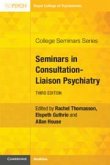
A highly readable and comprehensive account of the main forms of psychological therapies, their techniques and theoretical underpinnings. The psychological aspects of a bio-psycho-social approach to psychiatry are described with clear case examples. Relevant to all psychiatrists, mental health practitioners, and trainees preparing for exams.
A highly readable and comprehensive account of the main forms of psychological therapies, their techniques and theoretical underpinnings. The psychological aspects of a bio-psycho-social approach to psychiatry are described with clear case examples. Relevant to all psychiatrists, mental health practitioners, and trainees preparing for exams.
Part I. Therapy Theory and Practice; Section 1. Psychodynamic Psychotherapy: 1. Psychodynamic theory: the development of a model of the mind Jo O'Reilly; 2. A psychodynamic approach to psychiatry Jo O'Reilly; 3. Referral for psychodynamic psychotherapy: processes and considerations Jo O'Reilly; 4. Psychodynamic psychotherapy: the consultation process Jo O'Reilly; 5. Psychological models for case formulation Rachel Gibbons; 6. Psychodynamic psychotherapy practice: an introduction Rachel Gibbons; Section 2. Other Forms of Psychotherapy: 7. Cognitive behavioural therapy and dialectical behavioural therapy: an introduction PJ Saju; 8. Brief psychodynamic psychotherapies Frank Margaison; 9. Systemic family therapy PJ Saju; 10. Cognitive analytic therapy (Cat): developing the model and the method Jason Hepple; 11. Group analytic psychotherapy and the group analytic model a clinician's guide Maria Papanastassiou; 12. Mentalizing in psychiatric practice Anthony Bateman; Part II. Applied Psychotherapeutic Thinking; Section 1. Psychological and Psychodynamic Approaches to Psychiatry: 13. Psychological approaches to affective disorders Sue Stuart Smith; 14. Psychological approaches to psychosis Jo O'Reilly; 15. Personality disorder Tennyson Lee; 16. Complex post-traumatic stress disorder Jo Stubley; 17. Psychological approaches to medical unexplained symptoms Simon Heyland; 18. The psychodynamics self-harm Rachel Gibbons; 19. Psychodynamic aspects of suicide and homicide Rachel Gibbons and Gwen Adshead; 20. Forensic psychotherapy Jessica Yateley; Section 2. Work in Practice: 21. The effect on staff and organisations of working with patients with psychotic illness Rachel Gibbons; 22. Introduction to organisational dynamics Phil Stokoe; 23. Reflective practice and its central place in mental health care Maria Eyes; 24. Working psychotherapeutically with children Margot Waddell; 25. Therapeutic communities Steve Pearce; Section 3. Contemporary Developments: 26. The open dialogue approach Miomir Milovanovic; 27. Neuropsychoanalysis and relational neuroscience Sue Mizen; 28. Psychedelic-assisted psychotherapy Tim Read; 29. Psychotherapeutic development through the life of the psychiatrist William Burbrige-James.
Part I. Therapy Theory and Practice; Section 1. Psychodynamic Psychotherapy: 1. Psychodynamic theory: the development of a model of the mind Jo O'Reilly; 2. A psychodynamic approach to psychiatry Jo O'Reilly; 3. Referral for psychodynamic psychotherapy: processes and considerations Jo O'Reilly; 4. Psychodynamic psychotherapy: the consultation process Jo O'Reilly; 5. Psychological models for case formulation Rachel Gibbons; 6. Psychodynamic psychotherapy practice: an introduction Rachel Gibbons; Section 2. Other Forms of Psychotherapy: 7. Cognitive behavioural therapy and dialectical behavioural therapy: an introduction PJ Saju; 8. Brief psychodynamic psychotherapies Frank Margaison; 9. Systemic family therapy PJ Saju; 10. Cognitive analytic therapy (Cat): developing the model and the method Jason Hepple; 11. Group analytic psychotherapy and the group analytic model a clinician's guide Maria Papanastassiou; 12. Mentalizing in psychiatric practice Anthony Bateman; Part II. Applied Psychotherapeutic Thinking; Section 1. Psychological and Psychodynamic Approaches to Psychiatry: 13. Psychological approaches to affective disorders Sue Stuart Smith; 14. Psychological approaches to psychosis Jo O'Reilly; 15. Personality disorder Tennyson Lee; 16. Complex post-traumatic stress disorder Jo Stubley; 17. Psychological approaches to medical unexplained symptoms Simon Heyland; 18. The psychodynamics self-harm Rachel Gibbons; 19. Psychodynamic aspects of suicide and homicide Rachel Gibbons and Gwen Adshead; 20. Forensic psychotherapy Jessica Yateley; Section 2. Work in Practice: 21. The effect on staff and organisations of working with patients with psychotic illness Rachel Gibbons; 22. Introduction to organisational dynamics Phil Stokoe; 23. Reflective practice and its central place in mental health care Maria Eyes; 24. Working psychotherapeutically with children Margot Waddell; 25. Therapeutic communities Steve Pearce; Section 3. Contemporary Developments: 26. The open dialogue approach Miomir Milovanovic; 27. Neuropsychoanalysis and relational neuroscience Sue Mizen; 28. Psychedelic-assisted psychotherapy Tim Read; 29. Psychotherapeutic development through the life of the psychiatrist William Burbrige-James.
Es gelten unsere Allgemeinen Geschäftsbedingungen: www.buecher.de/agb
Impressum
www.buecher.de ist ein Internetauftritt der buecher.de internetstores GmbH
Geschäftsführung: Monica Sawhney | Roland Kölbl | Günter Hilger
Sitz der Gesellschaft: Batheyer Straße 115 - 117, 58099 Hagen
Postanschrift: Bürgermeister-Wegele-Str. 12, 86167 Augsburg
Amtsgericht Hagen HRB 13257
Steuernummer: 321/5800/1497
USt-IdNr: DE450055826