
Andere Kunden interessierten sich auch für
 Seneca the Elder40,99 €
 Seneca His Tenne Tragedies25,99 €
 Seneca35,99 €
 Seneca zum Vergnügen7,00 €
") A Centennial Biographical History Of Seneca County, Ohio V2 (1902)25,99 €
A Centennial Biographical History Of Seneca County, Ohio V2 (1902)25,99 €") De Christelycke Seneca (1659)22,99 €
De Christelycke Seneca (1659)22,99 €") Il Filosofo Cortigiano, O Sia Il Seneca (1675)14,99 €
Il Filosofo Cortigiano, O Sia Il Seneca (1675)14,99 €


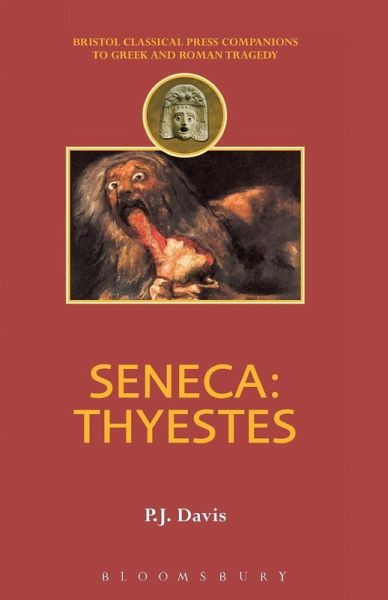
Written in Nero's Rome in about AD 62, Seneca's Thyestes is one of the greatest and most influential of classical tragedies. As the bloodiest work in the Greco-Roman canon, Thyestes was long reviled for its depiction of savage violence and for its representation of human bestiality. Peter Davis argues that the play needs to be understood as the response of a major politician, philosopher and tragic poet to the increasingly tyrannical rule of the emperor. In this companion he explores key aspects of the play, including the circumstances of its composition, its performance history and its impact on subsequent dramatists, including Shakespeare and Jonson.