
- Broschiertes Buch
- Merkliste
- Auf die Merkliste
- Bewerten Bewerten
- Teilen
- Produkt teilen
- Produkterinnerung
- Produkterinnerung
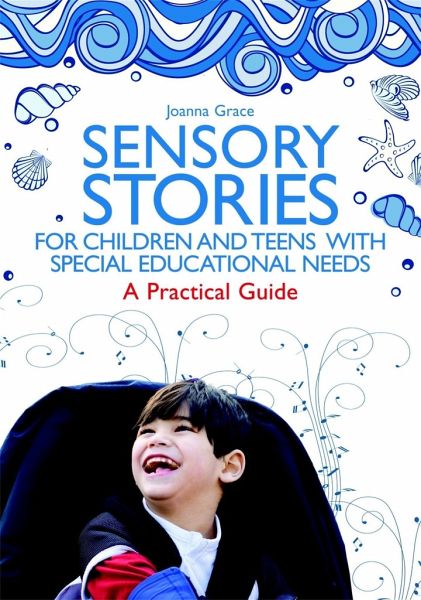
Sensory Stories are an effective tool for teaching and communicating with children with PMLD, autism, and other special educational needs. This useful book explains how sensory stimulation can aid development and provides a wealth of resources for using Sensory Stories at home, in the classroom, and advice on adapting and creating new stories.
Andere Kunden interessierten sich auch für
 Joanna GraceSensory Stories to Support Additional Needs40,99 €
 Kim GriffinSuccess with Sensory Supports28,99 €
 Joanna GraceSharing Sensory Stories and Conversations with People with Dementia38,99 €
 Sue LarkeyPractical Sensory Programmes45,99 €
 Tanya Van DalenSensory Parenting for Sensory Children26,99 €
 Diarmuid HeffernanSensory Issues for Adults with Autism Spectrum Disorder27,99 €
 Sarah LloydImproving Sensory Processing in Traumatized Children23,99 €
-
-
-
Sensory Stories are an effective tool for teaching and communicating with children with PMLD, autism, and other special educational needs. This useful book explains how sensory stimulation can aid development and provides a wealth of resources for using Sensory Stories at home, in the classroom, and advice on adapting and creating new stories.
Produktdetails
- Produktdetails
- Verlag: Jessica Kingsley Publishers
- Seitenzahl: 248
- Erscheinungstermin: 21. Oktober 2014
- Englisch
- Abmessung: 246mm x 172mm x 17mm
- Gewicht: 450g
- ISBN-13: 9781849054843
- ISBN-10: 1849054843
- Artikelnr.: 41079445
- Herstellerkennzeichnung
- Libri GmbH
- Europaallee 1
- 36244 Bad Hersfeld
- gpsr@libri.de
- Verlag: Jessica Kingsley Publishers
- Seitenzahl: 248
- Erscheinungstermin: 21. Oktober 2014
- Englisch
- Abmessung: 246mm x 172mm x 17mm
- Gewicht: 450g
- ISBN-13: 9781849054843
- ISBN-10: 1849054843
- Artikelnr.: 41079445
- Herstellerkennzeichnung
- Libri GmbH
- Europaallee 1
- 36244 Bad Hersfeld
- gpsr@libri.de
Joanna Grace
Introduction. What is a Sensory Story? How I discovered Sensory Stories.
About this Book. Part I: Background. 1. The importance of sensory
stimulation. Sensory stimulation and children with physical or sensory
impairments. Our senses - the famous five, plus two. What makes for strong
sensory stimuli? 2. The Significance of Narrative. Why combine sensory
stimulation and storytelling? What can you say in ten sentences? Part 2:
Sharing Sensory Stories with Individuals. 3. How to share a sensory story.
Maintaining consistency when telling sensory stories. Tips for consistent
sharing of sensory stories. 4. PMLD, labelling and the role sensory stories
have to play in inclusion. Sharing sensory stories with individuals with
profound and multiple learning disabilities (PMLD). Confidence in the
world. 5. Sensory Processing Disorder (SPD). Sensory processing disorder
and sensory stories. Sensory stories as a way of introducing and becoming
accustomed to stimuli. Sensory stories as a way to rehearse responses to
stimuli. Sensory stories' role in addressing eating difficulties. 6.
Sensory stories and... . ...individuals with Autism Spectrum Disorder
(ASD). ...individuals with Attention Deficit Hyperactivity Disorder (ADHD).
...individuals with sensory impairments. ...individuals with communication
difficulties. ...individuals with memory difficulties. ...individuals with
physical impairments. ...individuals with mental health difficulties. 7.
Supporting learning and development. Understanding vocabulary.
Concentration, learning and memory. Inspiring interaction. Part 3: Using
Sensory Stories to Form the Bases of Group Sessions. 8. Structuring
sessions to challenge and include a range of learners. Bookending.
Building. Calming. Preparing. Reinforcing memories. Tasks to challenge
higher ability learners. Part 4: Assessment. 9. Why Asses? Because it is
part of your role. Because it can help you reflect on what you are doing.
To celebrate individuals' achievements. To justify the use of sensory
stories. 10. Assessment method suggestions. a) P level questions. b)
Getting to know you questions. c) Reactions. d) Target behaviour. e)
Multiple targets. f) Responses to different stories. g) Responses to
particular senses. Part 5: The Sensory Stoies and Associated Resources. 11.
About the Sensory Stories and Associated Resources. The Selkie Wife. The
Story. About the Story. Resourcing the Stimuli. Facilitating the Stimuli.
Exploration Activities. Creative Activities. Discovery Activities. Six
Lesson Plans for The Selkie Wife Story. Lesson One: Hiding and Finding.
Lesson Two: Different Movements. Lesson Three: Mini Sequences. Lesson Four:
Story Sequence Development. Lesson Five: Evaluating and Improving. Lesson
Six: Rehearsal and Performance. Seasoned with Spice. The Story. About the
Story. Resourcing the Stimuli. Facilitating the Stimuli. Exploration
Activities. Creative Activities. Discovery Activities. Six Lesson Plans for
Seasoned with Spice Story. Lesson One: Planting Herbs and Spices. Lesson
Two: Stir Fry Vegetables. Lesson Three: Fruit Smoothies. Lesson Four: Face
Plates. Lesson Five: Herby Sandwich. Lesson Six: Fudge Frolics.Two People
Made Me. The Story. About the Story. Resourcing the Stimuli. Facilitating
the Stimuli. Exploration Activities. Creative Activities. Discovery
Activities. Six Lesson Plans for Two People Made Me Story. Lesson One:
Where Do Babies Grow? Lesson Two: How Do Babies Grow? Lesson Three: How
Does a Baby Get Food? Lesson Four: What Body Parts Does a Baby Have? Lesson
Five: Does a Baby Have the Same Things Inside it as we do? Lesson Six: What
Happens Next? To the Centre of the Earth! The Story. About the Story.
Resourcing the Stimuli. Facilitating the Stimuli. Exploration Activities.
Creative Activities. Discovery Activities. Six Lesson Plans for To the
Centre of the Earth! Story. Lesson One: Lesson Two: Water Experiment.
Lesson Three: Describing Materials. Lesson Four: Student Choice. Lesson
Five: Temperature. Lesson Six: Magnetism. The Forest of Thorns. The Story.
About the Story. Resourcing the Stimuli. Facilitating the Stimuli.
Exploration Activities. Creative Activities. Discovery Activities. Six
Lesson Plans for The Forest of Thorns Story. Lesson One: Exploring the
Story. Lesson Two: Recognising the Retelling. Lesson Three: What if? Lesson
Four: Dreams. Lesson Five: Read, Recite and Act. Lesson Six: My Favourite
Part. References. Index.
About this Book. Part I: Background. 1. The importance of sensory
stimulation. Sensory stimulation and children with physical or sensory
impairments. Our senses - the famous five, plus two. What makes for strong
sensory stimuli? 2. The Significance of Narrative. Why combine sensory
stimulation and storytelling? What can you say in ten sentences? Part 2:
Sharing Sensory Stories with Individuals. 3. How to share a sensory story.
Maintaining consistency when telling sensory stories. Tips for consistent
sharing of sensory stories. 4. PMLD, labelling and the role sensory stories
have to play in inclusion. Sharing sensory stories with individuals with
profound and multiple learning disabilities (PMLD). Confidence in the
world. 5. Sensory Processing Disorder (SPD). Sensory processing disorder
and sensory stories. Sensory stories as a way of introducing and becoming
accustomed to stimuli. Sensory stories as a way to rehearse responses to
stimuli. Sensory stories' role in addressing eating difficulties. 6.
Sensory stories and... . ...individuals with Autism Spectrum Disorder
(ASD). ...individuals with Attention Deficit Hyperactivity Disorder (ADHD).
...individuals with sensory impairments. ...individuals with communication
difficulties. ...individuals with memory difficulties. ...individuals with
physical impairments. ...individuals with mental health difficulties. 7.
Supporting learning and development. Understanding vocabulary.
Concentration, learning and memory. Inspiring interaction. Part 3: Using
Sensory Stories to Form the Bases of Group Sessions. 8. Structuring
sessions to challenge and include a range of learners. Bookending.
Building. Calming. Preparing. Reinforcing memories. Tasks to challenge
higher ability learners. Part 4: Assessment. 9. Why Asses? Because it is
part of your role. Because it can help you reflect on what you are doing.
To celebrate individuals' achievements. To justify the use of sensory
stories. 10. Assessment method suggestions. a) P level questions. b)
Getting to know you questions. c) Reactions. d) Target behaviour. e)
Multiple targets. f) Responses to different stories. g) Responses to
particular senses. Part 5: The Sensory Stoies and Associated Resources. 11.
About the Sensory Stories and Associated Resources. The Selkie Wife. The
Story. About the Story. Resourcing the Stimuli. Facilitating the Stimuli.
Exploration Activities. Creative Activities. Discovery Activities. Six
Lesson Plans for The Selkie Wife Story. Lesson One: Hiding and Finding.
Lesson Two: Different Movements. Lesson Three: Mini Sequences. Lesson Four:
Story Sequence Development. Lesson Five: Evaluating and Improving. Lesson
Six: Rehearsal and Performance. Seasoned with Spice. The Story. About the
Story. Resourcing the Stimuli. Facilitating the Stimuli. Exploration
Activities. Creative Activities. Discovery Activities. Six Lesson Plans for
Seasoned with Spice Story. Lesson One: Planting Herbs and Spices. Lesson
Two: Stir Fry Vegetables. Lesson Three: Fruit Smoothies. Lesson Four: Face
Plates. Lesson Five: Herby Sandwich. Lesson Six: Fudge Frolics.Two People
Made Me. The Story. About the Story. Resourcing the Stimuli. Facilitating
the Stimuli. Exploration Activities. Creative Activities. Discovery
Activities. Six Lesson Plans for Two People Made Me Story. Lesson One:
Where Do Babies Grow? Lesson Two: How Do Babies Grow? Lesson Three: How
Does a Baby Get Food? Lesson Four: What Body Parts Does a Baby Have? Lesson
Five: Does a Baby Have the Same Things Inside it as we do? Lesson Six: What
Happens Next? To the Centre of the Earth! The Story. About the Story.
Resourcing the Stimuli. Facilitating the Stimuli. Exploration Activities.
Creative Activities. Discovery Activities. Six Lesson Plans for To the
Centre of the Earth! Story. Lesson One: Lesson Two: Water Experiment.
Lesson Three: Describing Materials. Lesson Four: Student Choice. Lesson
Five: Temperature. Lesson Six: Magnetism. The Forest of Thorns. The Story.
About the Story. Resourcing the Stimuli. Facilitating the Stimuli.
Exploration Activities. Creative Activities. Discovery Activities. Six
Lesson Plans for The Forest of Thorns Story. Lesson One: Exploring the
Story. Lesson Two: Recognising the Retelling. Lesson Three: What if? Lesson
Four: Dreams. Lesson Five: Read, Recite and Act. Lesson Six: My Favourite
Part. References. Index.
Introduction. What is a Sensory Story? How I discovered Sensory Stories.
About this Book. Part I: Background. 1. The importance of sensory
stimulation. Sensory stimulation and children with physical or sensory
impairments. Our senses - the famous five, plus two. What makes for strong
sensory stimuli? 2. The Significance of Narrative. Why combine sensory
stimulation and storytelling? What can you say in ten sentences? Part 2:
Sharing Sensory Stories with Individuals. 3. How to share a sensory story.
Maintaining consistency when telling sensory stories. Tips for consistent
sharing of sensory stories. 4. PMLD, labelling and the role sensory stories
have to play in inclusion. Sharing sensory stories with individuals with
profound and multiple learning disabilities (PMLD). Confidence in the
world. 5. Sensory Processing Disorder (SPD). Sensory processing disorder
and sensory stories. Sensory stories as a way of introducing and becoming
accustomed to stimuli. Sensory stories as a way to rehearse responses to
stimuli. Sensory stories' role in addressing eating difficulties. 6.
Sensory stories and... . ...individuals with Autism Spectrum Disorder
(ASD). ...individuals with Attention Deficit Hyperactivity Disorder (ADHD).
...individuals with sensory impairments. ...individuals with communication
difficulties. ...individuals with memory difficulties. ...individuals with
physical impairments. ...individuals with mental health difficulties. 7.
Supporting learning and development. Understanding vocabulary.
Concentration, learning and memory. Inspiring interaction. Part 3: Using
Sensory Stories to Form the Bases of Group Sessions. 8. Structuring
sessions to challenge and include a range of learners. Bookending.
Building. Calming. Preparing. Reinforcing memories. Tasks to challenge
higher ability learners. Part 4: Assessment. 9. Why Asses? Because it is
part of your role. Because it can help you reflect on what you are doing.
To celebrate individuals' achievements. To justify the use of sensory
stories. 10. Assessment method suggestions. a) P level questions. b)
Getting to know you questions. c) Reactions. d) Target behaviour. e)
Multiple targets. f) Responses to different stories. g) Responses to
particular senses. Part 5: The Sensory Stoies and Associated Resources. 11.
About the Sensory Stories and Associated Resources. The Selkie Wife. The
Story. About the Story. Resourcing the Stimuli. Facilitating the Stimuli.
Exploration Activities. Creative Activities. Discovery Activities. Six
Lesson Plans for The Selkie Wife Story. Lesson One: Hiding and Finding.
Lesson Two: Different Movements. Lesson Three: Mini Sequences. Lesson Four:
Story Sequence Development. Lesson Five: Evaluating and Improving. Lesson
Six: Rehearsal and Performance. Seasoned with Spice. The Story. About the
Story. Resourcing the Stimuli. Facilitating the Stimuli. Exploration
Activities. Creative Activities. Discovery Activities. Six Lesson Plans for
Seasoned with Spice Story. Lesson One: Planting Herbs and Spices. Lesson
Two: Stir Fry Vegetables. Lesson Three: Fruit Smoothies. Lesson Four: Face
Plates. Lesson Five: Herby Sandwich. Lesson Six: Fudge Frolics.Two People
Made Me. The Story. About the Story. Resourcing the Stimuli. Facilitating
the Stimuli. Exploration Activities. Creative Activities. Discovery
Activities. Six Lesson Plans for Two People Made Me Story. Lesson One:
Where Do Babies Grow? Lesson Two: How Do Babies Grow? Lesson Three: How
Does a Baby Get Food? Lesson Four: What Body Parts Does a Baby Have? Lesson
Five: Does a Baby Have the Same Things Inside it as we do? Lesson Six: What
Happens Next? To the Centre of the Earth! The Story. About the Story.
Resourcing the Stimuli. Facilitating the Stimuli. Exploration Activities.
Creative Activities. Discovery Activities. Six Lesson Plans for To the
Centre of the Earth! Story. Lesson One: Lesson Two: Water Experiment.
Lesson Three: Describing Materials. Lesson Four: Student Choice. Lesson
Five: Temperature. Lesson Six: Magnetism. The Forest of Thorns. The Story.
About the Story. Resourcing the Stimuli. Facilitating the Stimuli.
Exploration Activities. Creative Activities. Discovery Activities. Six
Lesson Plans for The Forest of Thorns Story. Lesson One: Exploring the
Story. Lesson Two: Recognising the Retelling. Lesson Three: What if? Lesson
Four: Dreams. Lesson Five: Read, Recite and Act. Lesson Six: My Favourite
Part. References. Index.
About this Book. Part I: Background. 1. The importance of sensory
stimulation. Sensory stimulation and children with physical or sensory
impairments. Our senses - the famous five, plus two. What makes for strong
sensory stimuli? 2. The Significance of Narrative. Why combine sensory
stimulation and storytelling? What can you say in ten sentences? Part 2:
Sharing Sensory Stories with Individuals. 3. How to share a sensory story.
Maintaining consistency when telling sensory stories. Tips for consistent
sharing of sensory stories. 4. PMLD, labelling and the role sensory stories
have to play in inclusion. Sharing sensory stories with individuals with
profound and multiple learning disabilities (PMLD). Confidence in the
world. 5. Sensory Processing Disorder (SPD). Sensory processing disorder
and sensory stories. Sensory stories as a way of introducing and becoming
accustomed to stimuli. Sensory stories as a way to rehearse responses to
stimuli. Sensory stories' role in addressing eating difficulties. 6.
Sensory stories and... . ...individuals with Autism Spectrum Disorder
(ASD). ...individuals with Attention Deficit Hyperactivity Disorder (ADHD).
...individuals with sensory impairments. ...individuals with communication
difficulties. ...individuals with memory difficulties. ...individuals with
physical impairments. ...individuals with mental health difficulties. 7.
Supporting learning and development. Understanding vocabulary.
Concentration, learning and memory. Inspiring interaction. Part 3: Using
Sensory Stories to Form the Bases of Group Sessions. 8. Structuring
sessions to challenge and include a range of learners. Bookending.
Building. Calming. Preparing. Reinforcing memories. Tasks to challenge
higher ability learners. Part 4: Assessment. 9. Why Asses? Because it is
part of your role. Because it can help you reflect on what you are doing.
To celebrate individuals' achievements. To justify the use of sensory
stories. 10. Assessment method suggestions. a) P level questions. b)
Getting to know you questions. c) Reactions. d) Target behaviour. e)
Multiple targets. f) Responses to different stories. g) Responses to
particular senses. Part 5: The Sensory Stoies and Associated Resources. 11.
About the Sensory Stories and Associated Resources. The Selkie Wife. The
Story. About the Story. Resourcing the Stimuli. Facilitating the Stimuli.
Exploration Activities. Creative Activities. Discovery Activities. Six
Lesson Plans for The Selkie Wife Story. Lesson One: Hiding and Finding.
Lesson Two: Different Movements. Lesson Three: Mini Sequences. Lesson Four:
Story Sequence Development. Lesson Five: Evaluating and Improving. Lesson
Six: Rehearsal and Performance. Seasoned with Spice. The Story. About the
Story. Resourcing the Stimuli. Facilitating the Stimuli. Exploration
Activities. Creative Activities. Discovery Activities. Six Lesson Plans for
Seasoned with Spice Story. Lesson One: Planting Herbs and Spices. Lesson
Two: Stir Fry Vegetables. Lesson Three: Fruit Smoothies. Lesson Four: Face
Plates. Lesson Five: Herby Sandwich. Lesson Six: Fudge Frolics.Two People
Made Me. The Story. About the Story. Resourcing the Stimuli. Facilitating
the Stimuli. Exploration Activities. Creative Activities. Discovery
Activities. Six Lesson Plans for Two People Made Me Story. Lesson One:
Where Do Babies Grow? Lesson Two: How Do Babies Grow? Lesson Three: How
Does a Baby Get Food? Lesson Four: What Body Parts Does a Baby Have? Lesson
Five: Does a Baby Have the Same Things Inside it as we do? Lesson Six: What
Happens Next? To the Centre of the Earth! The Story. About the Story.
Resourcing the Stimuli. Facilitating the Stimuli. Exploration Activities.
Creative Activities. Discovery Activities. Six Lesson Plans for To the
Centre of the Earth! Story. Lesson One: Lesson Two: Water Experiment.
Lesson Three: Describing Materials. Lesson Four: Student Choice. Lesson
Five: Temperature. Lesson Six: Magnetism. The Forest of Thorns. The Story.
About the Story. Resourcing the Stimuli. Facilitating the Stimuli.
Exploration Activities. Creative Activities. Discovery Activities. Six
Lesson Plans for The Forest of Thorns Story. Lesson One: Exploring the
Story. Lesson Two: Recognising the Retelling. Lesson Three: What if? Lesson
Four: Dreams. Lesson Five: Read, Recite and Act. Lesson Six: My Favourite
Part. References. Index.