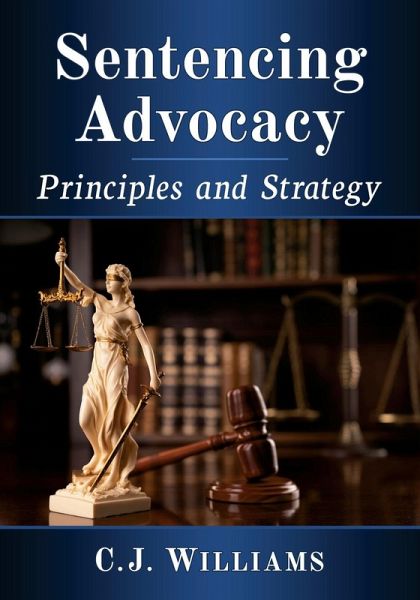
To ensure a fair criminal trial, effective sentencing advocacy is needed in every stage of prosecution, from investigation through plea, trial and sentencing hearings. With fewer criminal cases proceeding to trial, advocacy is increasingly critical for both prosecutors and defense attorneys and can determine whether or not a defendant receives an appropriate sentence. Here is a volume that comprehensively describes the steps to effective sentencing advocacy, addressing not only terms of imprisonment or probation, but fines, forfeiture, restitution and other collateral sentencing consequences.…mehr
To ensure a fair criminal trial, effective sentencing advocacy is needed in every stage of prosecution, from investigation through plea, trial and sentencing hearings. With fewer criminal cases proceeding to trial, advocacy is increasingly critical for both prosecutors and defense attorneys and can determine whether or not a defendant receives an appropriate sentence. Here is a volume that comprehensively describes the steps to effective sentencing advocacy, addressing not only terms of imprisonment or probation, but fines, forfeiture, restitution and other collateral sentencing consequences. It emphasizes approaching sentencing advocacy holistically, treating it as a key component of attorney advocacy in every criminal case. Covering the fundamental sentencing procedures and concepts, it describes where and how attorneys can use advocacy to advance their clients' goals. It also explains aspects of sentencing that otherwise may appear too complex to a novice criminal practitioner. Importantly, this is not a book on sentencing law, although it addresses legal sentencing issues as they pertain to sentencing advocacy. Rather, the focus is on teaching attorneys how to use advocacy to achieve the best sentence for their clients.
The Honorable C.J. Williams is a United States District Court Judge in Cedar Rapids, Iowa, whose three-decade legal career included criminal defense work and more than two decades as a federal prosecutor.
Inhaltsangabe
Table of Contents Acknowledgments Preface 1. The Importance of Effective Sentencing Advocacy 2. Principles of Judicial Advocacy A. Differences in Context B. The Decision-Maker C. Practical Advice for Effective Judicial Advocacy in Sentencing 3. The Goals of Sentencing 4. Statutory and Guidelines Provisions A. Indeterminate Sentencing, Determinate Sentencing, and Advisory Guidelines B. The Interaction Between Statutory and Guidelines Provisions C. Federal Statutory Sentencing Provisions D. Federal Sentencing Guidelines Provisions E. Burdens of Proof in Sentencing F. Summary 5. Scope of a Criminal Sentence 6. Sentencing Advocacy Before Guilt Determination A. Prosecution Investigations and Charging Decisions B. Defense Investigations C. Pretrial Detention or Release D. Post-Offense, Presentence Conduct E. Motions Practice F. Plea Bargaining G. Organizations 7. Stages in the Sentencing Process 8. Drafting of and Objecting to Presentence Investigation Reports A. The Probation Officer's Presentence Investigation B. Drafting of the Presentence Investigation Report C. Reviewing the Draft Presentence Report D. Making Formal Objections to the Draft Presentence Report E. Reviewing the Final Presentence Report 9. Sentencing Memoranda A. Organization B. Tone and Style C. Legal Support D. Requested Relief E. Personal or Confidential Information 10. Preparing for Sentencing Hearings A. Basic Preparation B. Preparation When Offenders Have Pending Charges C. Preparation for Factually-Contested Sentencing Hearings D. Legal Arguments E. Working with Crime Victims 11. Conducting Sentencing Hearings A. Opening of Court and Initial Procedures B. Presentation of Evidence C. Resolution of Guidelines Issues D. Resolution of Fine Issues E. Resolution of Supervised Release Issues F. Resolution of Collateral Consequences Issues G. Victim Impact Statements H. Resolution of Variance Motions and Final Argument on Disposition I. Allocution J. Imposition and Judgment 12. Evidentiary Sentencing Hearings A. Inapplicability of the Federal Rules of Evidence B. Applicability of the Confrontation Clause C. Applicability of the Due Process Clause D. Presentation of Evidence E. Engaging in a Conversation with the Sentencing Judge F. Record on Appeal 13. Departures for Substantial Assistance A. Statutory and Guidelines Provisions B. Unsuccessful Attempted Substantial Assistance C. Secrecy and Security Issues Relating to Substantial Assistance Motions D. Advocacy and Substantial Assistance E. Substantial Assistance After Sentencing 14. Other Departures A. Searching for Departure Grounds B. Departure Case Law C. Interplay Between Departures and Variances D. Marshalling Evidence and Facts to Support or Oppose Departures E. Effective Advocacy For or Against Departures F. The Extent of Departure G. Grounds for Departures 15. Variances A. Variances and Section 3553(a) B. Common Grounds for Variances C. Variances for Other Reasons D. Preserving Grounds to Appeal on Variance Motions 16. Fines A. Statutory Fine Provisions B. Guidelines Fine Provisions C. Constitutional Constraints on Fines D. Advocating For or Against Imposition of Fines 17. Forfeiture A. Constitutional Implications of Forfeiture B. Statutory Provisions C. Rules on Criminal Forfeiture D. Relationship Between Forfeiture, Restitution, and Fines E. Sentencing Advocacy About Forfeiture 18. Restitution A. Constitutionality of Restitution Orders B. Statutory Provisions C. Guidelines Provisions D. Sentencing Advocacy About Restitution 19. Supervised Release A. Statutory Provisions B. Guidelines Provisions C. Court Findings When Imposing Conditions of Supervised Release D. Sentencing Advocacy Relating to Supervised Release 20. Collateral Sentencing Consequences A. The Nature of Adverse Collateral Sentencing Consequences B. Consideration of Collateral Consequences Before Sentencing C. Consideration of Collateral Consequences at Sentencing 21. Argument by Counsel A. Preparing a Sentencing Argument B. Content of Sentencing Arguments C. Style of Sentencing Arguments 22. Victims A. Victim Rights at Sentencing Hearings B. Presentation of Victim Impact Statements C. Court's Ability to Rely on Unsworn Victim Impact Statements D. Advocacy in Reference to Victims 23. Allocution A. Right and Role of Allocution B. Impact of Allocution C. The Decision to Allocute D. Defense Attorneys' Role E. Attorney Comments About Allocution 24. Imposition of Sentence and Judgment A. Attorneys' Responsibilities to Parties at Pronouncement B. Listening to Pronouncement of Sentence C. Comparing the Orally Announced Sentence Against the Written Sentence 25. Challenging Judgment Before Appeal 26. Sentencing Advocacy and the Audience A. Other Audience Members B. Tailoring Advocacy to Account for Other Audience Members 27. Sentencing Organizations A. Statutory Provisions B. Guidelines Provisions C. Fining an Organization D. Forfeiture of Organization Assets E. Restitution and Organizations F. Organizations and Probation G. Advocating Organizational Sentences 28. Advocacy in Supervised Release Revocation Hearings A. Statutory Provisions B. Governing Rules C. Inapplicability of the Federal Rules of Evidence D. Applicability of Due Process and Confrontation Clauses E. Application of 18 U.S.C. § 3553(a) Factors in Revocation Hearings F. The Federal Sentencing Guidelines in Revocation Hearings G. Right of Allocution in Revocation Hearings H. Advocacy at Revocation Hearings 29. Advocacy in Probation Revocation Hearings A. The Law and Rules Governing Probation and Revocation of Probation B. Advocacy in Probation Revocation Hearings C. Early Termination of Probation Conclusion: Final Observations About Sentencing Advocacy Chapter Notes Bibliography Index
Table of Contents Acknowledgments Preface 1. The Importance of Effective Sentencing Advocacy 2. Principles of Judicial Advocacy A. Differences in Context B. The Decision-Maker C. Practical Advice for Effective Judicial Advocacy in Sentencing 3. The Goals of Sentencing 4. Statutory and Guidelines Provisions A. Indeterminate Sentencing, Determinate Sentencing, and Advisory Guidelines B. The Interaction Between Statutory and Guidelines Provisions C. Federal Statutory Sentencing Provisions D. Federal Sentencing Guidelines Provisions E. Burdens of Proof in Sentencing F. Summary 5. Scope of a Criminal Sentence 6. Sentencing Advocacy Before Guilt Determination A. Prosecution Investigations and Charging Decisions B. Defense Investigations C. Pretrial Detention or Release D. Post-Offense, Presentence Conduct E. Motions Practice F. Plea Bargaining G. Organizations 7. Stages in the Sentencing Process 8. Drafting of and Objecting to Presentence Investigation Reports A. The Probation Officer's Presentence Investigation B. Drafting of the Presentence Investigation Report C. Reviewing the Draft Presentence Report D. Making Formal Objections to the Draft Presentence Report E. Reviewing the Final Presentence Report 9. Sentencing Memoranda A. Organization B. Tone and Style C. Legal Support D. Requested Relief E. Personal or Confidential Information 10. Preparing for Sentencing Hearings A. Basic Preparation B. Preparation When Offenders Have Pending Charges C. Preparation for Factually-Contested Sentencing Hearings D. Legal Arguments E. Working with Crime Victims 11. Conducting Sentencing Hearings A. Opening of Court and Initial Procedures B. Presentation of Evidence C. Resolution of Guidelines Issues D. Resolution of Fine Issues E. Resolution of Supervised Release Issues F. Resolution of Collateral Consequences Issues G. Victim Impact Statements H. Resolution of Variance Motions and Final Argument on Disposition I. Allocution J. Imposition and Judgment 12. Evidentiary Sentencing Hearings A. Inapplicability of the Federal Rules of Evidence B. Applicability of the Confrontation Clause C. Applicability of the Due Process Clause D. Presentation of Evidence E. Engaging in a Conversation with the Sentencing Judge F. Record on Appeal 13. Departures for Substantial Assistance A. Statutory and Guidelines Provisions B. Unsuccessful Attempted Substantial Assistance C. Secrecy and Security Issues Relating to Substantial Assistance Motions D. Advocacy and Substantial Assistance E. Substantial Assistance After Sentencing 14. Other Departures A. Searching for Departure Grounds B. Departure Case Law C. Interplay Between Departures and Variances D. Marshalling Evidence and Facts to Support or Oppose Departures E. Effective Advocacy For or Against Departures F. The Extent of Departure G. Grounds for Departures 15. Variances A. Variances and Section 3553(a) B. Common Grounds for Variances C. Variances for Other Reasons D. Preserving Grounds to Appeal on Variance Motions 16. Fines A. Statutory Fine Provisions B. Guidelines Fine Provisions C. Constitutional Constraints on Fines D. Advocating For or Against Imposition of Fines 17. Forfeiture A. Constitutional Implications of Forfeiture B. Statutory Provisions C. Rules on Criminal Forfeiture D. Relationship Between Forfeiture, Restitution, and Fines E. Sentencing Advocacy About Forfeiture 18. Restitution A. Constitutionality of Restitution Orders B. Statutory Provisions C. Guidelines Provisions D. Sentencing Advocacy About Restitution 19. Supervised Release A. Statutory Provisions B. Guidelines Provisions C. Court Findings When Imposing Conditions of Supervised Release D. Sentencing Advocacy Relating to Supervised Release 20. Collateral Sentencing Consequences A. The Nature of Adverse Collateral Sentencing Consequences B. Consideration of Collateral Consequences Before Sentencing C. Consideration of Collateral Consequences at Sentencing 21. Argument by Counsel A. Preparing a Sentencing Argument B. Content of Sentencing Arguments C. Style of Sentencing Arguments 22. Victims A. Victim Rights at Sentencing Hearings B. Presentation of Victim Impact Statements C. Court's Ability to Rely on Unsworn Victim Impact Statements D. Advocacy in Reference to Victims 23. Allocution A. Right and Role of Allocution B. Impact of Allocution C. The Decision to Allocute D. Defense Attorneys' Role E. Attorney Comments About Allocution 24. Imposition of Sentence and Judgment A. Attorneys' Responsibilities to Parties at Pronouncement B. Listening to Pronouncement of Sentence C. Comparing the Orally Announced Sentence Against the Written Sentence 25. Challenging Judgment Before Appeal 26. Sentencing Advocacy and the Audience A. Other Audience Members B. Tailoring Advocacy to Account for Other Audience Members 27. Sentencing Organizations A. Statutory Provisions B. Guidelines Provisions C. Fining an Organization D. Forfeiture of Organization Assets E. Restitution and Organizations F. Organizations and Probation G. Advocating Organizational Sentences 28. Advocacy in Supervised Release Revocation Hearings A. Statutory Provisions B. Governing Rules C. Inapplicability of the Federal Rules of Evidence D. Applicability of Due Process and Confrontation Clauses E. Application of 18 U.S.C. § 3553(a) Factors in Revocation Hearings F. The Federal Sentencing Guidelines in Revocation Hearings G. Right of Allocution in Revocation Hearings H. Advocacy at Revocation Hearings 29. Advocacy in Probation Revocation Hearings A. The Law and Rules Governing Probation and Revocation of Probation B. Advocacy in Probation Revocation Hearings C. Early Termination of Probation Conclusion: Final Observations About Sentencing Advocacy Chapter Notes Bibliography Index
Es gelten unsere Allgemeinen Geschäftsbedingungen: www.buecher.de/agb
Impressum
www.buecher.de ist ein Internetauftritt der buecher.de internetstores GmbH
Geschäftsführung: Monica Sawhney | Roland Kölbl | Günter Hilger
Sitz der Gesellschaft: Batheyer Straße 115 - 117, 58099 Hagen
Postanschrift: Bürgermeister-Wegele-Str. 12, 86167 Augsburg
Amtsgericht Hagen HRB 13257
Steuernummer: 321/5800/1497
USt-IdNr: DE450055826