
Andere Kunden interessierten sich auch für
 The Autobiography of Alice B. Toklas;With an Introduction by Sherwood Anderson21,99 €
 Don Sherwood18,99 €
 The Secret of Charlotte Brontë28,99 €
 Memoirs of Sophia Dorothea, Consort of George 1., Chiefly From the Secret Archives of Hanover, Brunswick, Berlin, and Vienna; Including a Diary of the Conversations of Illustrious Personages of Those Courts ... With Letters and Other Documents37,99 €
 Constance Sherwood40,90 €
 The Secret of Charlotte Brontë19,99 €
 Over the Top10,99 €



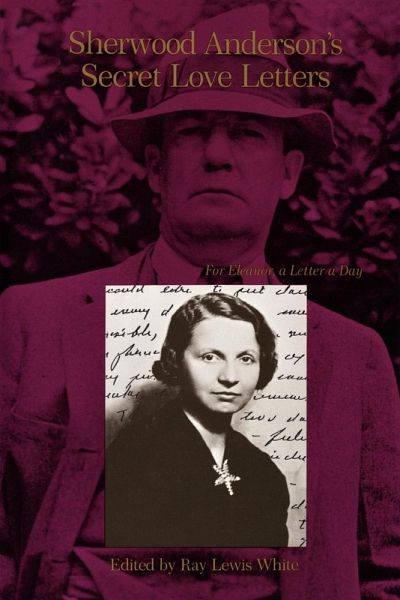
In 1927, tired of the literary life of New York City, New Orleans, and Chicago, a famous but aging American writer named Sherwood Anderson (1876-1941) -- author of Winesburg, Ohio (1919) and other short stories in which he virtually invented the modern American short story -- moved to rural Southwest Virginia to write for and edit two small-town weekly newspapers that he owned, the Marion Democrat and the Smyth County News. Living again among the small-town figures with whom he was usually most content, William Faulkner, Thomas Wolf, and indeed an entire generation of the greatest American writers -- worked for several years at making his newspaper nationally famous while struggling to come to terms with a life-threatening psychological depression and a failing third marriage. Both of Anderson's midlife problems were complicated when he met Eleanor Copenhaver, lovely young daughter in one of the prominent first families of Marion and a career social worker for the YWCA. Trying to keep their ardent affair secret in the small town, Anderson avidly courted the socially prominent and much younger Miss Copenhaver while at the same time trying to free himself from his embittered third wife and overcome the disadvantages of his age and his lover's family's distrust of him. Having by the end of 1931 continued for three years his surreptitious and consuming affair with Miss Copenhaver, Anderson determined on the first day of 1932 that the new year should be the year of decisions for him to gain his love in marriage or perhaps to end his life, and he began the new year with a creative venture unique in literature. Starting on January 1st, Anderson secretly wrote and hid away for Eleanor Copenhaver to find after his eventual death one letter each day, letters that she should someday discover, whether they had ever become married or not, and thereby relive in her memory their days of intense lovemaking a mutual despair about their then-unlikely marriage. Found by Eleanor Copenhaver Anderson only at Sherwood Anderson's death in 1941 and then preserved intact by this grieving widow who had married Anderson in 1933, the carefully hidden letters of 1932 recording their intense and seemingly doomed love affair have remained secret until now. Chosen by Eleanor Copenhaver Anderson before her death in 1985 to publish her husband's secret love letters, Anderson scholar Ray Lewis White has prepared a fascinating edition of these unique letters for the enjoyment of students and scholars of literature as well as for all other readers who savor compelling and inspiring stories of loss and love.