
Andere Kunden interessierten sich auch für
 How College Athletics Are Hurting Girls' Sports24,99 €
 Tiger Style14,99 €
 Uttmark's Guide to the United States Local Inspectors Examination for Masters and Mates of Ocean Going Steam and Sailing Ships30,99 €
 Le Livre De La Chasce30,99 €
 Sporting Sketches36,99 €
 The Book Of The Sailboat;30,99 €
 Boxing37,99 €







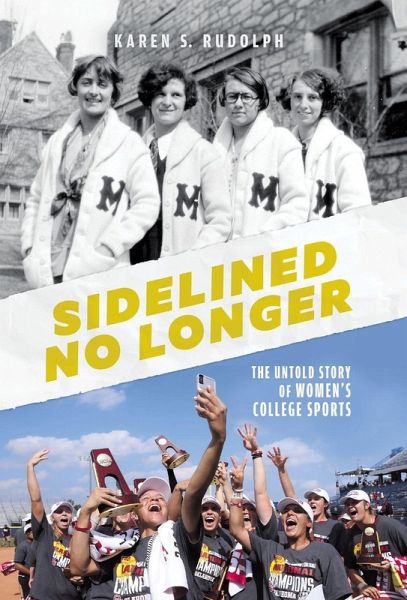
While today's women athletes fill stadiums and arenas and sign multimillion-dollar contracts, the architects of their opportunity remain largely unknown. Sidelined No Longer reveals the fierce battle waged by eleven courageous women administrators in the late 1970s who recognized that the very organizations meant to advance women's athletics were sometimes their greatest obstacle. At the story's center is Jean Cerra, the University of Missouri's visionary women's athletic director. Cerra and her allies at major universities across the country challenged the Association for Intercollegiate Athletics for Women's cautiously limiting vision for women's sports. As traditionalists resisted growth and commercialization, fearing that women's programs would lose their educational focus and distinctive character, Cerra fought for a bold, pragmatic approach that would truly deliver on Title IX's transformative promise of equality, even when it meant making controversial alliances with the male-dominated NCAA. These administrators faced an impossible choice: remain with an underfunded organization committed to their founding principles, or embrace a path toward resources, visibility, and competitive equality that risked compromising their independence. Their passionate debates exposed fundamental questions about women's autonomy, institutional power, and the true meaning of equity. Some saw collaboration with the NCAA as betrayal; others viewed it as the only realistic path forward. The decisions these women made under intense pressure would reshape the landscape of women's athletics forever, though not without lasting consequences and lingering questions about what was gained and what was lost. Author Karen Rudolph masterfully connects these groundbreaking "hidden figures" to today's explosion in women's sports-from Nebraska's record-breaking 92,000 volleyball fans to Angel Reese and Caitlin Clark's professional stardom to the first privately financed women's professional soccer stadium. Through meticulous research, intimate portraits, and compelling storytelling, this essential history illuminates how yesterday's unsung heroes navigated institutional resistance, political pressures, and wrenching internal conflicts to pave the way for today's female athletes to compete, lead, and inspire based on competence "from the neck up" rather than gender stereotypes.