
Andere Kunden interessierten sich auch für
 Soviet Fighters of the Second World War47,99 €
 Battle for the Channel26,99 €
 The Other Ninth Air Force22,99 €
 806 Naval Air Squadron27,99 €
 RAF and Usaaf Airfields in the UK51,99 €
 The USAAF in Suffolk27,99 €
 The Fieseler Fi 156 Storch26,99 €

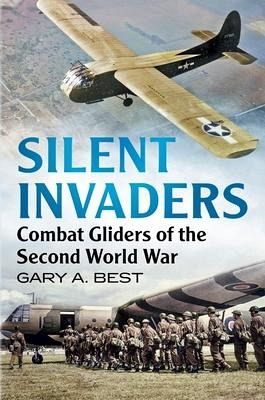
Combat gliders were called by some, "Death Crates," "Purple Heart Boxes," "Flying Coffins," and "Tow Targets." They weren't pretty, they had no graceful lines. Viewed from the front, they had a pug nose and a sloping Neanderthal forehead. Their wings looked like the heavily starched ears of a jackrabbit placed at right angles on a canvas-covered frame. Twice the length of the body, these self-same wings were eighty-four feet in length, 70% as long as the Wright brothers first powered flight at Kitty Hawk. They could not become airborne, let alone fly, unless assisted by an engine-powered tow plane. And for those riding in the back, it was like flying "through the gates of hell." The men who were trained and assigned to guide gliders into battle were said to be the only pilots who had no motors, no armament, no parachutes, and no second chances. Like the aircraft they commanded they were called inglorious names -The bastards nobody wanted; Glider gladiators in wooden chariots; Hybrid jackasses; Glory boys. But if you had any sense at all, you acknowledged that the "G" on the wings insignia pinned to the pilots' uniforms stood for "GUTS."